
Inventory Table View
Showing 181 - 200 out of 1371
Page 10 out of 69
| Image | Name and SKU | Stock | Price | Quantity | |
|---|---|---|---|---|---|
|
|
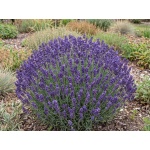 |
Lavandula angustifolia Hidcote is a compact evergreen shrub with fragrant deep violet-purple flower spikes for low hedges, sunny borders, and cutting. ZLAVANHB3.5PT |
9
63269 1 ft – 2 ft 2 ft – 3 ft May, June, July, August Lavandula angustifolia 'Hidcote Blue', LAVANDULA angustifolia 'Hidcote', Lavandula angustifolia Hidcote Blue, Lavandula Hidcote Lamiaceae yes unknown Purple Purple East, South, West Evergreen Bushy, Clump-former, Compact Well Drained Soil Acid, Alkaline, Neutral Full sun, Partial shade Fragrant Dome, Mound-forming, Spreading Flowering borders, Cut flower use, Cottage and informal gardens, Wildlife friendly gardens, Gravel and stone gardens Shrub Bee-Friendly, Cutting Garden, Sensory 2 yes Grow in full sun and sharply drained, low-fertility soil. Water during establishment, then avoid wet roots. Deadhead after flowering and trim lightly in late summer without cutting into old wood. Chalk, Loam, Sand Hidcote English lavender Take softwood cuttings from new growth in early summer or semi-ripe cuttings in late summer. May be affected by rosemary beetle and froghopper nymphs. May be affected by honey fungus, gray mold, lavender shab, fungal leaf spots, or root rot in wet soil. Deadhead after flowering, then trim lightly in late summer to keep the mound compact. Avoid cutting into old wood. Contains toxic compounds and should not be eaten; keep plant material away from pets and grazing animals. Water during establishment, then let the soil drain and dry between waterings. Avoid waterlogged soil, especially in winter. Give full sun; partial shade is tolerated. Hidcote Blue Lavender |
$9.99
|
|
|
|
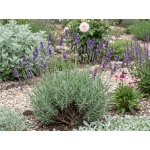 |
Lavandula angustifolia Munstead brings reliable blue-purple fragrance to compact edging, sunny pots, and dry garden borders. ZLAVANM3.5PT |
35
63265 1 ft – 1 ft 2 ft – 3 ft June, July, August LAVANDULA angustifolia 'Munstead', Lavandula angustifolia Munstead Dwarf, Lavandula Dwarf Munstead, Lavandula Munstead Lamiaceae yes no Purple, Blue East, South, West Evergreen Bushy, Compact Well Drained Soil Acid, Alkaline, Neutral Full sun Fragrant Round, Mound-forming Pollinator Garden, Patio and container use, Garden edging and borders, Gravel and stone gardens, Mediterranean gardening Shrub Hedge, Sensory, Pollinator-Friendly 2 yes Chalk, Loam, Sand, Gravelly soil Munstead English Lavender, English Lavender, Lavender Blue-purple fragrant spikes top compact grey foliage., Reliable lavender for edging, pots, and dry borders., Full sun and sharp drainage keep lavender compact. Propagate Lavandula angustifolia Munstead by softwood cuttings in early summer or semi-ripe cuttings in late summer. Seed is suitable for the species when uniform cultivar traits are not required. Rosemary beetle and froghoppers may appear on Lavandula angustifolia Munstead. Most plants stay fairly clean when grown in sun and open air. Grey mould and root rot can affect Lavandula angustifolia Munstead in damp or poorly drained conditions. Honey fungus is also reported but is less common. Deadhead Lavandula angustifolia Munstead after flowering and trim the leafy growth in late summer. Avoid cutting into old woody stems because lavender may not regrow well from bare wood. Lavandula angustifolia Munstead contains fragrant oils that are listed as toxic to dogs, cats, and horses. Eating leaves, flowers, or stems may cause nausea, vomiting, or loss of appetite. Keep soil well drained and water sparingly once established. Plant in full sun for dense growth and stronger scent. Munstead Lavender |
$9.99
|
|
|
|
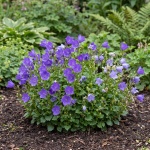 |
Campanula carpatica Pearl Deep Blue deep violet-blue open bells create a saturated color cushion in summer. ZCAMCAPDB6RD |
32
353 5 in – 10 in 10 in – 1 ft June, July, August Campanula carpatica 'Pearl Blue', Campanula carpatica 'Pearl Deep Blue', Campanula carpatica Pristar Deep Blue Campanulaceae no no Purple, Blue East, South, West Semi-evergreen Clump-former, Compact Moist but Well Drained Acid, Neutral Full sun, Partial shade Dome, Mound-forming Patio and container use, Garden edging and borders, Rock and alpine gardens Perennial Bee-Friendly, Edging Plant, Container Planting 1 no Loam, Sand, Gravelly soil Pearl Deep Blue Carpathian bellflower MO23054428, ZCAMCAPDB6RD Sow seed on the surface or divide established clumps in spring. Slugs, snails, aphids, and spider mites may occur. Rust, powdery mildew, Botrytis, and crown rot are possible problems. Deadhead or shear lightly after flowering to maintain a tight mound. Keep soil evenly moist while establishing, then water during extended dry periods without leaving roots waterlogged. Give Campanula carpatica Pearl Deep Blue full sun or partial shade; protect it from avoidable heat or drying wind while roots establish. Pearl Deep Blue Bellflower |
$12.99
|
|
|
|
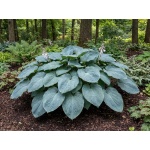 |
Hosta sieboldiana var. elegans forms a bold shade clump of puckered blue-gray leaves with pale bell-shaped summer flowers. ZHOSSIE0001G |
1
60054 2 ft – 2 ft 2 ft – 3 ft June, July Hosta 'Elegans', Hosta Blue Giant, Hosta Elegans, Hosta sieboldiana, Hosta sieboldiana 'Elegans', Hosta sieboldiana Elegans Asparagaceae yes unknown Purple, White East, West, North Deciduous Clump-former Moist but Well Drained Acid, Neutral Full shade, Partial shade, Light shade Round, Mound-forming Woodland Garden, Shade Garden, Flowering borders, Cottage and informal gardens, Underplanting for roses and shrubs Perennial Architectural, Shade Garden, Low maintenance 5 Use fertile humus-rich moist but well-drained soil in sheltered shade; clear dead foliage after dormancy. Clay, Loam Giant Blue Hosta MO23019320, 7937668808755, ZHOSSIE0001G, 201813372, 201813373, 201921090, 201697545, 201813411 Huge puckered blue-gray leaves create bold shade-garden structure., Pale bell flowers rise above a broad, architectural foliage mound., Giant blue foliage for architectural shade planting. Divide established clumps in late summer or early spring. May be affected by slugs, snails, or vine weevil. May be affected by hosta virus or crown rot in poorly drained soil. Remove spent flower stems and clear dead foliage after dormancy. The plant is harmful if eaten; keep it away from pets and children. Keep humus-rich soil evenly moist but well drained throughout growth. Grow in partial or full shade, protected from strong midday sun. Elegans Hosta |
$28.99
|
|
|
|
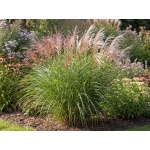 |
Miscanthus sinensis Gracillimus forms a tall arching fountain of narrow silver-midrib leaves beneath copper-to-silver autumn plumes. Z1MISSIG0002G |
16
44474 4 ft – 7 ft 3 ft – 6 ft August, September, October Miscanthus sinensis 'Gracillimus' Poaceae unknown no Purple, Red, White, Brown, Silver Purple, Red White, Brown, Silver South, West Deciduous Clump-former Moist but Well Drained, Well Drained Soil Acid, Alkaline, Neutral Full sun, Partial shade Round, Upright, Arching Flowering borders, Cut flower use, Coastal conditions, Cottage and informal gardens, Wildlife friendly gardens Grass Structural, Cutting Garden, Screen 2 yes Chalk, Clay, Loam, Sand Gracillimus Maiden Grass, Gracillimus Eulalia Grass, Japanese Silver Grass Divide the crown in spring, preferably every three to four years to prevent center dieback. Miscanthus mealybug can stunt growth by living inside stems. Miscanthus blight and leaf rust may attack the blades and sheaths. Leave foliage and plumes standing for winter interest and crown protection, then cut close to the ground in late winter before new shoots appear; remove seedheads where escape is a concern. Maintain medium moisture in fertile soil while ensuring free drainage. Give full sun for the strongest stems and most reliable flowering. Gracillimus Maiden Grass |
$43.99
|
|
|
|
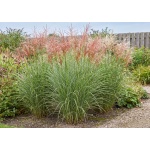 |
Miscanthus sinensis Morning Light forms a compact fountain of white-edged foliage for sunny borders, containers, and small groups. Z1MISSIML0002G |
7
62887 3 ft – 5 ft 2 ft – 3 ft August, September, October Miscanthus Morning Light, Miscanthus sinensis 'Morning Light', Miscanthus sinensis Gracillimus Variegatus Poaceae unknown yes Red, White, Brown, Pink, Silver, Cream Red, Pink White, Silver, Cream East, South, West, North Deciduous Tufted Moist but Well Drained, Well Drained Soil Acid, Alkaline, Neutral Full sun Round, Mound-forming, Upright Urban and courtyard gardens, Flowering borders, Patio and container use, Cottage and informal gardens, Prairie style planting Grass Screen, Low maintenance, Container Planting 2 moderate Grow in full sun in moderately fertile, moist but well-drained soil. Protect from excessive winter wet. Leave foliage standing through winter, then cut it back before new growth begins. Chalk, Clay, Loam, Sand Chinese Silver Grass Morning Light, Eulalia Morning Light, Japanese Silver Grass Morning Light, Maiden Grass Morning Light, Morning Light Eulalia Grass, Morning Light Miscanthus C486, MO23020761, Z1MISSIML0001G, Z1MISSIML0002G, 201945847, 201814691, 201814692, 201708426, 201940987, 202026628, 201713055, 202026664, 202016402, 201927342, 201927365, 201822517 Narrow white-edged leaves give the clump a silvery look., Dense rounded clumps suit borders, containers, and small groups., Grow in full sun in moist but well-drained soil. Divide clumps in spring; established clumps can be difficult to split. Mealybugs may stunt growth. Miscanthus blight and leaf rust may affect the foliage. Cut dead foliage and old flowered stems to the ground in spring. Keep soil moist but well drained, and avoid excessive winter wet. Plant in full sun on any aspect. Morning Light Maiden Grass |
$34.99
|
|
|
|
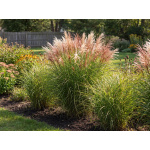 |
A profusely blooming variety; green leaves with a silver midrib form beautiful clumps; gorgeous burgundy plumes in late summer and fades to cream as they persist into winter, adding tremendous interest; great for massing or large containers Z1MISSIHS0002G |
5
Huron Sunrise Maiden Grass 81026 150 cm – 250 cm 50 cm – 100 cm August, September, October, November Miscanthus 'Huron Sunrise', Miscanthus Huron Sunrise, Miscanthus sinensis 'Huron Sunrise' Poaceae yes unknown Red, White, Cream Red White, Cream East, South, West, North Deciduous Bushy Moist but Well Drained, Well Drained Soil Acid, Alkaline, Neutral Full sun Upright Urban and courtyard gardens, Architectural planting, Flowering borders, Patio and container use, Prairie style planting Grass Architectural, Screen, Container Planting 2 yes Choose a sunny site with moderately fertile, well-drained soil. This grass tolerates drought once established. Avoid excessive winter wet. Remove dead foliage and old flower stems in early spring. Chalk, Clay, Loam, Sand 153218, 104413, Z1MISSIHS0001G, Z1MISSIHS0002G, Z1MISSIHS0005G, 1003462, 100-3462, 100-4396, 8GRMHS 111 Full burgundy plumes rise above the leaves in late summer., Use mass plantings for screening., Grow in full sun with moist, well-drained soil. |
$38.99
|
|
|
|
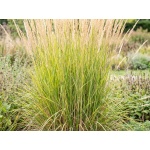 |
Calamagrostis acutiflora Karl Foerster raises slim pink-purple plumes that mature into upright golden columns for fall and winter. Z1CALACKF0002G |
3
65595 3 ft – 5 ft 2 ft – 3 ft June, July, August, September, October, November, December, January, February Poaceae unknown no Brown, Yellow Purple, Pink Purple, Brown, Pink Brown East, South, West Deciduous Columnar upright, Clump-former Wet or Damp Soil, Moist but Well Drained Acid, Alkaline, Neutral Full sun, Partial shade No Column, Upright Architectural planting, Flowering borders, Hedges and screening plants, Prairie style planting, Rain Garden Grass Architectural, Screen, Low maintenance 2 moderate Clay, Loam Karl Foerster Feather Reed Grass, Feather Reed Grass C494, MO23016275, Z1CALACKF0001G, Z1CALACKF0002G, Z1CALACKF0003G, 1004809, 201785761, 202026550, 201713003, 201811270, 201811271, 201811272, 201811273, 201940942 Divide established clumps in mid-spring when fresh shoots are active. Replant firm outer sections promptly and keep the soil moist while roots settle. Serious insect problems are uncommon on Calamagrostis acutiflora Karl Foerster. Aphids may occasionally gather on tender new growth when plants are stressed. Rust can appear after long periods of rainy weather. Open spacing and soil-level watering help the narrow leaves dry more quickly. Leave the upright stems for fall and winter structure. Cut the entire clump to the ground in late winter before new spring shoots appear. Keep soil evenly moist, especially during establishment and summer heat. Grow in full sun for the strongest upright stems and fullest plumes. Karl Foerster Reed Grass |
$32.99
|
|
|
|
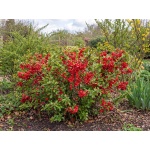 |
A smaller shrub featuring brilliant hot red flowers in spring, a profuse bloomer; a single-season plant; one of the best varieties for flowering effect, good choice for general garden use CHASPTS0403G |
17
Texas Scarlet Flowering Quince 45306 3 ft – 5 ft 3 ft – 5 ft March, April Chaenomeles * superba Texas Scarlet, Chaenomeles speciosa 'Texas Scarlet', Chaenomeles superba 'Texas Scarlet', Chaenomeles Texas Scarlet Rosaceae yes unknown Red Red East, South, West, North Deciduous Bushy, Compact, Suckering Moist but Well Drained, Well Drained Soil Acid, Alkaline, Neutral Full sun, Partial shade Round, Spreading Urban and courtyard gardens, Flowering borders, Cottage and informal gardens, Wildlife friendly gardens, Climbers and wall shrubs Shrub Hedge, Pollinator-Friendly, Edible 5 yes Chalk, Clay, Loam, Sand Texas Scarlet Flowering Quince MO23002062, CHASPGG0002G, CHASPTS0403G, 201994026, 201653962, 201909743 |
$54.99
|
|
|
|
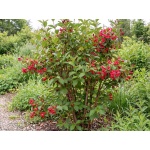 |
Weigela Red Prince is a compact bushy deciduous shrub with green leaves and abundant bright red to dark pink funnel-shaped flowers that attract pollinators. WEIFLRP0003G |
11
12404 3 ft – 5 ft 3 ft – 5 ft April, May, June, August, September Weigela 'Red Prince', Weigela florida 'Red Prince', Weigela Florida Red Prince Caprifoliaceae unknown no Red Red, Pink Red, Pink East, South, West, North Deciduous Bushy Moist but Well Drained, Well Drained Soil Acid, Alkaline, Neutral Full shade, Full sun, Partial shade Oval Flowering borders, Hedges and screening plants, Coastal conditions, Cottage and informal gardens, Wildlife friendly gardens Shrub Hedge, Screen, Pollinator-Friendly 10 yes Chalk, Clay, Loam, Sand Red Prince Weigela, Red Prince Flowering Weigela Propagate by softwood cuttings in early summer, semi-hardwood cuttings in summer, or hardwood cuttings in late autumn and winter. Leaf and bud eelworms, capsid bug and brown scale may occur. Honey fungus may occur. Prune immediately after flowering; remove damaged growth and rejuvenate old shrubs gradually. Water regularly to establish, then deeply during prolonged dry spells. Grow in full sun or partial shade for the strongest flowering. Red Prince Weigela |
$49.99
|
|
|
|
 |
A versatile and trouble-free landscape shrub; features showy white "bottle-brush" flowers in spring on bare branches, blue-green summer foliage, vivid fall colors and an upright mounded habit of growth, prefers light acidic soils; a choice garden plant | Plant Form: round | Hardiness Zone: 6 | Grow Height : 6 feet | Grow Spread : 5 feet | SunLight Requirement: full sun to partial shade | Moisture Requirement: moist | Flowering Period: in mid spring | Fall Color: orange | Landscape Application: Massing;Screening;Garden FOTGAMA0002G |
6
Fothergilla gardenii Mount Airy |
$54.99
|
|
|
|
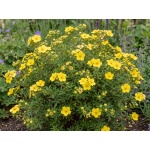 |
Goldfinger shrubby cinquefoil is a bushy deciduous shrub with fine green leaves and a long display of large, bright golden-yellow flowers. POTFRG0003G |
7
75587 3 ft – 5 ft 2 ft – 3 ft June, July, August, September Dasiphora fruticosa Goldfinger, Potentilla fruticosa 'Goldfinger', Pottentilla Goldfinger Rosaceae unknown unknown Yellow Yellow Yellow East, South, West, North Deciduous Bushy Well Drained Soil Acid, Alkaline, Neutral Full sun Upright Banks and slopes, Pollinator Garden, Flowering borders, Hedges and screening plants, Coastal conditions Shrub Hedge, Low maintenance, Pollinator-Friendly 5 yes Chalk, Loam, Sand Goldfinger shrubby cinquefoil, Goldfinger bush cinquefoil Large golden-yellow flowers continue from late spring into autumn., The tough bushy shrub tolerates drought, salt, and exposed sites., Sun and free drainage sustain its long golden flower display. Take softwood cuttings in early summer and keep the cuttings moist while they root. Generally pest-free. May be susceptible to honey fungus. Prune lightly after flowering to keep the shrub tidy. Water deeply in the first season; reduce watering once established. Grow in full sun or partial shade. Goldfinger Potentilla |
$49.99
|
|
|
|
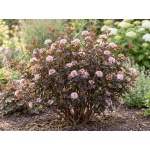 |
This stunning garden shrub is a significantly more compact variety; foliage emerges a wine-red and matures to a deep reddish-purple, contrasting the showy white flowers in spring PHYOPTW0003 |
1
Physocarpus opulifolius Tiny Wine Ninebark 76400 3 ft – 5 ft 3 ft – 4 ft May, June Physocarpus opulifolius Smpotw, Physocarpus opulifolius SMPOTW (Tiny Wine), Physocarpus opulifolius Tini Vine, Physocarpus opulifolius Tiny Wine Rosaceae unknown no White, Pink White, Pink East, South, West Deciduous Bushy, Compact, Suckering Moist but Well Drained, Well Drained Soil Acid, Neutral Full sun, Partial shade Fragrant Light Round, Mound-forming, Upright Pollinator Garden, Urban and courtyard gardens, Flowering borders, Patio and container use, Cottage and informal gardens Shrub Low maintenance, Pollinator-Friendly, Container Planting 5 moderate Clay, Loam, Sand Tiny Wine Ninebark, Dwarf Eastern Ninebark MO23052466, 201993992, 201844574 |
$72.99
|
|
|
|
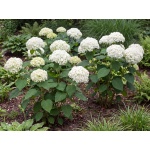 |
Hydrangea arborescens Abetwo is a sturdy deciduous shrub with huge rounded white flower heads that open green and remain upright on strong stems. HYDARI0003G |
1
76368 4 ft – 5 ft 4 ft – 5 ft June, July, August Hydrangea arborescens 'Abetwo', Hydrangea arborescens Abetwo (Strong Annabelle), Hydrangea arborescens Incrediball, Hydrangea arborescens Strong Annabelle Hydrangeaceae yes no Green Green, White, Cream East, South, West, North Deciduous Bushy Moist but Well Drained, Well Drained Soil Acid, Neutral Full sun, Partial shade Fragrant Light Mound-forming Urban and courtyard gardens, Flowering borders, Cut flower use, Hedges and screening plants, Cottage and informal gardens Shrub Hedge, Cutting Garden, Low maintenance 10 Clay, Loam, Sand Incrediball smooth hydrangea, Strong Annabelle hydrangea MO23051080, HYDARI0003G, HYDARISP002G, 15429, 201646231, 118729, 201813435, 201813436, 201958530, 202066469, 201891025, 201660179, 201891024, 201967108, 202023724, 201631271 Take softwood cuttings. May be susceptible to aphids, capsid bugs, hydrangea scale, and vine weevil. May be susceptible to leaf spot, powdery mildew, gray mold, and honey fungus. Cut the shrub back by about one-third in early spring as new growth begins. May irritate skin and is harmful if eaten by pets. Wear gloves when handling and keep it away from pets. Keep soil moist but well drained, especially during dry spells. Grow in full sun or partial shade; provide more shade in hot regions. Hydrangea arborescens Incrediball |
$74.99
|
|
|
|
|
Cherry Bomb Japanese Barberry BERTHCB0002G |
2
Berberis thunbergii Cherry Bomb |
$54.99
|
|
|
|
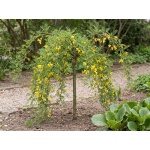 |
Caragana arborescens Walker forms a fine-textured, strongly weeping focal point with light green foliage and yellow spring flowers. CARARW0007G-STD |
11
76344 5 ft – 5 ft 2 ft – 2 ft May, June Caragana arborescens 'Walker' -Standard, Caragana arborescens Walker stem, Caragana arborescens Walkeri Fabaceae unknown unknown Yellow Yellow South, West Deciduous Pendulous Well Drained Soil Neutral Full sun, Partial shade Fragrant Light Weeping Low maintenance planting, Architectural planting, Flowering borders, Rock and alpine gardens Shrub Architectural, Low maintenance 5 yes Plant the grafted standard in full sun or partial shade in well-drained soil. Avoid high-pH ground and strong weed competition around the roots. Remove shoots that emerge below the graft. All types Walker Weeping Caragana, Walker Weeping Peashrub 121434, 121433, 121435, 117861, 104578, 104577, 121436, 104579, CARARW0007G-STD, 202048849 Finely cut foliage hangs from a strongly weeping crown., Its compact standard form makes a clear garden focal point., Grow in full sun or partial shade in well-drained soil. Propagate Walker by grafting it onto Caragana arborescens seedlings. Aphids, spider mites, blister beetles, and grasshoppers may damage the foliage. Leaf spot may occur, while wet soil can lead to root rot. Remove shoots and suckers below the graft in late winter or early spring. Water deeply, then let well-drained soil dry before watering again. Plant in full sun or partial shade in well-drained soil. Walker Weeping Peashrub |
$219.99
|
|
|
|
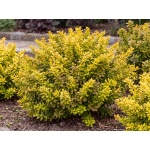 |
Berberis thunbergii Monry is a dense upright deciduous shrub with golden foliage, warm orange fall color, modest yellow spring flowers, and sharp barbs. BERTHS0003G |
8
69289 3 ft – 4 ft 4 ft – 4 ft May, June Berberis thunbergii 'Sunsation', Berberis thunbergii Monry Sunsation, Berberis thunbergii Sunsation Berberidaceae yes no Yellow East, South, West, North Deciduous Bushy, Compact Moist but Well Drained, Well Drained Soil Acid, Alkaline, Neutral Full sun, Partial shade Upright Urban and courtyard gardens, Wall and boundary borders, Hedges and screening plants, Garden edging and borders Shrub Hedge, Screen, Low maintenance 10 moderate All types Sunsation Barberry, Golden Japanese Barberry BERTHS0003G, 100-5316, 100-5652 Golden foliage develops a warm orange cast in fall., Dense upright growth brings bright color to low hedges and borders., Grow in sun or part shade in average, well-drained soil; avoid wet sites. In Canada, asexual propagation remains restricted by plant breeders' rights through May 15, 2027. Aphids may occur. Powdery mildew may occur. Prune annually in late winter to shape; light spring pruning can remove damaged growth. Sharp barbs are present on the stems; wear gloves when handling. Water deeply the first season; later water when the top 3 inches are dry. Grow in full sun or partial shade; full sun strengthens golden color. Sunsation Japanese Barberry |
$74.99
|
|
|
|
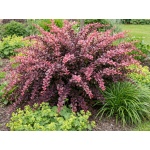 |
Berberis thunbergii f. atropurpurea Rose Glow forms a dense, rounded hedge or border shrub with pink-and-white-mottled purple foliage and bright red fall berries. BERTHARG0003G |
8
69280 3 ft – 5 ft 3 ft – 5 ft Berberis Rose Glow, Berberis thunbergii 'Rose Glow', Berberis thunbergii atropurpurea Rose Glow, Berberis thunbergii Rose Glow, Berberis thunbergii var. atropurpurea Rose Glow Berberidaceae yes yes Yellow East, West, North Deciduous Bushy, Compact Moist but Well Drained, Well Drained Soil Acid, Alkaline, Neutral Full sun, Partial shade Round Urban and courtyard gardens, Flowering borders, Hedges and screening plants, Cottage and informal gardens, Wildlife friendly gardens Shrub Hedge, Bird-Friendly, Pollinator-Friendly 10 yes Chalk, Clay, Loam, Sand Japanese Barberry, Rose Glow Barberry Pink-and-white-mottled spring foliage matures to deep purple., Dense spiny branching forms a hedge or protective garden barrier., Full sun and well-drained soil produce the strongest foliage color. Propagate with softwood or semi-hardwood cuttings in summer. Watch for aphids and berberis sawfly. Watch for powdery mildew and occasional honey fungus. Trim hedges after flowering. The stems bear sharp spines, and the ornamental fruit should not be eaten; wear gloves when handling the plant. Water regularly while establishing, then reduce frequency. Grow in full sun or partial shade; full sun gives the best color. Rose Glow Japanese Barberry |
$69.99
|
|
|
|
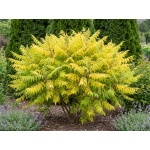 |
Rhus typhina Bailtiger brings chartreuse-to-yellow cut foliage and a compact, rounded frame to sunny borders, mass plantings, and patio containers. RHUTYB0003G |
4
76411 6 ft – 6 ft 6 ft – 6 ft June, July, August Rhus typhina 'Bailtiger', Rhus typhina Bailtiger (Tiger Eyes), Rhus typhina laciniata Tiger Eyes, Rhus typhina Tiger Eyes, Rhus Typhina Tiger Eyes Bailtiger Anacardiaceae yes unknown Green, Yellow East, South, West Deciduous Compact, Suckering Moist but Well Drained Acid, Alkaline, Neutral Full sun Round, Upright, Spreading Urban and courtyard gardens, Architectural planting, Flowering borders, Patio and container use, Cottage and informal gardens Shrub Architectural, Deer resistant, Container Planting 10 yes Chalk, Clay, Loam, Sand Tiger Eyes Cutleaf Staghorn Sumac, Tiger Eyes Staghorn Sumac, Bailtiger Sumac Chartreuse new growth quickly turns bright yellow., Compact growth suits focal points, mass plantings, and large pots., Full sun and moist, well-drained soil support the brightest foliage. Take semi-ripe cuttings in summer or root cuttings in winter. Usually pest-free. Watch for honey fungus, coral spot, and Verticillium wilt. In late winter or early spring, remove dead or damaged branches and cut up to one-third of the oldest stems at the base. The sap may irritate sensitive skin; wear gloves when pruning. Water to keep the soil moist but well drained. Grow in full sun for the strongest foliage and fall color. Tiger Eyes® Sumac |
$87.99
|
|
|
|
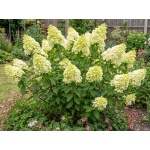 |
Hydrangea paniculata Limelight builds a full-size upright border shrub, with pale lime-green summer panicles that turn creamy white and mature pink-green. HYDPAL0007G-STD |
3
63613 5 ft – 8 ft 5 ft – 8 ft July, August, September, October Hydrangea pan Limelight, Hydrangea paniculata 'Limelight', Hydrangea paniculata 'Limelight' PBR, Hydrangea paniculata Zwijnenburg Hydrangeaceae yes unknown Green, Pink Green, White, Pink, Cream East, South, West, North Deciduous Bushy Moist but Well Drained, Well Drained Soil Acid, Alkaline, Neutral Full sun, Partial shade Round, Upright Low maintenance planting, Urban and courtyard gardens, Flowering borders, Coastal conditions, Cottage and informal gardens Shrub Hedge, Cutting Garden, Low maintenance 5 moderate Clay, Loam, Sand Limelight Hydrangea Pale lime panicles mature through creamy white to pink-green., Strong stems support flowers for cutting and drying., Give full sun or partial shade with moist, well-drained soil. Propagate by softwood cuttings in early summer or hardwood cuttings in winter. Aphids, capsid bugs, hydrangea scale, and vine weevils may occur. Leaf spot, powdery mildew, gray mold, and honey fungus may occur. Prune the stems in late winter or spring. It can cause a skin allergy and is harmful if eaten by dogs and cats; it is also listed as a problem for horses. Keep the soil moist but well drained, especially in full sun. Grow in full sun or partial shade on any listed aspect. Limelight Hydrangea |
$379.99
|
|