
Carpinus caroliniana
$329.99
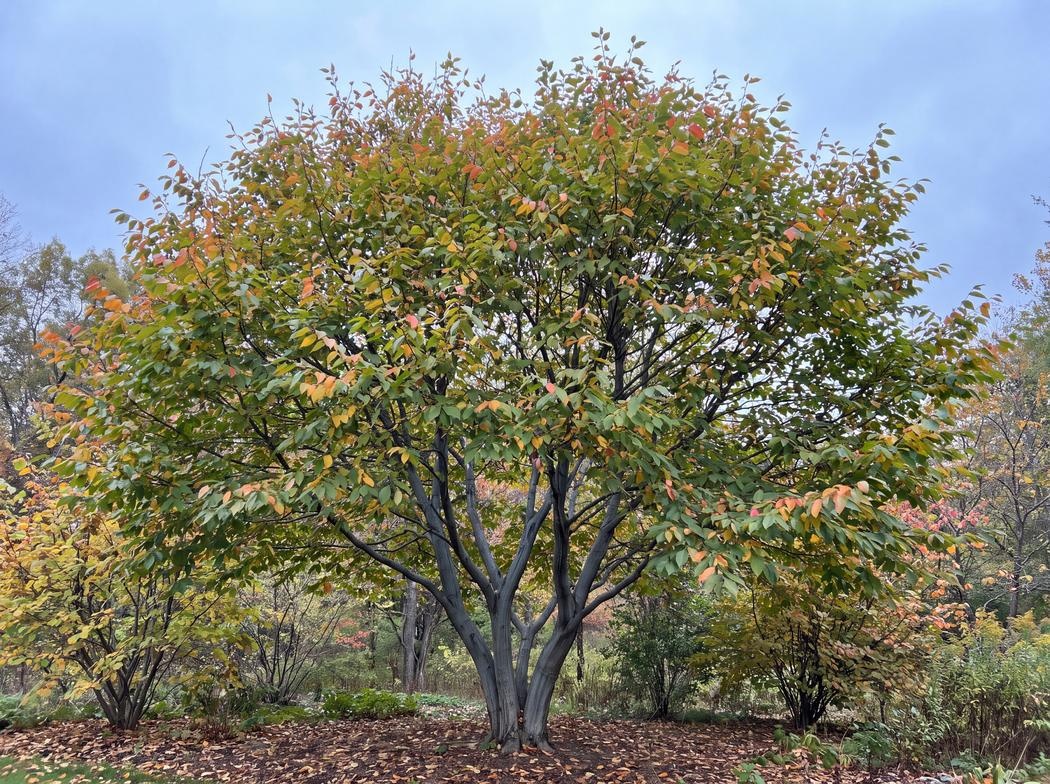
Carpinus caroliniana brings fluted blue-gray bark and vivid fall color to shaded woodland, rain-garden, and naturalized settings.
- Description
- Additional information
Description
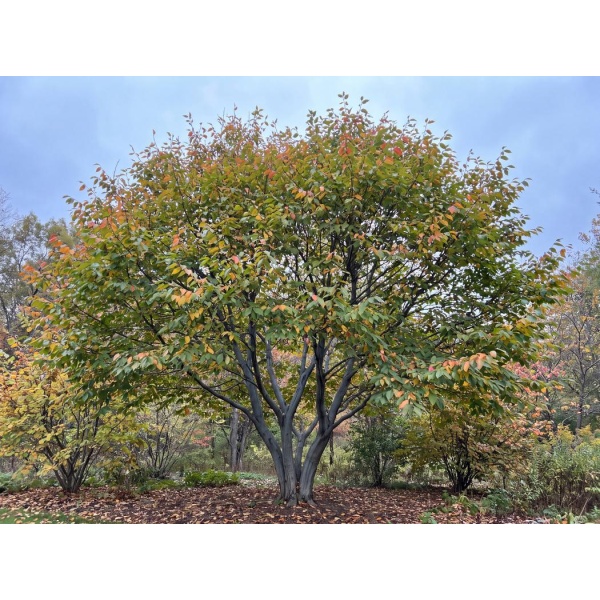
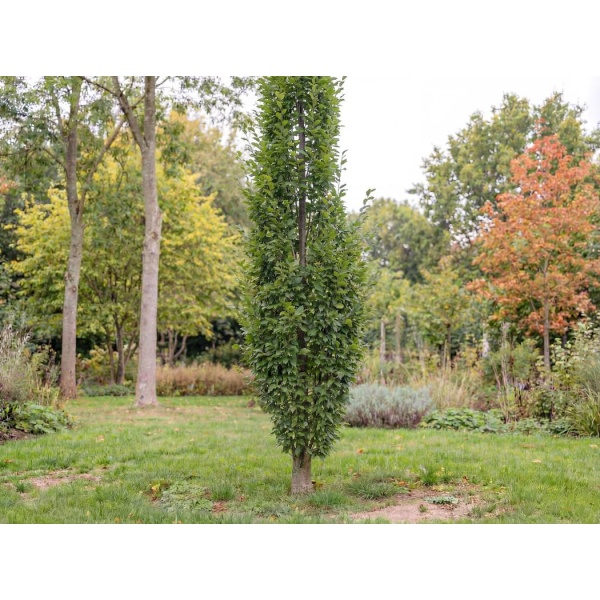
Fluted blue-gray bark gives Carpinus caroliniana a muscular silhouette, while green summer leaves shift through yellow, orange, and red in fall. This slow-growing native tree develops a rounded, often multi-stemmed crown.
American hornbeam fits woodland, shade, rain-garden, streamside, and naturalized planting. It grows from full sun into full shade but performs best where fertile soil stays moist and drains well.
Water regularly through establishment and during dry periods. Mulch the root zone to conserve moisture, and fertilize only when soil testing identifies a need. American hornbeam pollen can trigger inhalant allergy in sensitized people.
Additional information
| Height | 20 ft – 35 ft |
|---|---|
| Spread | 20 ft – 35 ft |
| Flowering months | February, March, April, May |
| Synonyms | Carpinus americana, Carpinus betulus var. caroliniana, Carpinus caroliniana var. caroliniana |
| Family | Betulaceae |
| Hazardous | yes |
| Variegated | unknown |
| Color flower spring | Green, White, Yellow |
| Aspect | East, South, West, North |
| Foliage | Deciduous |
| Habit | Bushy, Clump-former |
| Moisture | Wet or Damp Soil, Moist but Well Drained |
| Ph | Acid, Alkaline, Neutral |
| Position | Full shade, Full sun, Partial shade |
| Shape | Oval, Round, Spreading |
| Suggest planting location | Woodland Garden, Shade Garden, Wildlife friendly gardens, Rain Garden, Streamside |
| Type | Tree |
| Use for | Bird-Friendly, Naturalizing, Shade Garden |
| Years to max height | more than 50 |
| Drought resistance | no |
| Soil | Chalk, Clay, Loam, Sand |
| Local names | American Hornbeam, Blue Beech, Ironwood, Musclewood, Water Beech |
| Blomidon Item No | 135370, 153248, CARCA045WB, CARCA050WB, CARCAR0020016G |
| Propagation | Propagate by seed, softwood cuttings, or grafting. |
| Pests | Caterpillars and aphids may occur. |
| Diseases | Powdery mildew, coral spot, honey fungus, leaf spots, cankers, and twig blight may occur. |
| Pruning | Remove dead, damaged, diseased, or crossing branches while dormant. |
| Hazardous information | American hornbeam pollen can trigger inhalant allergy in sensitized people. |
| Watering instructions | Keep soil moist and water regularly during establishment and drought. |
| Sunlight instructions | Grow in full sun, partial shade, or full shade on any aspect. |
| Common Name | American Hornbeam |