
Salix purpurea Nana
$49.99
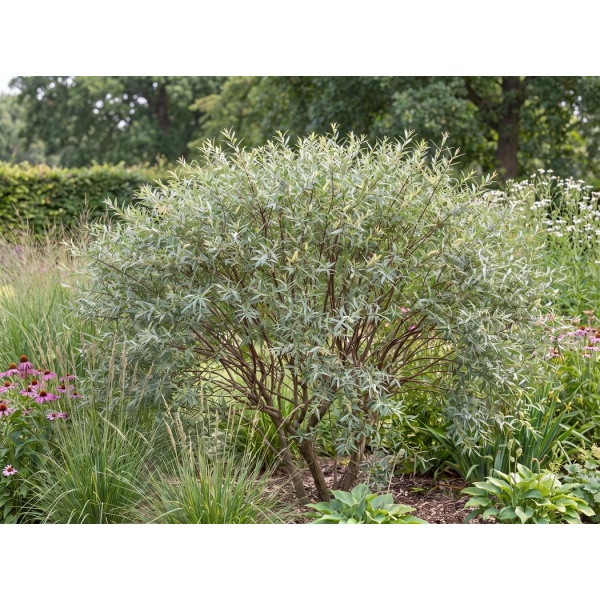
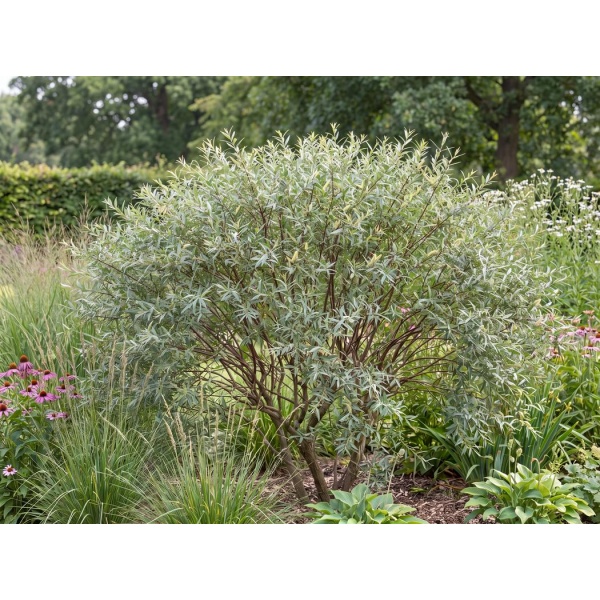
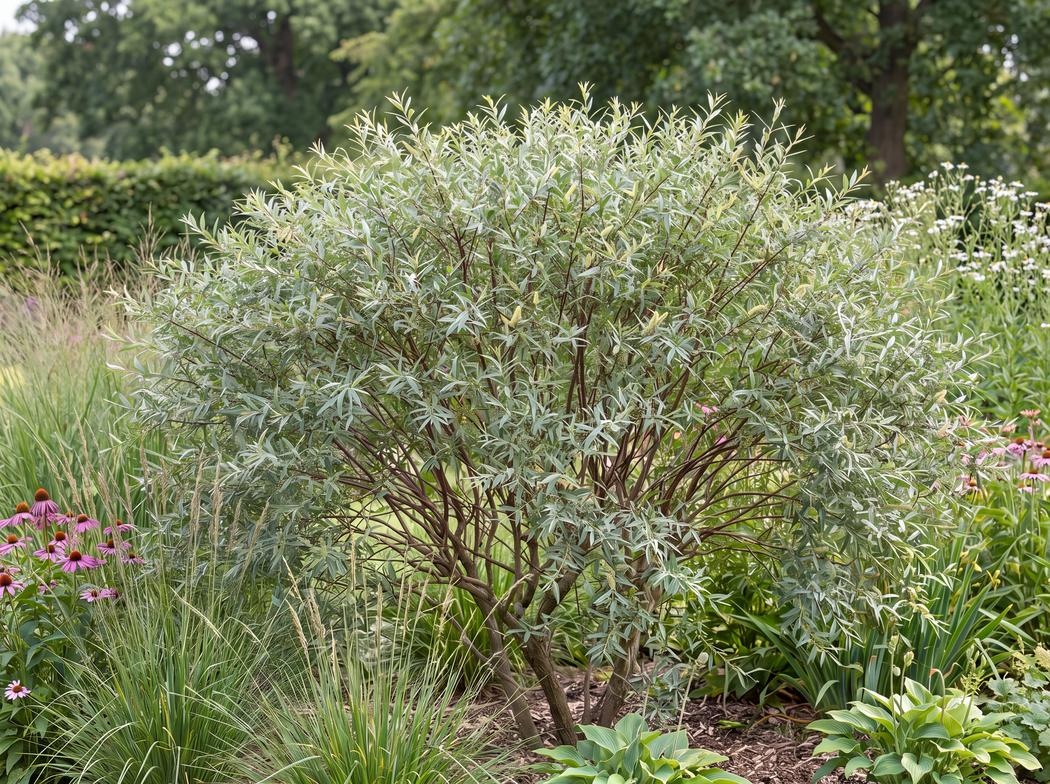
A beautiful and popular garden shrub with fine foliage, fine whip-like branches and a consistent, rounded habit of growth; quite hardy, takes pruning well; use for its form and texture to create interest in the garden
- Description
- Additional information
Description
A beautiful and popular garden shrub with fine foliage, fine whip-like branches and a consistent, rounded habit of growth; quite hardy, takes pruning well; use for its form and texture to create interest in the garden
Dwarf Arctic Willow is a multi-stemmed deciduous shrub with a more or less rounded form. Its relatively fine texture sets it apart from other landscape plants with less refined foliage.
This shrub will require occasional maintenance and upkeep, and is best pruned in late winter once the threat of extreme cold has passed. It has no significant negative characteristics.
Dwarf Arctic Willow has bluish-green deciduous foliage on a plant with a round habit of growth. The narrow leaves turn yellow in fall. The smooth bark and deep purple branches add an interesting dimension to the landscape.
Dwarf Arctic Willow will grow to be about 4 feet tall at maturity, with a spread of 5 feet. It tends to fill out right to the ground and therefore doesn’t necessarily require facer plants in front. It grows at a fast rate, and under ideal conditions can be expected to live for 40 years or more.
This shrub should only be grown in full sunlight. It is an amazingly adaptable plant, tolerating both dry conditions and even some standing water. It is not particular as to soil type or pH. It is highly tolerant of urban pollution and will even thrive in inner city environments. This is a selected variety of a species not originally from North America.
Additional information
| Common Name | Dwarf Arctic Willow |
|---|---|
| Height | 13 ft – 26 ft |
| Spread | 8 ft – 13 ft |
| Flowering months | April, May |
| Synonyms | Knafia purpurea, Salix helix var. purpurea, Salix monandra, Salix monandra var. purpurea, Salix purpurea 'Nana', Vetrix purpurea |
| Family | Salicaceae |
| Hazardous | unknown |
| Variegated | unknown |
| Color flower spring | Purple, White, Yellow, Orange, Gray |
| Aspect | East, South, West, North |
| Foliage | Deciduous |
| Habit | Bushy, Suckering |
| Moisture | Wet or Damp Soil, Moist but Well Drained |
| Ph | Acid, Alkaline, Neutral |
| Position | Full sun, Partial shade |
| Shape | Round, Spreading, Arching |
| Suggest planting location | Hedges and screening plants, Coastal conditions, Wildlife friendly gardens, Rain Garden, Streamside |
| Type | Shrub |
| Use for | Hedge, Pollinator-Friendly, Erosion Control |
| Years to max height | 10 |
| Cultivation | Set the shrub in full sun or partial shade and keep the soil moist. Clay, loam, and sand are suitable. Catkins usually open during April and May. |
| Soil | Clay, Loam, Sand |
| Local names | Purpleosier Willow, Basket Willow, Purple Willow, Purple Osier Willow, Alaska Blue Willow |
| Blomidon Item No | 120266, 119906, 120271, 120268, 120269, 120272, 109431, 106641, 117868, 110677, 104744, 115787, 110791, 114255, 104250, 104252, 104251, 109219, MO23010691, 201816796, 201832117 |
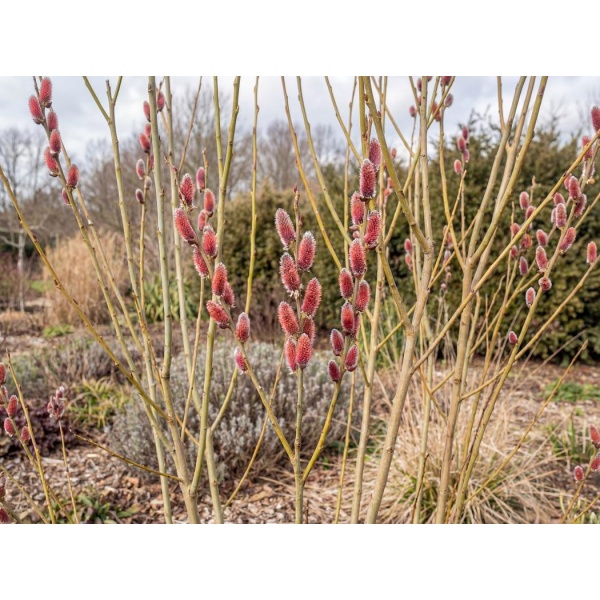
| Usps | Purple young stems carry slender silvery catkins in early spring., Suckering roots help stabilize moist streambanks., Grow in full sun or partial shade with moist to wet soil. |