
Dicentra spectabilis Valentine
$21.99
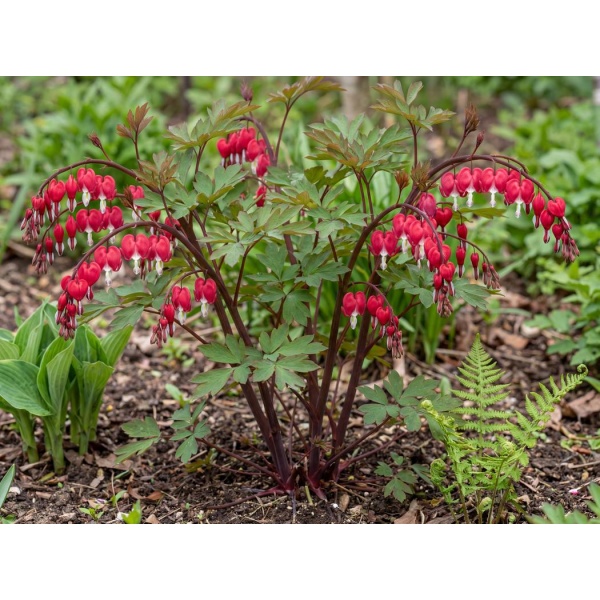
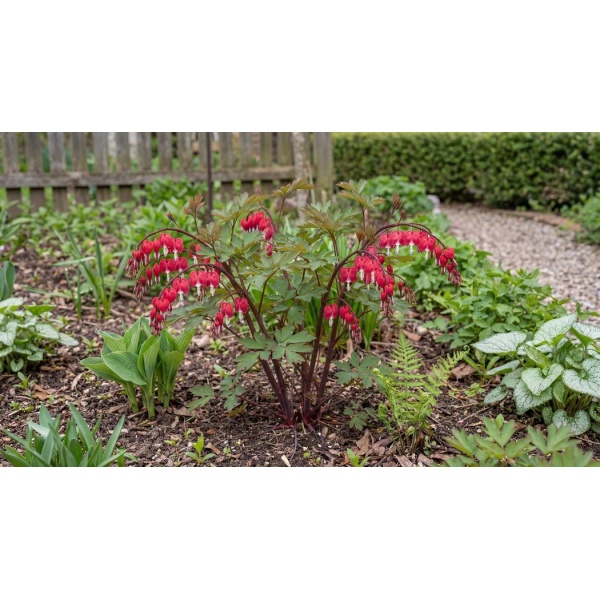
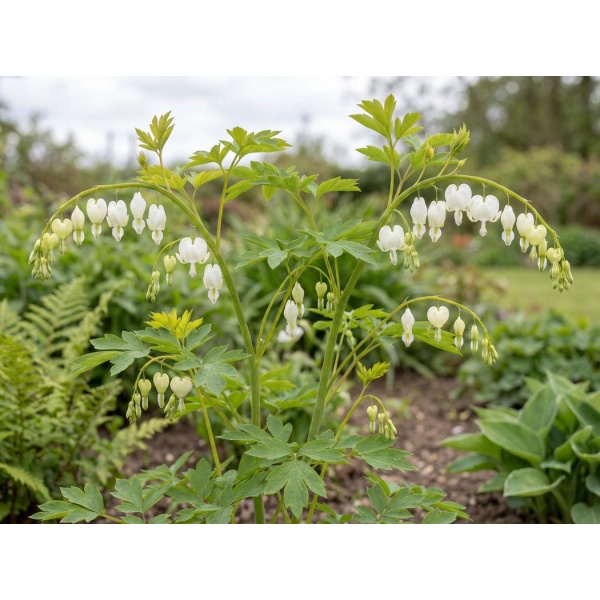
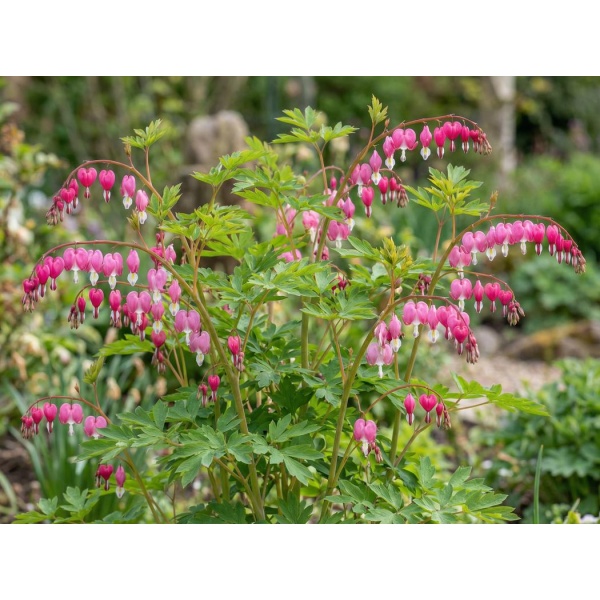
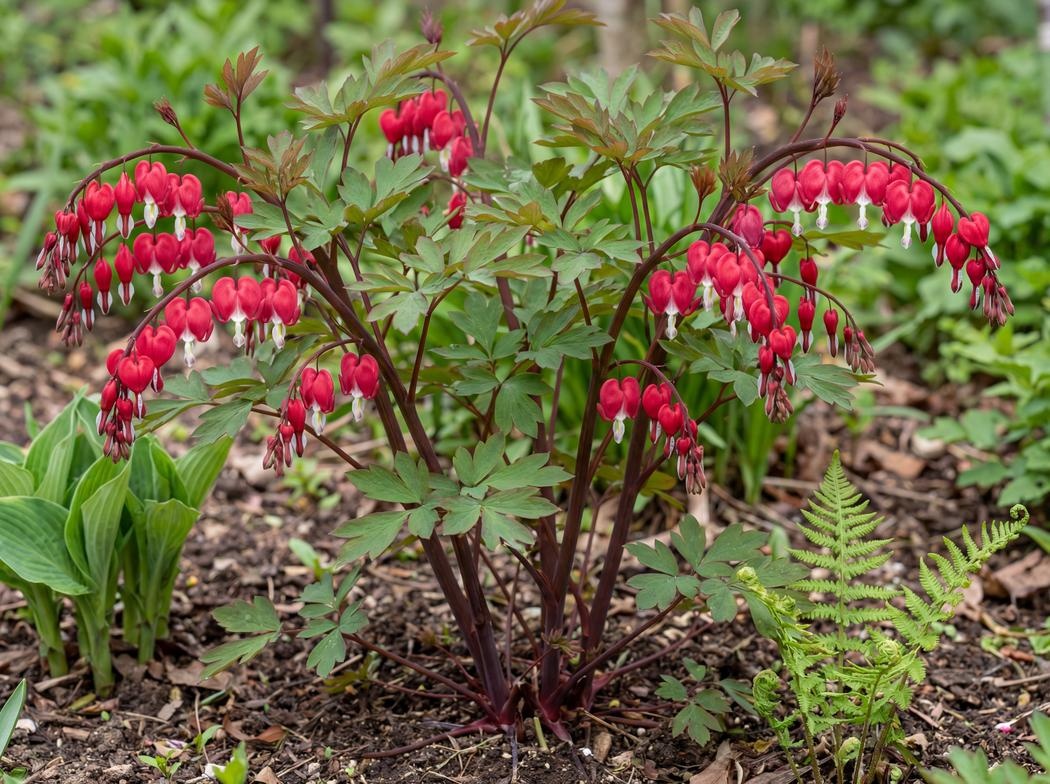
Lamprocapnos spectabilis Valentine carries vivid red and white hearts on arching stems, bringing a deer-resistant spring display to shaded borders.
- Description
- Additional information
Description
Vivid red and white heart-shaped flowers hang from arching red stems above green foliage on Lamprocapnos spectabilis Valentine in late spring. This clump-forming perennial suits shaded borders, cottage gardens, and outdoor containers. Cut stems last about two weeks in a fresh bouquet.
Plant it in partial shade and moist, fertile, humus-rich soil with good drainage. Add compost at planting, water regularly through the growing season, and tidy the plant after the foliage dies back.
All parts may cause stomach upset if eaten, and the foliage may aggravate skin allergies.
Additional information
| Height | 2 ft – 3 ft |
|---|---|
| Spread | 2 ft – 3 ft |
| Flowering months | May, June |
| Family | Papaveraceae |
| Hazardous | yes |
| Variegated | unknown |
| Color flower spring | Red, White |
| Aspect | East, West, North |
| Foliage | Deciduous |
| Habit | Clump-former |
| Moisture | Moist but Well Drained |
| Ph | Acid, Alkaline, Neutral |
| Position | Partial shade |
| Shape | Mound-forming |
| Suggest planting location | Woodland Garden, Shade Garden, Urban and courtyard gardens, Flowering borders, Cottage and informal gardens |
| Type | Perennial |
| Use for | Deer resistant, Rabbit resistant, Butterfly-Friendly |
| Years to max height | 2 |
| Soil | Chalk, Clay, Loam, Sand |
| Local names | Valentine Bleeding Heart |
| Blomidon Item No | 7937663729715, ZDICSPV0001G, 201832531, 201784540, 201938066 |
| Usps | Vivid red and white hearts hang from dark wine-red arching stems., Its spring display brings strong color to sheltered shade borders., Partial shade and moist, drained soil sustain the spring display. |
| Cultivation | Plant in sheltered partial shade in moist, fertile, humus-rich soil with good drainage. Divide in early spring or after foliage dies back, and tidy the clump after flowering. |
| Propagation | Divide in early spring or after the foliage dies back, or take root cuttings in winter. |
| Pests | Generally pest-free. |
| Diseases | Generally disease-free. |
| Pruning | No pruning is required; tidy the plant after flowering as the foliage dies back. |
| Hazardous information | All parts may cause stomach upset if eaten, and the foliage may aggravate skin allergies. |
| Watering instructions | Keep the soil evenly moist but well drained during active growth. |
| Sunlight instructions | Grow in partial shade with eastern, northern, or western exposure. |
| Color flower summer | Red, White |
| Common Name | Common Bleeding Heart |