
Achillea millefolium ‘Pomegranate’
$29.99
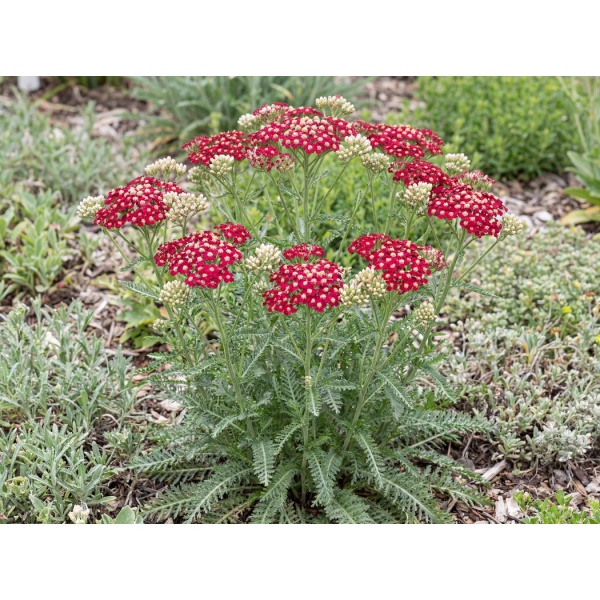
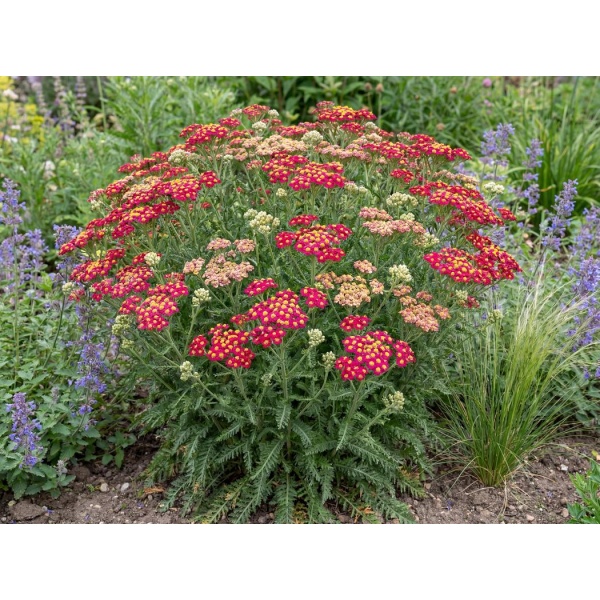
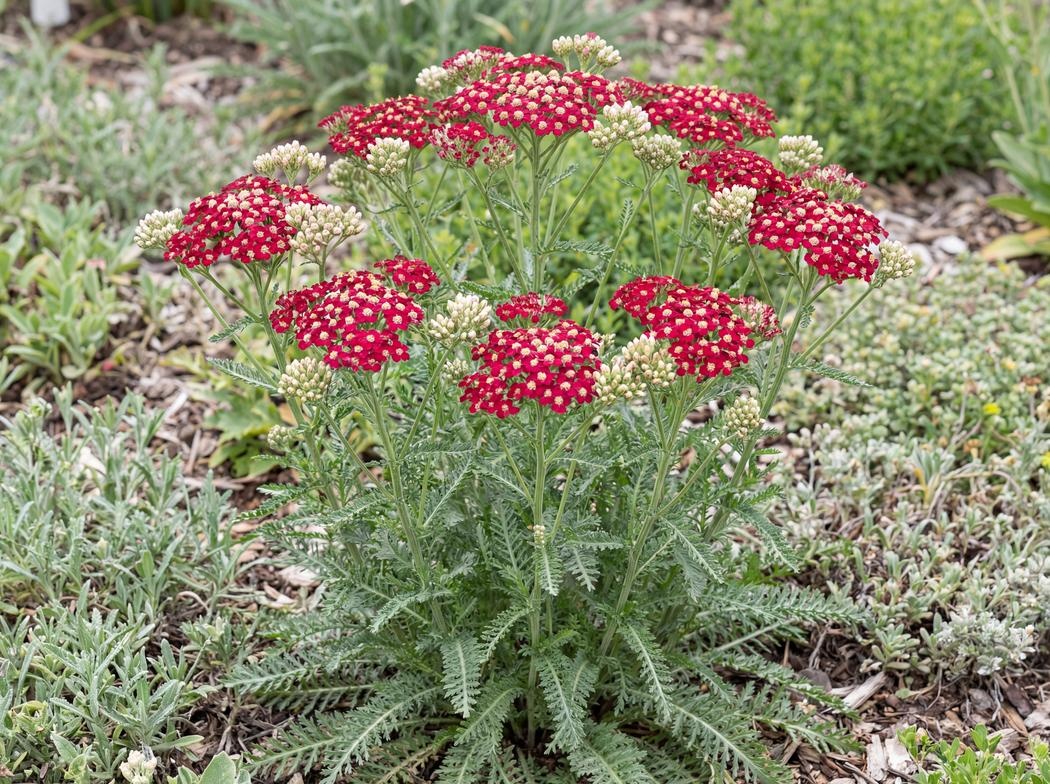
Compact pomegranate yarrow carries broad, non-fading magenta flower clusters above aromatic, ferny green foliage from late spring through summer.
- Description
- Additional information
Description
Pomegranate yarrow forms a compact, bushy perennial mound with sturdy upright stems and finely divided aromatic foliage. Broad magenta flower clusters provide a long summer display and make useful fresh or dried cuts. Grow it in full sun and freely draining soil, where established plants tolerate dry conditions. It suits sunny borders, prairie-style plantings, wildlife gardens, and roomy outdoor containers.
Additional information
| Height | 2 ft – 2 ft |
|---|---|
| Spread | 1 ft – 2 ft |
| Flowering months | June, July, August |
| Synonyms | Achillea 'Pomegranate', Achillea millefolium 'T.F. Pomegranate', Achillea Pomegranate |
| Family | Asteraceae |
| Hazardous | yes |
| Variegated | unknown |
| Color flower spring | Purple, Pink |
| Color flower summer | Purple, Pink |
| Aspect | East, South, West |
| Foliage | Semi-evergreen |
| Habit | Bushy, Compact |
| Moisture | Moist but Well Drained, Well Drained Soil |
| Ph | Acid, Alkaline, Neutral |
| Position | Full sun |
| Shape | Mound-forming, Upright |
| Suggest planting location | Flowering borders, Patio and container use, Cottage and informal gardens, Wildlife friendly gardens, Prairie style planting |
| Type | Perennial |
| Use for | Cutting Garden, Pollinator-Friendly, Container Planting |
| Years to max height | 2 |
| Drought resistance | yes |
| Cultivation | Grow in full sun in moist but well-drained or well-drained soil, and avoid heavy, waterlogged ground. |
| Soil | Chalk, Loam, Sand |
| Local names | Pomegranate Yarrow, Tutti Frutti Pomegranate Yarrow |
| Blomidon Item No | MO23047698, ZACHMI0001G |
| Propagation | Divide established clumps in spring, then replant the divisions promptly at their normal soil level. |
| Pests | Watch for aphids on young growth and flower stems. |
| Diseases | Powdery mildew may occur, especially where air movement is poor. |
| Pruning | Cut back untidy foliage in spring, and deadhead faded flower clusters to encourage more blooms. |
| Hazardous information | The plant is toxic if eaten by pets and grazing animals; keep plant material out of their reach. |
| Watering instructions | Water while plants establish, then let the soil drain between waterings; established plants tolerate dry conditions, but waterlogged soil should always be avoided. |
| Sunlight instructions | Plant in full sun for the strongest flowering and most compact growth; east-, south-, or west-facing sites are suitable. |
| Common Name | Pomegranate Yarrow |