
Vaccinium corymbosum ‘Duke’

$49.99
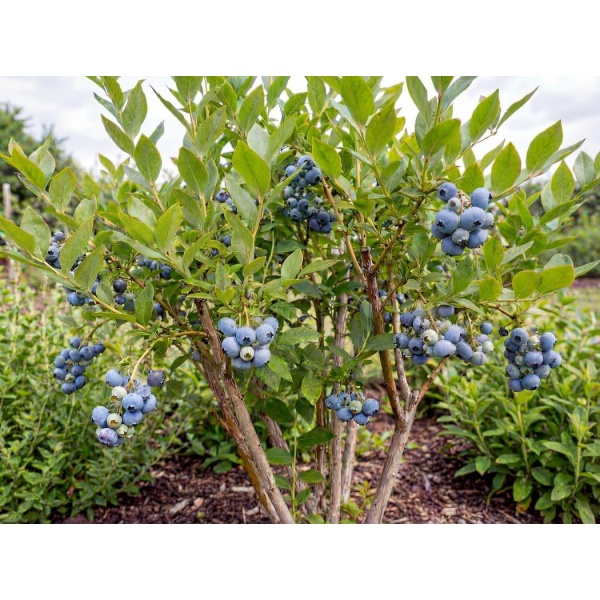
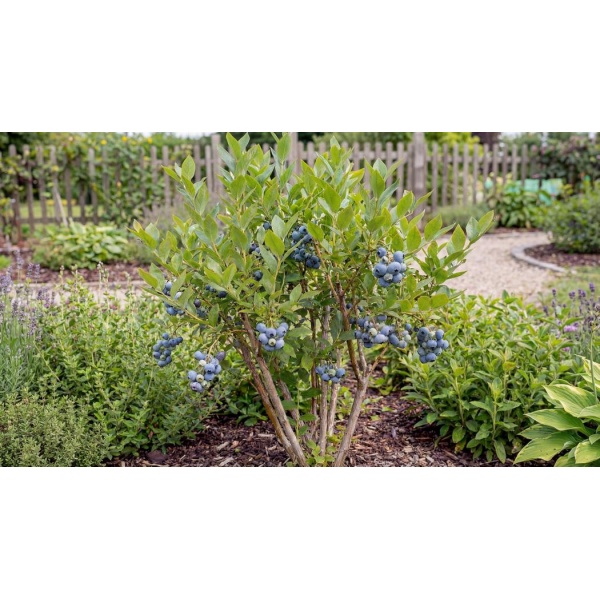
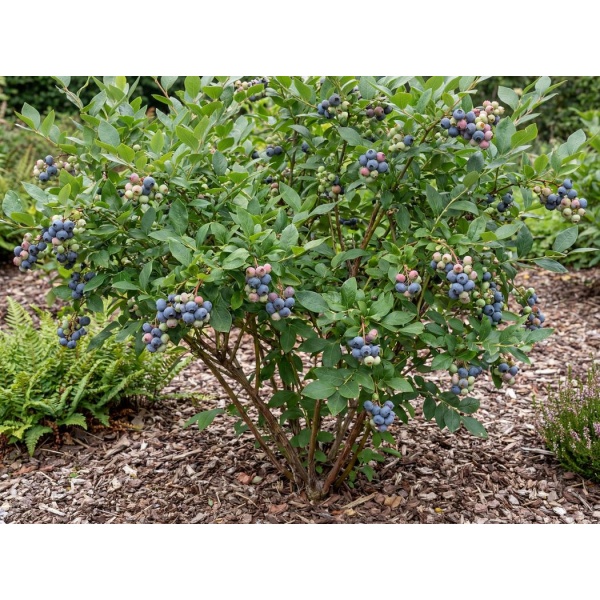
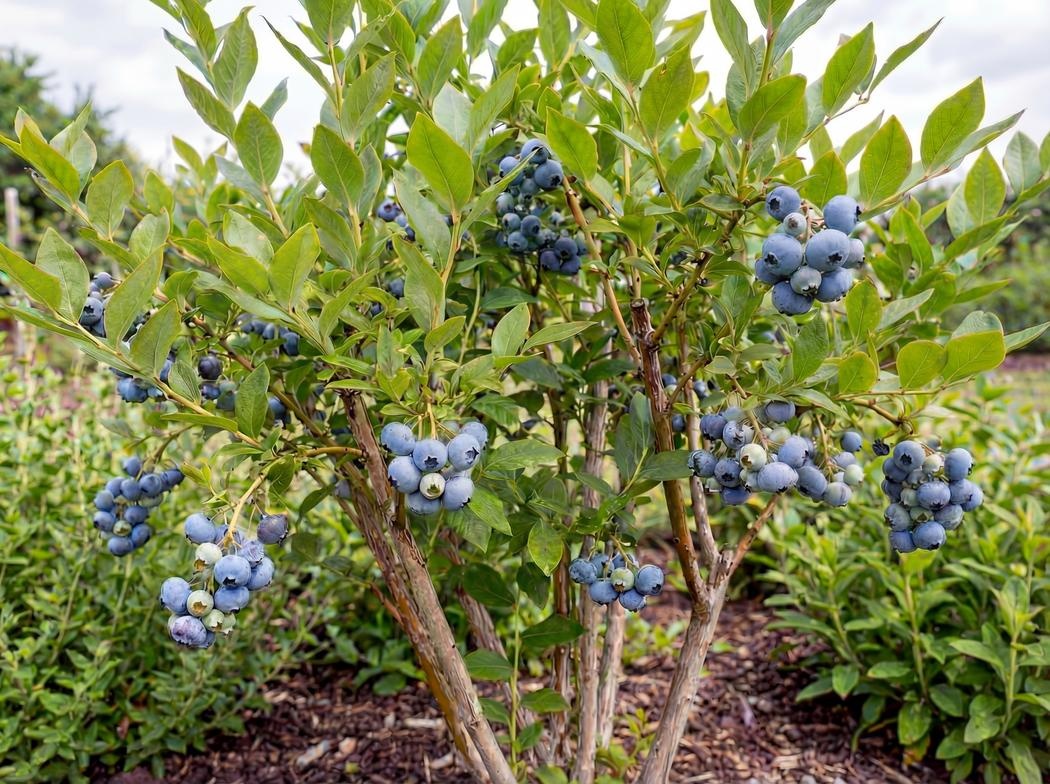
Vaccinium corymbosum Duke produces firm, light blue, mildly sweet berries early in summer on a bushy upright shrub with yellow-orange fall foliage.
- Description
- Additional information
Description
Vaccinium corymbosum Duke delivers an early summer crop of firm, light blue berries with a mildly sweet flavor. Its bushy upright growth can grow in a hedge or patio container, while the leaves turn yellow and orange in fall.
Plant it in full sun or partial shade in acidic, moist but well-drained soil. The edible berries feed people and birds. Although it is self-fertile, another cultivar with the same bloom time improves fruit size and yield.
Additional information
| Height | 5 ft – 8 ft |
|---|---|
| Spread | 3 ft – 5 ft |
| Flowering months | May |
| Synonyms | Vaccinium corymbosum, Vaccinium corymbosum 'Duke', Vaccinium Duke |
| Family | Ericaceae |
| Hazardous | unknown |
| Variegated | unknown |
| Color flower spring | White, Cream |
| Aspect | East, South, West |
| Foliage | Deciduous |
| Habit | Bushy |
| Moisture | Moist but Well Drained |
| Ph | Acid |
| Position | Full sun, Partial shade |
| Shape | Upright |
| Suggest planting location | Flowering borders, Patio and container use, Hedges and screening plants, Edible fruit plants, Wildlife friendly gardens |
| Type | Shrub |
| Use for | Bird-Friendly, Pollinator-Friendly, Edible |
| Years to max height | 5 |
| Drought resistance | no |
| Soil | Loam, Sand |
| Harvest in | 7 |
| Local names | Blueberry, Highbush Blueberry, Duke Northern Highbush Blueberry, Duke Blueberry |
| Blomidon Item No | MO23014538, VACCOD0002G, VACCOD0005G, 201659702, 201826659, 201912817, 201970804, 201700940, 201993564, 201693173 |
| Usps | Firm light blue berries ripen early in summer., Use the upright shrub in a hedge or large container., Full sun or partial shade and moist, well-drained soil support growth. |
| Propagation | Take softwood cuttings in late spring or semi-ripe cuttings in early summer. |
| Pests | Container-grown plants may be susceptible to vine weevil. |
| Diseases | Possible diseases include rare honey fungus, powdery mildews, root rot, and nutrient-deficiency chlorosis. |
| Pruning | Remove the oldest canes in late winter after the fourth year from planting. |
| Watering instructions | Keep the acidic soil moist but well drained. |
| Sunlight instructions | Grow in full sun or partial shade with east, south, or west exposure. |
| Common Name | Duke Blueberry |