
Quercus macrocarpa

$439.99
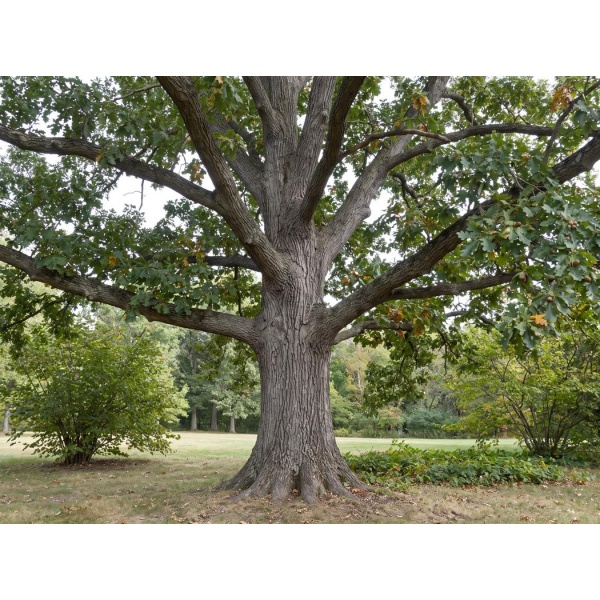
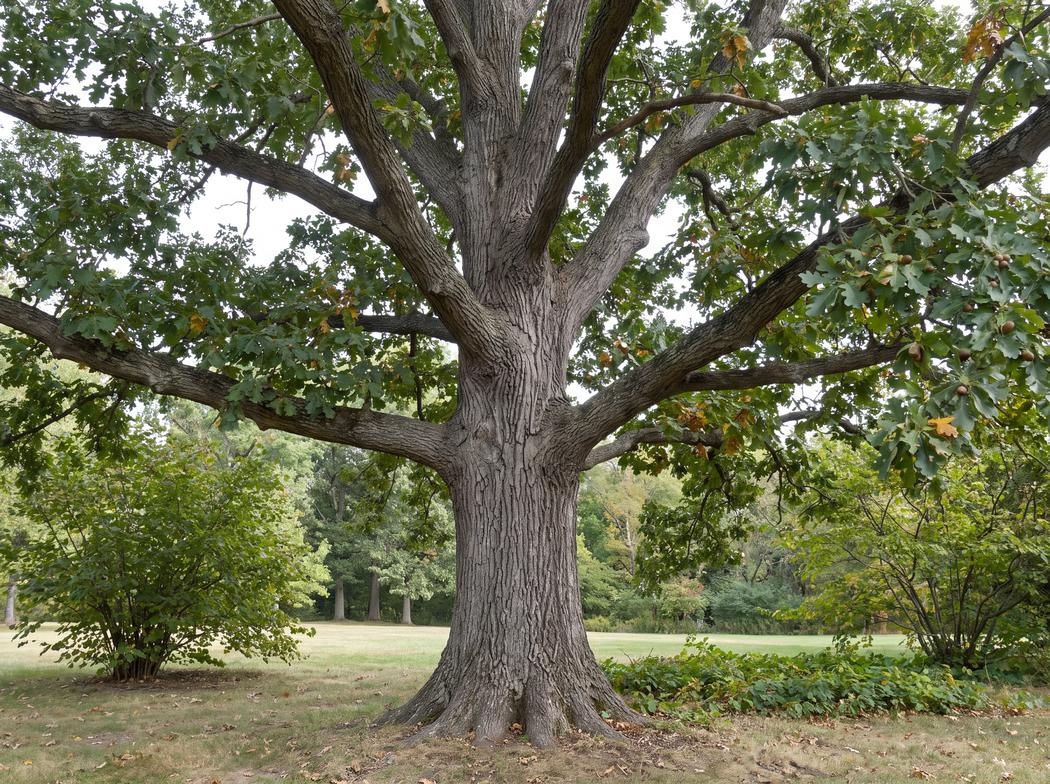
Quercus macrocarpa develops a broad 70- to 80-foot shade crown, deep-ridged bark, and large fringed acorns for expansive lawns and wildlife gardens.
- Description
- Additional information
Description
Quercus macrocarpa develops into a broad, rounded shade tree for expansive lawns and park-like gardens. Its deeply furrowed gray bark, stout spreading branches, and large green lobed leaves give it a coarse outline. Yellow-brown fall foliage and large brown acorns with deeply fringed cups extend the seasonal display.
Grow it in full sun in neutral or alkaline, well-drained clay, loam, chalk, or sandy soil. It tolerates dry ground and drought but not prolonged flooding. The acorns support wildlife and are edible for people only after their tannins are leached or boiled out. Leaves and unprepared acorns can be harmful if eaten, with dogs and horses specifically identified as at risk.
Additional information
| Height | 2135 cm – 2440 cm |
|---|---|
| Spread | 2135 cm – 2440 cm |
| Flowering months | May, June, April |
| Synonyms | Cerris macrocarpa |
| Family | Fagaceae |
| Propagation | Sow fresh acorns soon after they fall, or take hardwood cuttings in autumn. |
| Pests | Oak processionary moth, aphids, caterpillars, leaf-mining moths, oak gall wasps, scale insects, lace bugs, borers, and nut weevils may occur. |
| Diseases | Oak wilt, powdery mildew, honey fungus, root rot, anthracnose, cankers, leaf spots, and oak leaf blister may occur. |
| Pruning | Remove dead, damaged, diseased, or crossing branches during the dormant season. |
| Hazardous information | Leaves and unprepared acorns contain toxic compounds and can be harmful if eaten. Dogs and horses are specifically identified as at risk. |
| Hazardous | yes |
| Variegated | unknown |
| Watering instructions | Keep soil dry to moderately moist, well drained, and never flooded. |
| Sunlight instructions | Grow in full sun with any aspect. |
| Color flower spring | Green, Yellow |
| Aspect | East, South, West, North |
| Foliage | Deciduous |
| Habit | Bushy |
| Moisture | Moist but Well Drained, Well Drained Soil |
| Ph | Alkaline, Neutral |
| Position | Full sun, Partial shade |
| Shape | Round, Spreading |
| Suggest planting location | Low maintenance planting, Architectural planting, Wildlife friendly gardens, Prairie style planting, Rain Garden |
| Type | Tree |
| Use for | Architectural, Bird-Friendly, Naturalizing |
| Years to max height | 20 |
| Drought resistance | yes |
| Cultivation | Grow in full sun in dry to medium, well-drained soil. It prefers moist, well-drained loam but tolerates clay and drought. Avoid prolonged flooding and prune minimally. |
| Soil | Chalk, Clay, Loam, Sand |
| Harvest in | 8, 9, 10, 11 |
| Local names | Bur oak, Burr oak, Moss-cap oak, Mossy cup oak, Mossy-cupped white oak |
| Blomidon Item No | QUEMA050WB, QUEMA060WB, QUEMA20010G |
| Usps | Large fringed acorns distinguish the broad rounded crown., A drought-tolerant shade tree for large lawns and wildlife gardens. |
| Common Name | Bur Oak |