
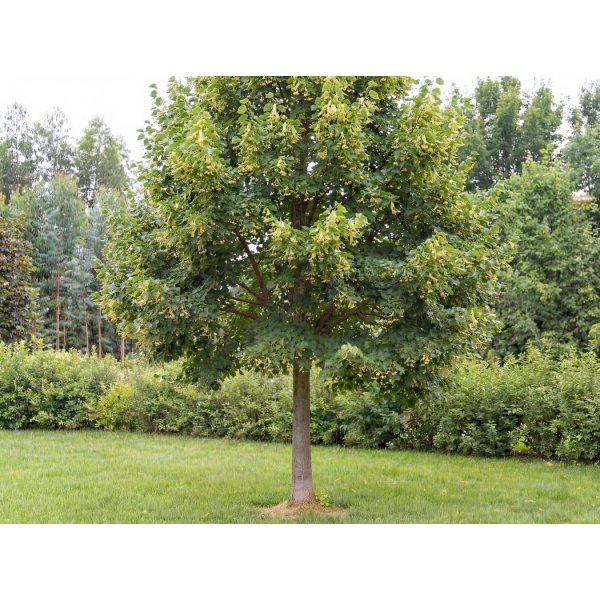
Tilia cordata ‘Greenspire’
$329.99
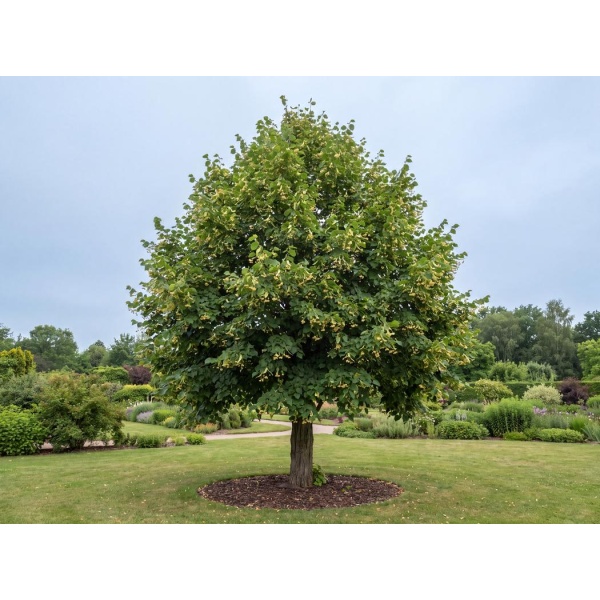
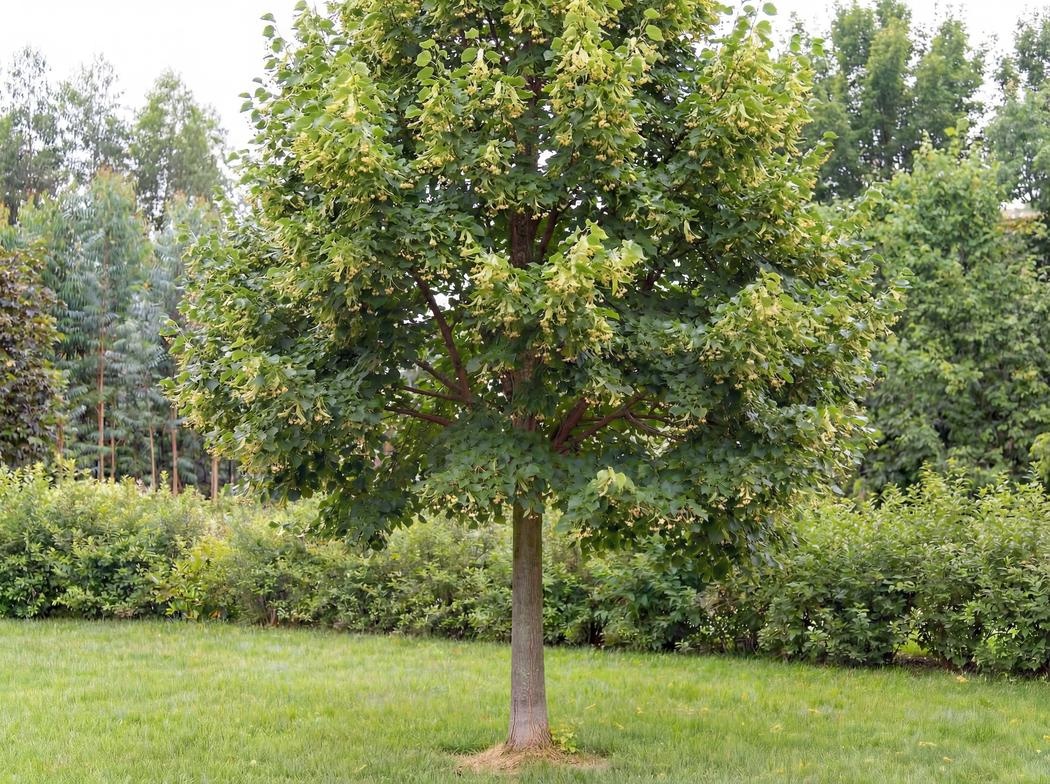
Tilia cordata Greenspire forms a symmetrical pyramidal shade tree with fragrant creamy-yellow summer flowers and dark green leaves that turn yellow in fall.
- Description
- Additional information
Description
Tilia cordata Greenspire builds a strong central leader and an even, pyramidal crown that suits avenues and large gardens. Dark green, heart-shaped leaves create summer shade before turning yellow in fall.
Small, fragrant creamy-yellow flowers hang in clusters in early summer and provide nectar for bees and butterflies. The deciduous crown grows best in full sun or partial shade in moist, well-drained soil.
Additional information
| Height | 39 ft – 49 ft |
|---|---|
| Spread | 13 ft – 26 ft |
| Flowering months | June, July |
| Synonyms | Tilia cordata 'Greenspire', Tilia cordata PNI 6025 |
| Family | Malvaceae |
| Hazardous | unknown |
| Variegated | unknown |
| Color flower summer | Yellow, Cream |
| Aspect | East, South, West |
| Foliage | Deciduous |
| Habit | Columnar upright |
| Moisture | Moist but Well Drained |
| Ph | Alkaline, Neutral |
| Position | Full sun, Partial shade |
| Scent | Fragrant |
| Shape | Pyramidal |
| Suggest planting location | Architectural planting, Hedges and screening plants, Wildlife friendly gardens |
| Type | Tree |
| Use for | Architectural, Bee-Friendly, Screen |
| Years to max height | 20 |
| Drought resistance | moderate |
| Cultivation | Plant in full sun or partial shade in moist, well-drained soil. Shelter the crown from cold winds and keep organic mulch over the root zone. Water young trees regularly during dry spells. |
| Soil | Chalk, Clay, Loam, Sand |
| Local names | Greenspire Littleleaf Linden, Greenspire Littleleaf Basswood |
| Usps | Dark green heart-shaped leaves turn yellow in fall., Its symmetrical pyramidal crown provides summer shade., Full sun or partial shade and moist, well-drained soil suit this tree. |
| Propagation | Propagate by chip budding onto a suitable rootstock, choosing the rootstock carefully before grafting. |
| Pests | Aphids, horse chestnut scale, caterpillars, sawflies, and gall mites may occur. |
| Diseases | Sooty mold, Phytophthora root rot, and honey fungus may occur. |
| Pruning | Remove dead, damaged, dense, or inward-growing branches from early to midsummer. |
| Watering instructions | Keep soil moist but well drained, watering deeply during dry spells. |
| Sunlight instructions | Plant in full sun or partial shade with shelter from cold winds. |
| Common Name | Greenspire Linden |