
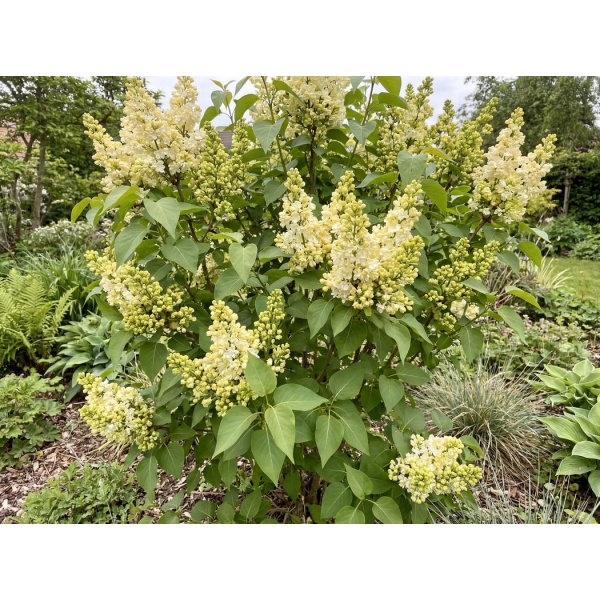
Syringa vulgaris Primrose
$189.99
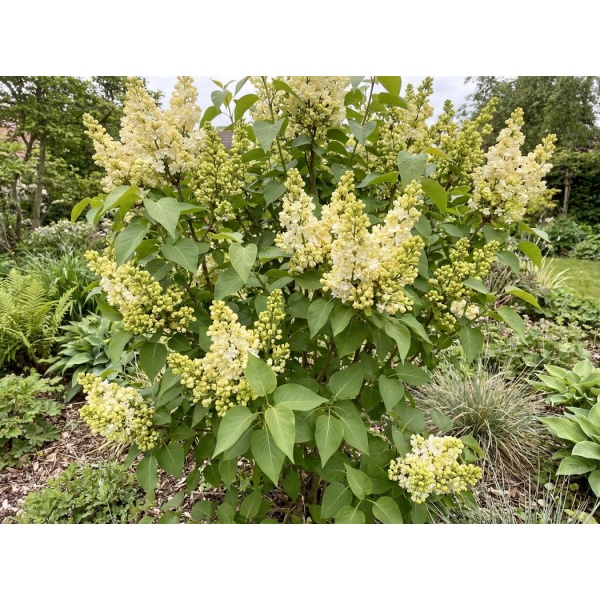
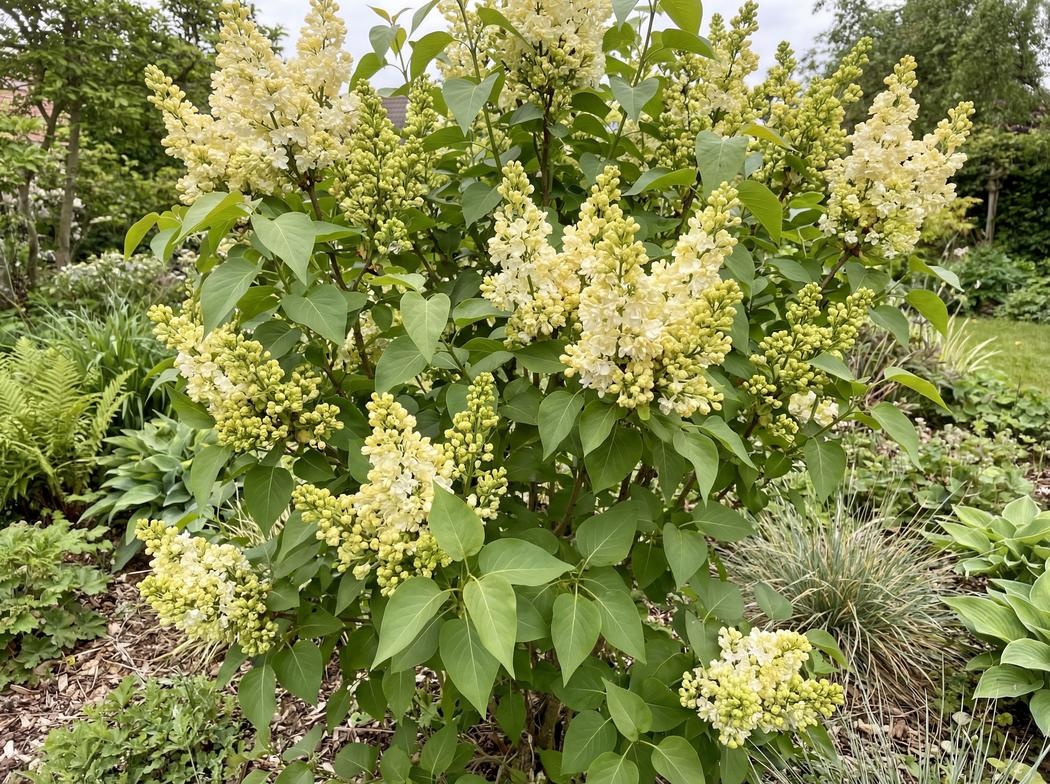
Pale creamy-yellow panicles perfume the late-spring garden on Syringa vulgaris Primrose, an upright deciduous shrub with heart-shaped green leaves.
- Description
- Additional information
Description
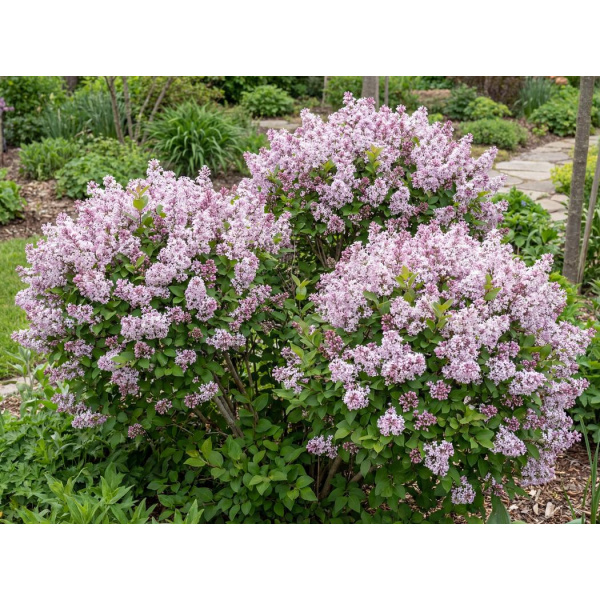
Pale creamy-yellow flower panicles bring a fragrant late-spring display to Syringa vulgaris Primrose. Heart-shaped green leaves cover its upright, suckering framework and turn yellow in fall.
Plant it in full sun for the strongest flowering, using moist but well-drained neutral or alkaline soil. It works well as a flowering hedge, a border specimen, or a scented courtyard shrub. Remove faded panicles immediately after bloom without cutting developing buds.
Additional information
| Height | 8 ft – 13 ft |
|---|---|
| Spread | 8 ft – 13 ft |
| Flowering months | May, June |
| Synonyms | Syringa vulgaris 'Primrose', Syringa vulgaris Yellow Wonder |
| Family | Oleaceae |
| Hazardous | unknown |
| Variegated | unknown |
| Color flower spring | Yellow, Cream |
| Color flower summer | Yellow, Cream |
| Aspect | East, South, West |
| Foliage | Deciduous |
| Habit | Bushy, Suckering |
| Moisture | Moist but Well Drained |
| Ph | Alkaline, Neutral |
| Position | Full sun, Partial shade |
| Scent | Fragrant |
| Shape | Upright |
| Suggest planting location | Pollinator Garden, Urban and courtyard gardens, Flowering borders, Cottage and informal gardens, Fragrant Garden |
| Type | Shrub |
| Use for | Hedge, Sensory, Pollinator-Friendly |
| Years to max height | 10 |
| Drought resistance | yes |
| Soil | Chalk, Clay, Loam, Sand |
| Local names | Primrose Lilac, Common Lilac |
| Blomidon Item No | 144456, 148678, MO23011270, SYRVUP0002G, SYRVUP0010G, 202010660, 201832056, 202069768, 202069769 |
| Cultivation | Grow in full sun or light partial shade in moist, well-drained neutral or alkaline soil. Remove faded panicles immediately after flowering without cutting developing buds. |
| Usps | Pale creamy-yellow panicles brighten the late-spring garden., Fragrant flowers attract butterflies, hummingbirds, and bees., Full sun and moist, well-drained soil support the best flowering. |
| Propagation | Take softwood cuttings in late spring or layer stems in spring. |
| Pests | Watch for lilac leaf-mining moth, willow scale, and thrips. |
| Diseases | Watch for lilac blight, honey fungus, Phytophthora, powdery mildew, and bacterial canker. |
| Pruning | Remove faded panicles immediately after flowering without cutting developing buds. |
| Watering instructions | Water regularly in the first year and keep the soil well drained. |
| Sunlight instructions | Grow in full sun for the best flowering; light shade is tolerated. |