
Syringa vulgaris Madame Lemoin

$54.99
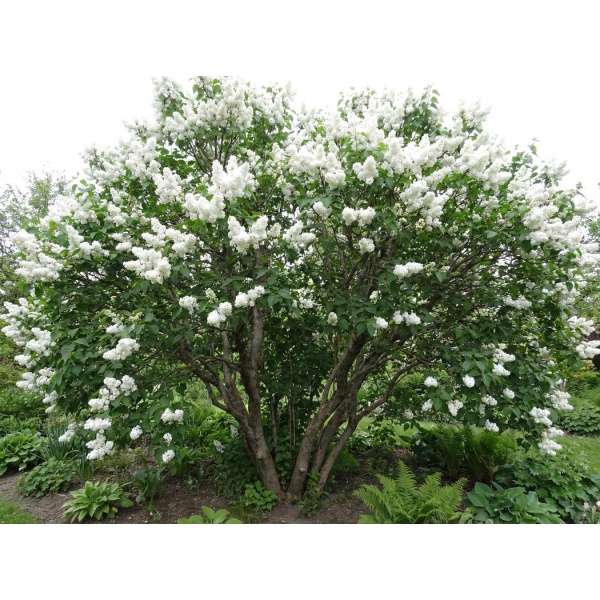
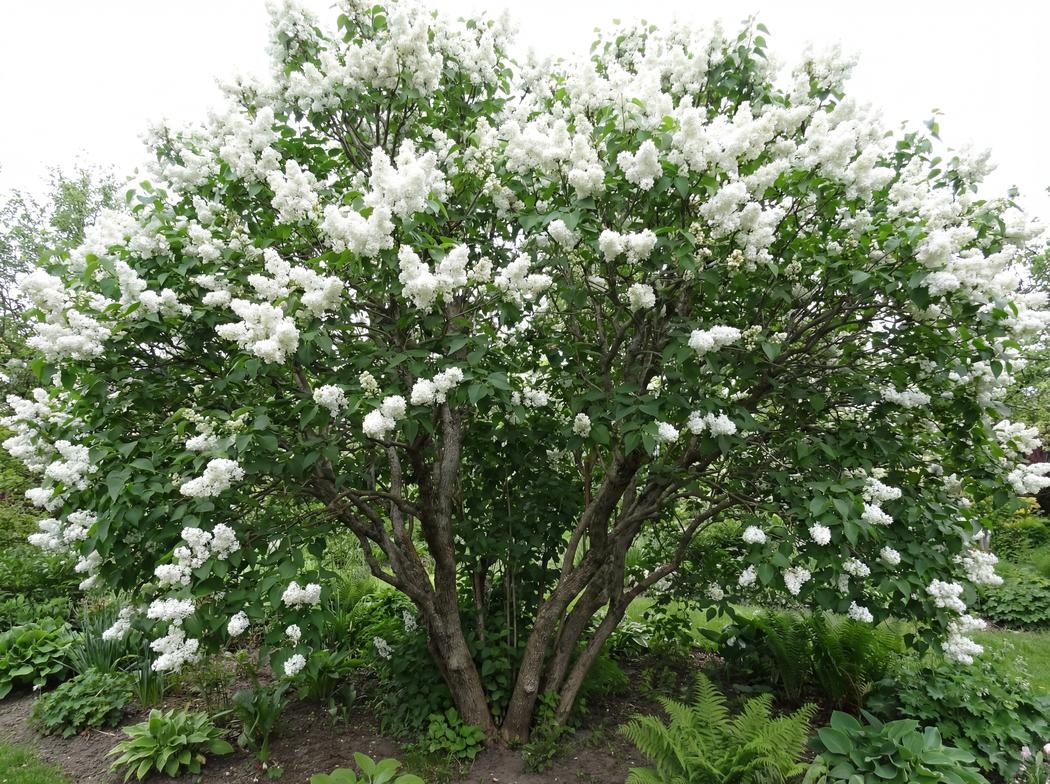
Syringa vulgaris Madame Lemoine carries fragrant double white flower panicles above light green heart-shaped leaves on a bushy spring-flowering shrub.
- Description
- Additional information
Description
Fragrant double white flower panicles open from yellowish buds in late spring on Syringa vulgaris Madame Lemoine. Light green heart-shaped leaves clothe its bushy, upright branches.
This deciduous shrub grows into a broad screen or flowering hedge in full sun. Fertile, humus-rich, neutral to alkaline soil with good drainage supports strong flowering.
Prune immediately after flowering, deadhead before seed set, and remove unwanted root suckers. Take softwood cuttings or layer shoots in early summer.
Additional information
| Height | 8 ft – 13 ft |
|---|---|
| Spread | 8 ft – 13 ft |
| Flowering months | May, June |
| Synonyms | Syringa Madame Lemoine, Syringa vulgaris 'Madame Lemoine', Syringa vulgaris 'Mme Lemoine', Syringa vulgaris Madame Lemoin, Syringa vulgaris Mme Lemoine |
| Family | Oleaceae |
| Hazardous | unknown |
| Variegated | unknown |
| Color flower spring | White |
| Aspect | East, South, West, North |
| Foliage | Deciduous |
| Habit | Bushy |
| Moisture | Moist but Well Drained, Well Drained Soil |
| Ph | Alkaline, Neutral |
| Position | Full sun |
| Scent | Fragrant |
| Shape | Round, Upright, Spreading |
| Suggest planting location | Low maintenance planting, Flowering borders, Hedges and screening plants, Cottage and informal gardens, Wildlife friendly gardens |
| Type | Shrub |
| Use for | Hedge, Foundation Planting, Pollinator-Friendly |
| Years to max height | 10 |
| Cultivation | Plant in fertile, humus-rich, neutral to alkaline soil with good drainage and full sun. |
| Soil | Chalk, Clay, Loam, Sand |
| Local names | Madame Lemoine Lilac, Common Lilac |
| Usps | Fragrant double white flowers open from yellowish buds., Large spring panicles brighten flowering hedges and shrub borders., Grow in full sun with moist but well-drained soil. |
| Propagation | Take softwood cuttings or layer shoots in early summer; graft in winter or chip-bud in summer. |
| Pests | Lilac leaf-mining moth, willow scale, and thrips may occur. |
| Diseases | Lilac blight, honey fungus, Phytophthora, powdery mildew, and bacterial canker may occur. |
| Pruning | Prune immediately after flowering, deadhead before seed set, and remove unwanted root suckers. |
| Watering instructions | Keep the soil moist but well drained, avoiding waterlogged ground. |
| Sunlight instructions | Grow in full sun for the best flowering. |