
Syringa vulgaris Charles Joly

$59.99
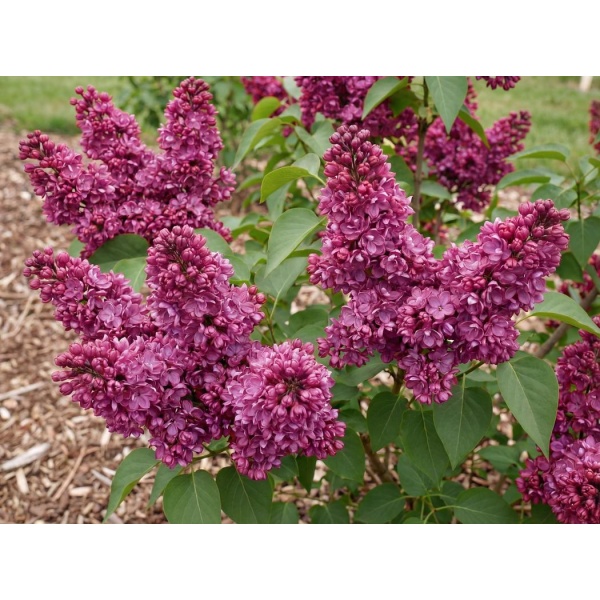
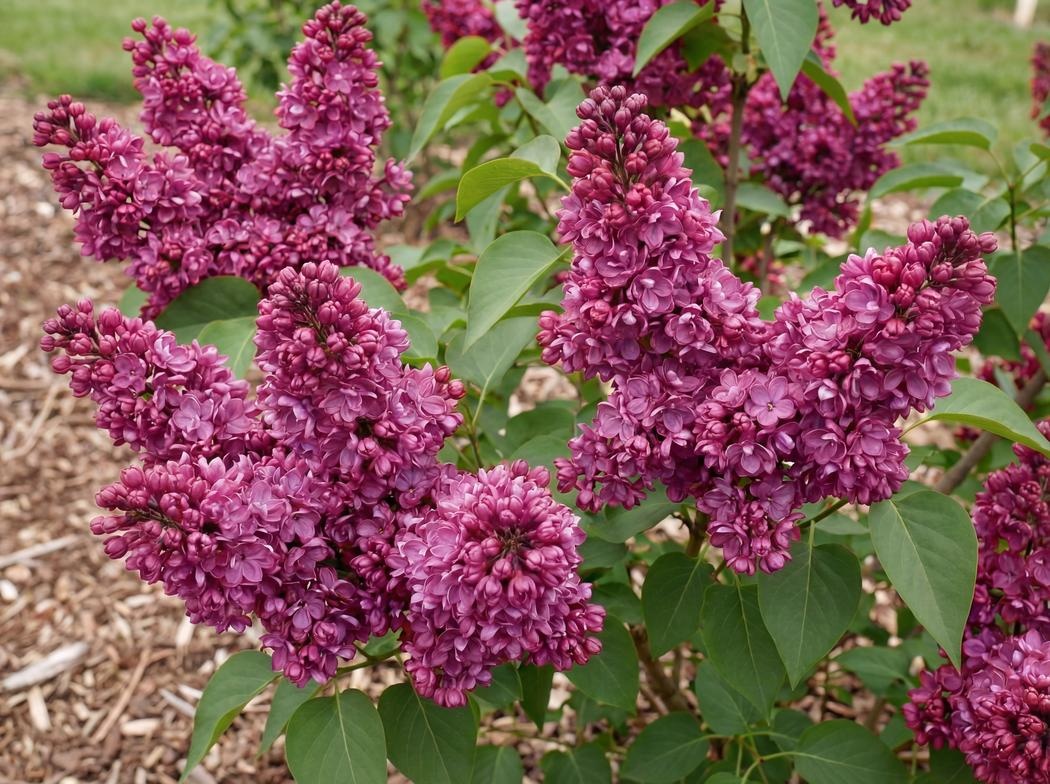
Syringa vulgaris Charles Joly fills sunny borders or hedges with fragrant, double red-purple flower panicles in late spring and early summer.
- Description
- Additional information
Description
Fragrant double red-purple flowers cover Syringa vulgaris Charles Joly in dense upright panicles from late spring into early summer. Purple buds deepen the display before opening, while dark green heart-shaped leaves form a steady backdrop. The upright shrub works as a flowering hedge, a sunny border backdrop, or a specimen in a cottage garden.
Plant it in full sun and fertile, humus-rich soil that drains well. Neutral to alkaline soil suits the roots, and chalk, clay, loam, or sand can work when drainage is reliable. Water after planting, maintain even moisture while roots establish, and mulch around the base.
Prune immediately after flowering so the next season’s buds can develop. Remove faded flower heads and unwanted root suckers, and provide good air circulation to reduce common leaf and stem problems. The fragrant panicles also make useful cut flowers and attract pollinating insects.
Additional information
| Height | 8 ft – 13 ft |
|---|---|
| Spread | 8 ft – 13 ft |
| Flowering months | May, June |
| Synonyms | Syringa Charles Joly, Syringa vulgaris 'Charles Joly' |
| Family | Oleaceae |
| Hazardous | unknown |
| Variegated | unknown |
| Color flower spring | Purple, Red |
| Color flower summer | Purple, Red |
| Aspect | East, South, West, North |
| Foliage | Deciduous |
| Habit | Bushy |
| Moisture | Moist but Well Drained, Well Drained Soil |
| Ph | Alkaline, Neutral |
| Position | Full sun |
| Scent | Fragrant |
| Shape | Upright |
| Suggest planting location | Urban and courtyard gardens, Flowering borders, Cut flower use, Hedges and screening plants, Cottage and informal gardens |
| Type | Shrub |
| Use for | Hedge, Sensory, Pollinator-Friendly |
| Years to max height | 10 |
| Soil | Chalk, Clay, Loam, Sand |
| Local names | Common Lilac, English Lilac, French Lilac |
| Cultivation | Plant in full sun and fertile, humus-rich, neutral to alkaline soil that drains freely. Water after planting, mulch the root area, and prune just after flowers fade. |
| Usps | Fragrant double red-purple flowers pack dense spring panicles., Its upright growth forms a flowering hedge or sunny border backdrop., Full sun and moist, well-drained soil support the best flowering. |
| Propagation | Take softwood cuttings or layer stems in early summer. |
| Pests | Lilac leaf-mining moth, willow scale, and thrips may occur. |
| Diseases | Lilac blight, honey fungus, Phytophthora, powdery mildew, and bacterial canker may occur. |
| Pruning | Prune immediately after flowering, removing faded flower heads and unwanted root suckers. |
| Watering instructions | Keep soil moist but well drained, never waterlogged. |
| Sunlight instructions | Grow in full sun for the strongest flowering. |
| Common Name | Charles Joly Lilac |