
Physocarpus opulifolius
$54.99
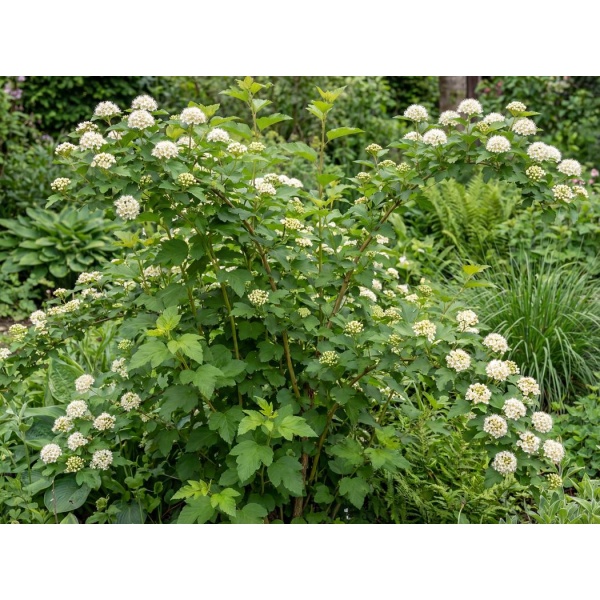
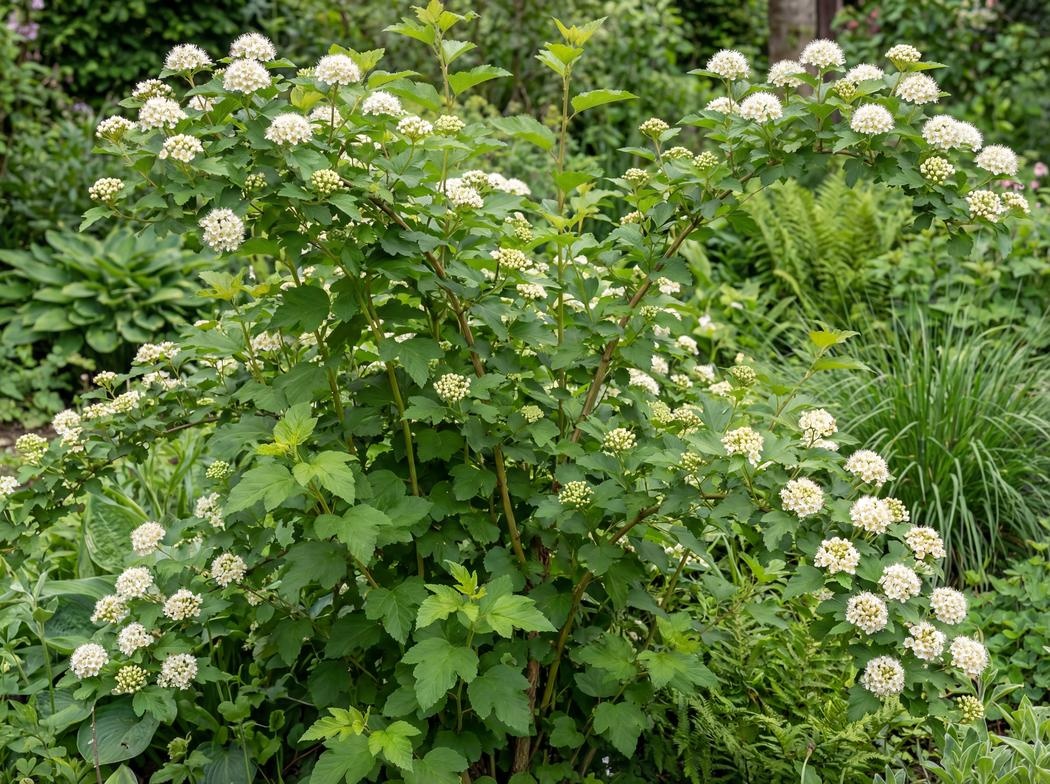
Physocarpus opulifolius is a resilient native shrub with white-pink flower clusters, arching green foliage, and richly layered peeling bark.
- Description
- Additional information
Description
Physocarpus opulifolius is a vigorous eastern North American shrub valued for rounded clusters of small white to pink flowers, adaptable culture, and distinctive exfoliating bark.
Its upright-spreading branches carry alternate, shallowly lobed green leaves. Mature stems peel in reddish to light brown layers, providing winter interest after the foliage turns yellow and falls.
Grow common ninebark in sun or partial shade and well-drained soil. It works especially well in hedges, mixed native borders, pollinator gardens, and erosion-control plantings.
Additional information
| Height | 5 ft – 8 ft |
|---|---|
| Spread | 4 ft – 6 ft |
| Flowering months | April, May, June |
| Synonyms | Physocarpus opulifolius 'LP1', Physocarpus opulifolius Lotus Moon, Physocarpus opulifolius var. opulifolius, Spiraea opulifolia |
| Family | Rosaceae |
| Hazardous | unknown |
| Variegated | no |
| Color flower spring | White, Pink |
| Color flower summer | White, Pink |
| Aspect | East, South, West |
| Foliage | Deciduous |
| Habit | Bushy, Suckering |
| Moisture | Moist but Well Drained, Well Drained Soil |
| Ph | Acid, Alkaline, Neutral |
| Position | Full sun, Partial shade |
| Shape | Upright, Spreading, Arching |
| Suggest planting location | Banks and slopes, Flowering borders, Hedges and screening plants, Wildlife friendly gardens, Rain Garden |
| Type | Shrub |
| Use for | Hedge, Pollinator-Friendly, Erosion Control |
| Years to max height | 5 |
| Drought resistance | moderate |
| Soil | Clay, Loam, Sand |
| Local names | Common Ninebark |
| Blomidon Item No | MO23006289, PHYOP0003G, 201815385 |
| Usps | Papery, layered peeling bark supplies strong winter interest., Native flowers support bees while dense branches shelter wildlife., Sun or partial shade and well-drained soil support healthy growth. |
| Propagation | Propagate by seed, summer softwood cuttings, division, or rooted offsets. |
| Pests | Generally pest-free, although aphids, leaf miners, beetles, and caterpillars may feed on the plant. |
| Diseases | Powdery mildew, fire blight, leaf spots, and honey fungus may occur. |
| Pruning | Prune immediately after flowering; rejuvenate an overgrown shrub near ground level in early spring. |
| Watering instructions | Water during establishment, then allow moderate drying between soakings. |
| Sunlight instructions | Grow in full sun or partial shade; afternoon shade helps in hot regions. |