
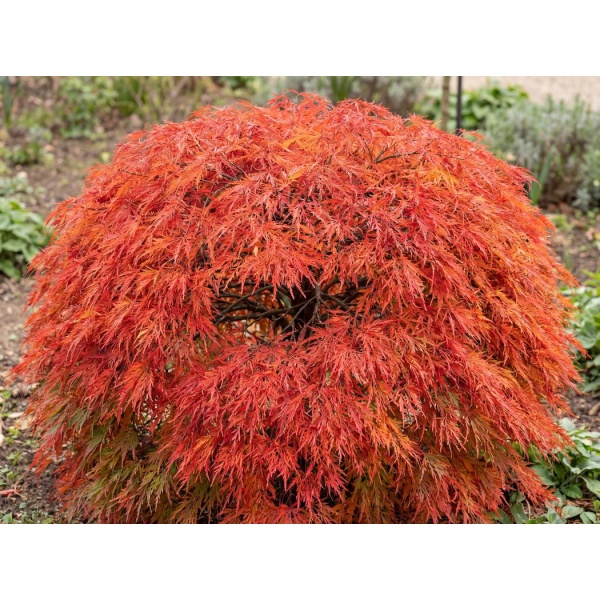
Acer palmatum ‘Dissectum Viridis’
$329.99
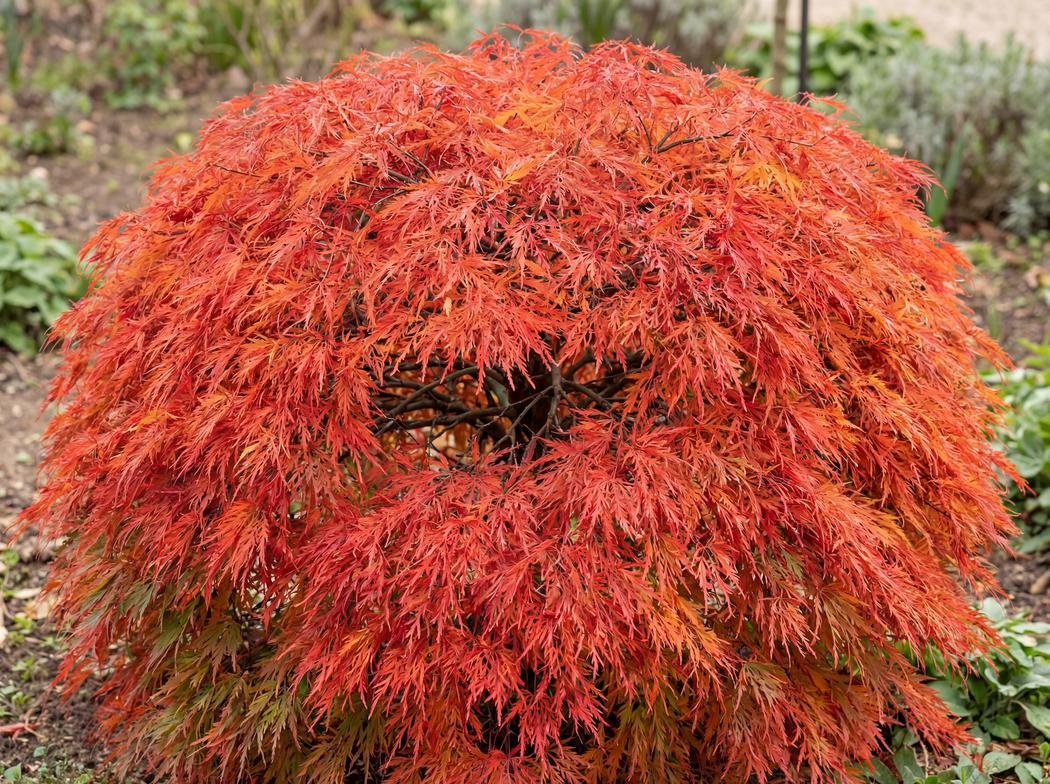
Acer palmatum Dissectum forms a low cascading dome of finely divided green leaves that turn vivid yellow, orange, and red in autumn.
- Description
- Additional information
Description
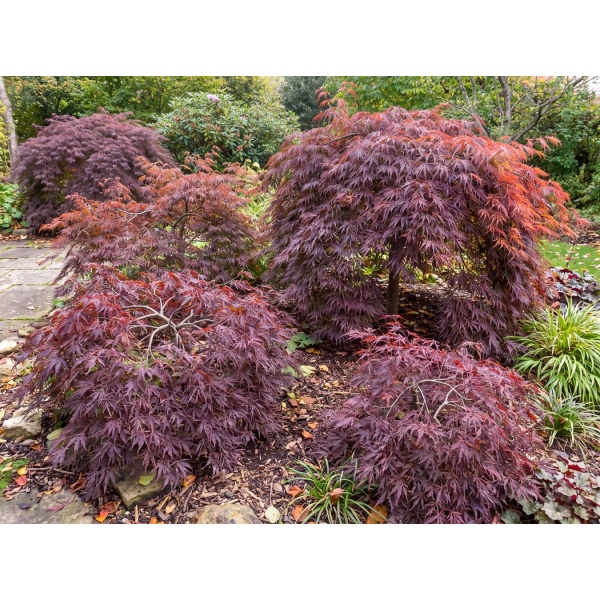
Acer palmatum Dissectum creates a low, broad dome of cascading branches for courtyards, patios, rock gardens, and waterside settings. Its feathery green leaves divide almost to the main veins, giving the canopy a delicate lace-like texture.
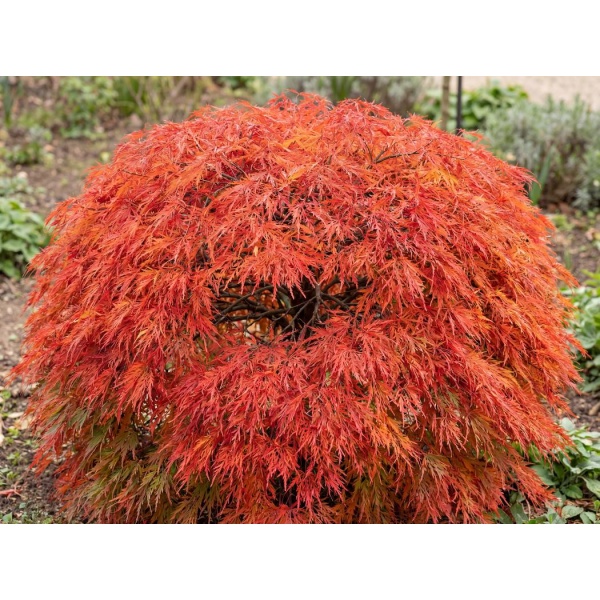
Small red-purple flowers add subtle spring detail before the foliage becomes the main attraction. In autumn, the dense green canopy changes to a layered display of yellow, orange, and red, while the smooth grey-brown branch structure becomes visible after leaf fall.
Additional information
| Height | 5 ft – 8 ft |
|---|---|
| Spread | 5 ft – 8 ft |
| Flowering months | May |
| Synonyms | Acer palmatum 'Dissectum Viridis', Acer palmatum 'Dissectum', Acer palmatum Dissectum Viride Group, Acer palmatum Dissectum Viridis, Acer palmatum var. dissectum viride |
| Family | Sapindaceae |
| Hazardous | no |
| Variegated | unknown |
| Color flower spring | Purple, Red |
| Aspect | East, South, West |
| Foliage | Deciduous |
| Habit | Bushy, Pendulous |
| Moisture | Moist but Well Drained |
| Ph | Acid, Neutral |
| Position | Full sun, Partial shade |
| Shape | Dome, Weeping, Spreading |
| Suggest planting location | Urban and courtyard gardens, Patio and container use, Rock and alpine gardens, Pond Margin, Water Garden |
| Type | Shrub |
| Use for | Structural, Low maintenance, Container Planting |
| Years to max height | 10 |
| Drought resistance | moderate |
| Soil | Chalk, Clay, Loam, Sand |
| Local names | Dissectum Japanese Maple, Cutleaf Japanese Maple, Laceleaf Japanese Maple |
| Propagation | Propagate by grafting or softwood cuttings. |
| Pests | Acer gall mites, aphids, caterpillars, horse chestnut scale, borers, root weevils, and mites may occur. |
| Diseases | Verticillium wilt, Acer leaf scorch, honey fungus, canker, leaf spots, anthracnose, and root rots may occur. |
| Pruning | Keep pruning minimal and remove unwanted growth from late autumn to midwinter. |
| Watering instructions | Keep the soil evenly moist but well drained, especially in dry weather. |
| Sunlight instructions | Give partial shade or gentle sun and shelter the fine leaves from wind. |
| Growing condition | Chalk, Clay, Loam, Sand |