
Hamamelis virginiana
$119.99
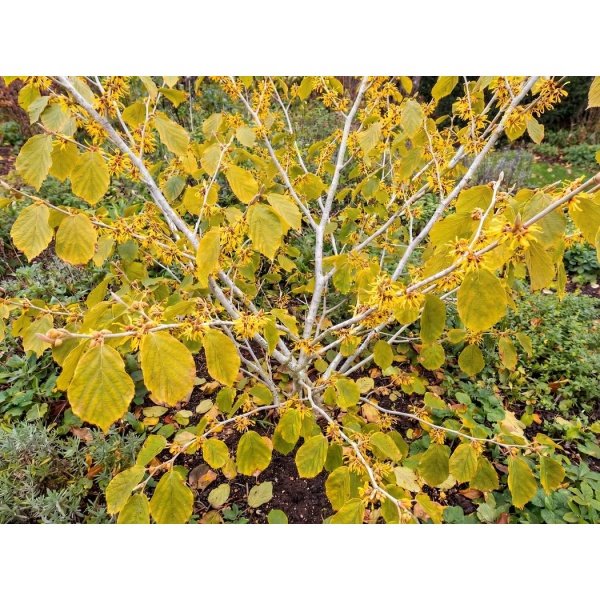
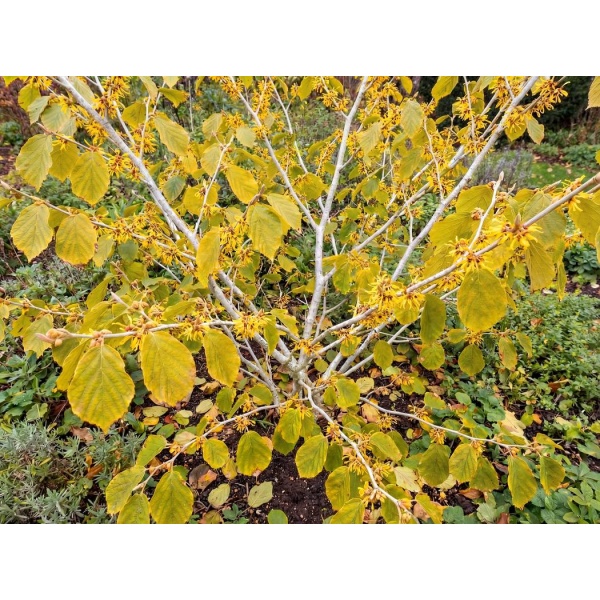
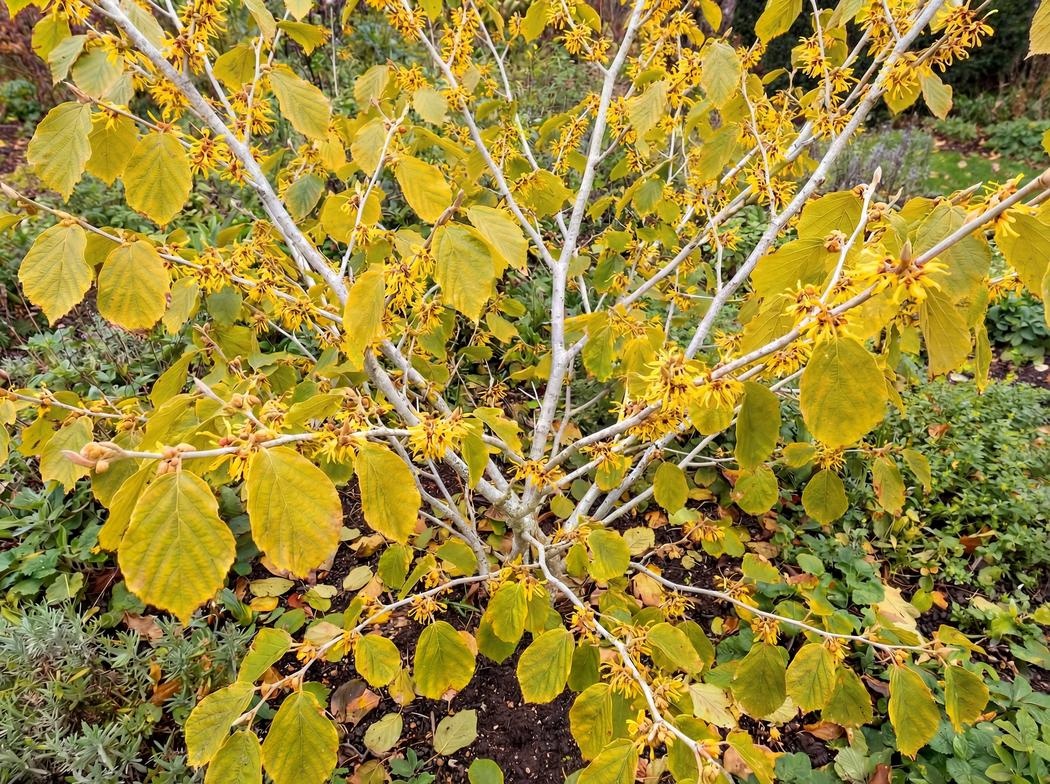
Hamamelis virginiana is an upright native shrub with fragrant pale-yellow ribbon flowers in fall, often opening as its green leaves turn golden yellow.
- Description
- Additional information
Description
Hamamelis virginiana brings fragrant, pale-yellow ribbon flowers to the garden from mid- to late fall, often while the broad green leaves are turning golden yellow. Its upright form develops into a substantial deciduous shrub or small tree.
Use common witch hazel as a woodland-edge specimen or as a tall seasonal screen or hedge. Mature plants may reach about 13 to 26 feet tall and 8 to 13 feet wide, so allow generous room for the crown.
Grow it in full sun or partial shade in moist, humus-rich, acidic to neutral, well-drained soil. Mulch to conserve summer moisture, water during dry periods, and prune only when needed to maintain its shape.
Additional information
| Height | 13 ft – 26 ft |
|---|---|
| Spread | 8 ft – 13 ft |
| Flowering months | October, November, December |
| Synonyms | Hamamelis macrophylla, Hamamelis rotundifolia, Trilopus virginiana |
| Family | Hamamelidaceae |
| Hazardous | unknown |
| Variegated | unknown |
| Color flower autumn | Yellow |
| Color flower winter | Yellow |
| Aspect | East, South, West, North |
| Foliage | Deciduous |
| Habit | Columnar upright |
| Moisture | Moist but Well Drained |
| Ph | Acid, Neutral |
| Position | Full sun, Partial shade |
| Scent | Fragrant |
| Shape | Column, Upright |
| Suggest planting location | Banks and slopes, Woodland Garden, Flowering borders, Hedges and screening plants, Cottage and informal gardens |
| Type | Shrub |
| Use for | Deer resistant, Hedge, Screen |
| Years to max height | 10 |
| Drought resistance | no |
| Soil | Clay, Loam, Sand |
| Local names | Common Witch Hazel |
| Blomidon Item No | MO23004216, HAMVI00002G, HAMVI00003G, HAMVI00005G, HAMVIR125WB |
| Usps | Fragrant pale-yellow flowers open among fall-colored leaves., A tall native shrub creates a seasonal screen or woodland focal point., Moist acidic soil and sun or partial shade support best flowering. |
| Propagation | Sow ripe seeds in containers in a cold frame; allow up to two years for germination. Layer suitable branches in fall as an alternative. |
| Pests | Watch for caterpillars, Japanese beetles, leaf-gall aphids, weevils, scale, leafrollers, and leafminers. |
| Diseases | Watch for coral spot, honey fungus, Phytophthora root rot, powdery mildew, leaf spots, and other rots. |
| Pruning | Prune only when needed to maintain shape, in early spring after the fall flower display. |
| Watering instructions | Keep soil moist and well drained; water during dry summer periods. |
| Sunlight instructions | Grow in full sun or partial shade with shelter from drying winds. |