
Acer rubrum Brandywine

$348.99
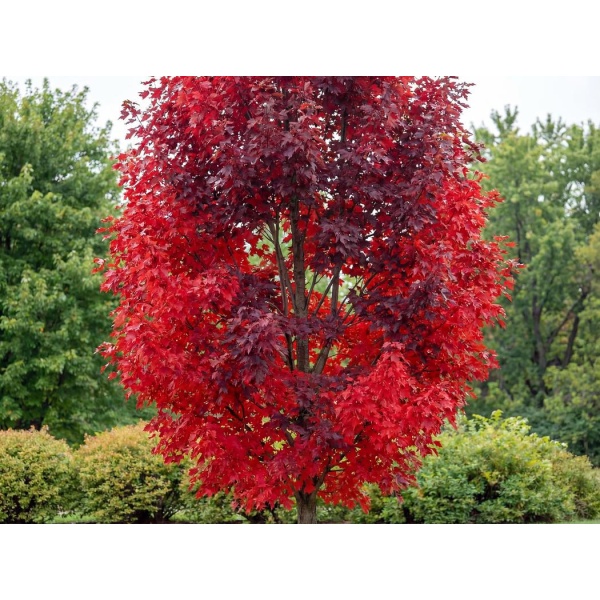
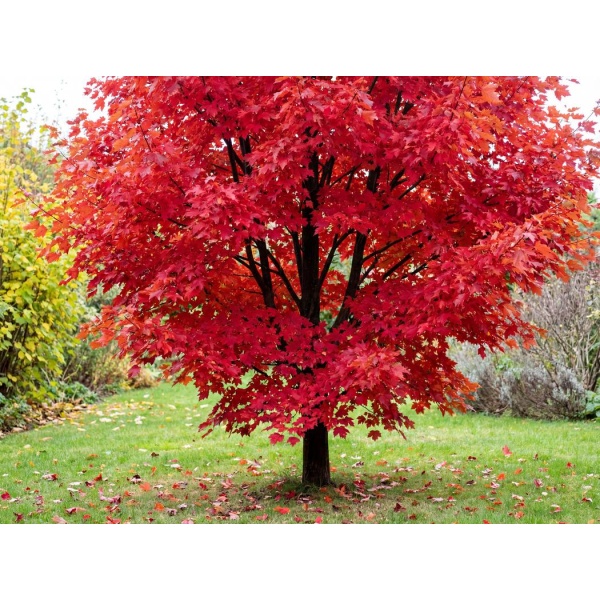
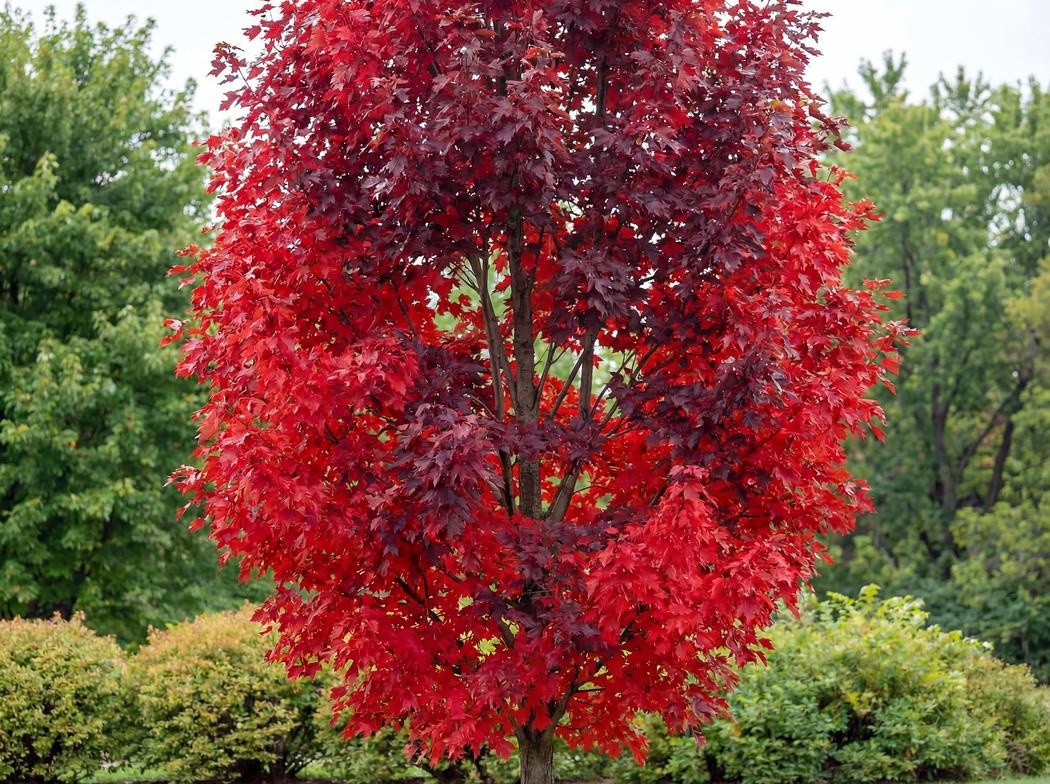
Acer rubrum Brandywine forms an oval shade tree with dark green leaves that turn brilliant red and purple-red in fall, and its male flowers produce no fruit.
- Description
- Additional information
Description
Brilliant fall color gives Acer rubrum Brandywine its strongest garden display. Dark green leaves turn red, then purple-red, across a long autumn display on an oval, seedless shade tree.
This tree grows about 40 feet tall and 30 feet wide. Plant it in moist but well-drained, acid to neutral soil with partial shade, and prune only if needed from late fall to midwinter. Wilted leaves are toxic to horses; keep fallen or storm-damaged foliage away from them.
Additional information
| Height | 40 ft – 40 ft |
|---|---|
| Spread | 30 ft – 30 ft |
| Flowering months | March, April |
| Synonyms | Acer rubrum 'Brandywine' |
| Family | Sapindaceae |
| Hazardous | yes |
| Variegated | unknown |
| Color flower spring | Red |
| Aspect | East, South, West, North |
| Foliage | Deciduous |
| Habit | Columnar upright |
| Moisture | Moist but Well Drained |
| Ph | Acid, Neutral |
| Position | Full shade, Partial shade |
| Shape | Oval |
| Suggest planting location | Architectural planting |
| Type | Tree |
| Use for | Architectural, Bee-Friendly, Butterfly-Friendly |
| Years to max height | 20 |
| Soil | Clay, Loam, Sand |
| Local names | Brandywine Red Maple, Carolina Maple, Red Maple, Scarlet Maple, Soft Maple, Swamp Maple |
| Blomidon Item No | MO23083918, ACERUB25020G, ACERUBW22510G, ACERUBW22515G, 201994295, 202066652 |
| Cultivation | Grow in moist but well-drained clay, loam, or sandy soil in partial or full shade. Use an acid to neutral soil and a sheltered position. |
| Usps | Brilliant red foliage deepens to purple-red in fall., Its oval, seedless canopy provides shade without fruit., Grow in partial shade and moist, well-drained soil. |
| Pests | Acer gall mites, aphids, caterpillars, and horse chestnut scale may occur. |
| Diseases | Verticillium wilt, Acer leaf scorch, and honey fungus may occur. |
| Pruning | Prune only if necessary from late fall to midwinter. |
| Hazardous information | Wilted leaves are toxic to horses; keep fallen or storm-damaged foliage away from them. |
| Watering instructions | Keep the soil moist but well drained. |
| Sunlight instructions | Grow in partial or full shade in a sheltered position. |