
Acer freemanii Autumn Fantasy
$419.99
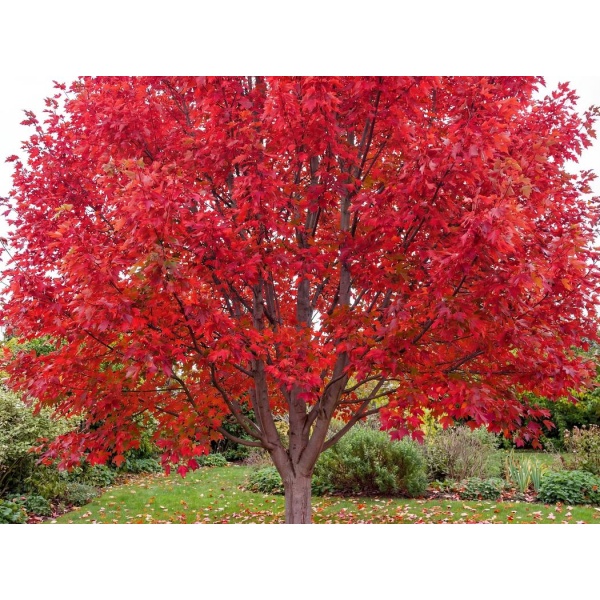
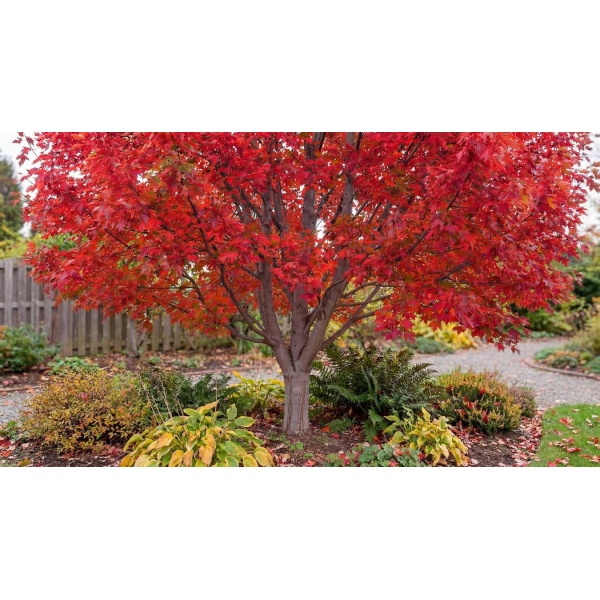
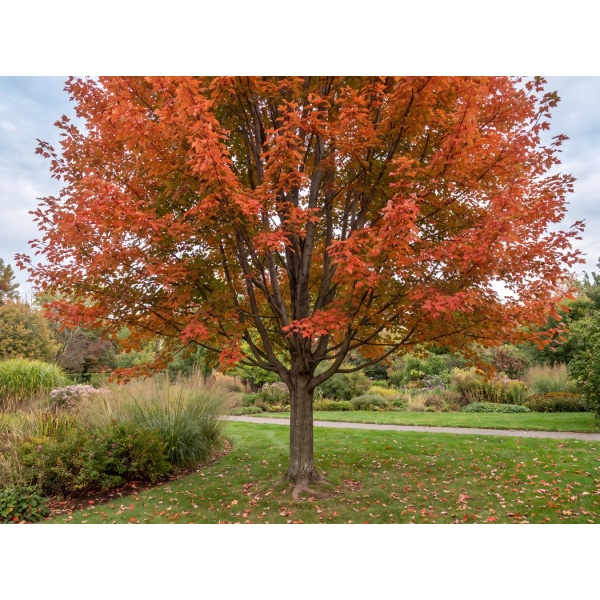
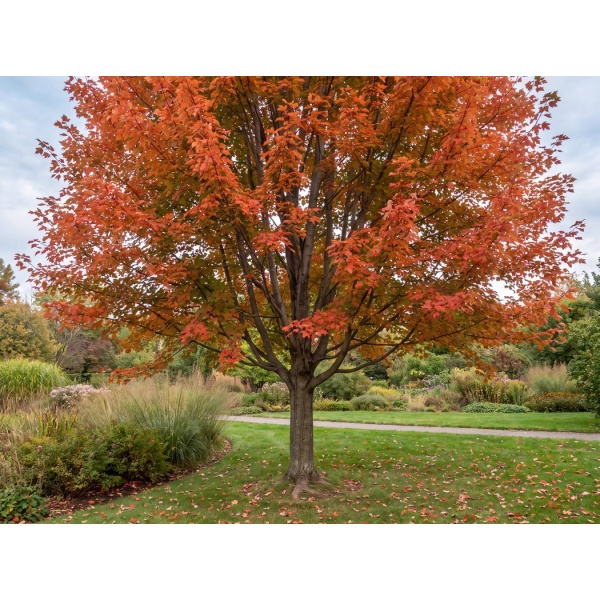
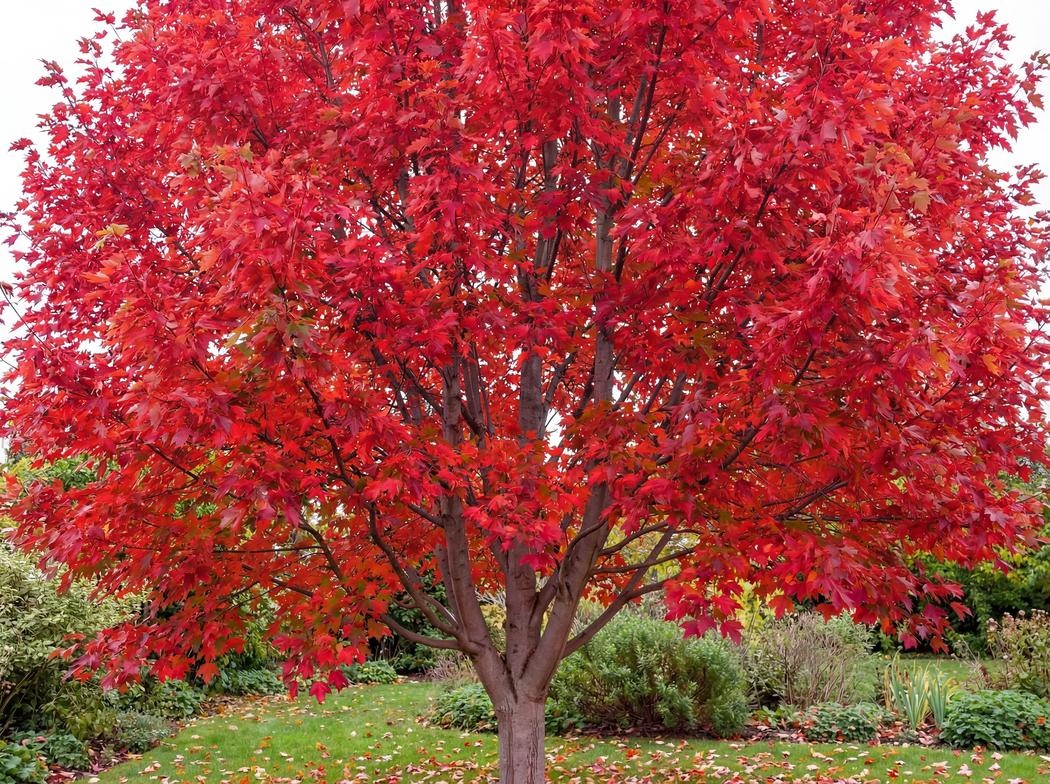
Acer freemanii DTR 102 forms a broad, fast-growing shade canopy and finishes the season with dependable ruby-red foliage.
- Description
- Additional information
Description
A broad canopy and dependable ruby-red fall color make Acer freemanii DTR 102 a strong shade tree for lawns and streets. Its ascending branches form an oval crown, while deeply lobed green leaves create dense summer cover before turning red together in fall.
Plant it in full sun or partial shade where there is ample room for its mature spread. Moist, well-drained soil supports the best growth, though established trees tolerate some drought and varied soil conditions. Water regularly during the first year and maintain a central leader as the young tree develops.
The dense crown offers habitat for birds and small mammals. Freeman maple leaves are potentially toxic to horses if eaten, so keep fallen foliage away from grazing areas.
Additional information
| Height | 74 ft – 74 ft |
|---|---|
| Spread | 54 ft – 54 ft |
| Flowering months | April |
| Synonyms | Acer freemani DTR 102, Acer freemanii Autumn Fantasy |
| Family | Sapindaceae |
| Hazardous | yes |
| Variegated | unknown |
| Color flower spring | Red |
| Aspect | East, South, West |
| Foliage | Deciduous |
| Habit | Bushy |
| Moisture | Moist but Well Drained |
| Ph | Acid, Neutral |
| Position | Full sun, Partial shade |
| Shape | Oval |
| Suggest planting location | Low maintenance planting, Urban and courtyard gardens, Wildlife friendly gardens |
| Type | Tree |
| Use for | Architectural, Bird-Friendly, Low maintenance |
| Drought resistance | yes |
| Soil | Clay, Loam, Sand |
| Local names | Autumn Fantasy Maple, Freeman Maple |
| Blomidon Item No | ACEFRAF0060WB |
| Usps | Uniform ruby-red fall foliage fills the broad oval crown., Fast growth builds shade for lawns and streets., Full sun and moist, well-drained soil support the best growth. |
| Propagation | Propagate clonally by chip budding. |
| Pests | Leafhoppers, borers, scale, and cosmetic leaf galls may occur, especially on young trees. |
| Diseases | Verticillium wilt and tar spot may occur. Remove and dispose of fallen leaves where tar spot is troublesome. |
| Pruning | Select and maintain a central leader while the tree is young, checking structure every three to five years. Remove dead, damaged, or diseased branches during winter dormancy. |
| Hazardous information | Freeman maple leaves are potentially toxic to horses if eaten. Keep fallen foliage away from grazing areas. |
| Watering instructions | Water regularly during establishment; mature trees tolerate some drought. |
| Sunlight instructions | Plant in full sun or partial shade with open crown exposure. |