
Pyrus ‘Summercrisp’

$199.99
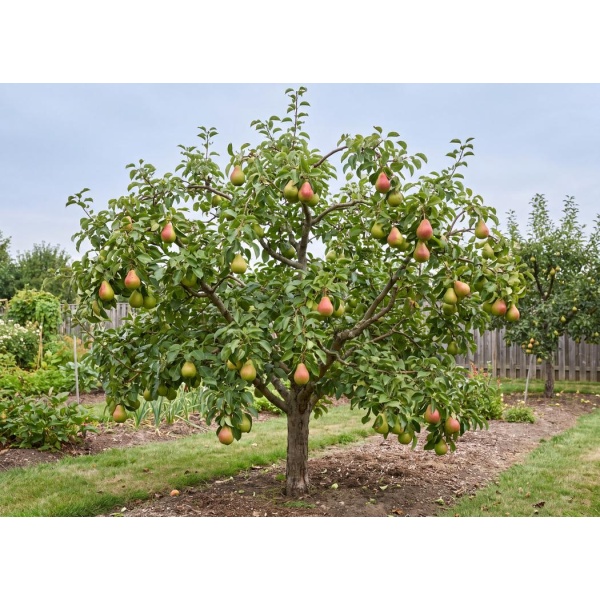
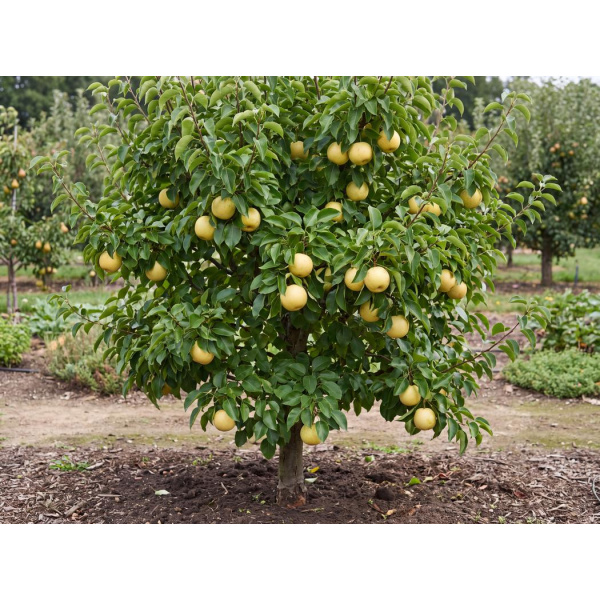
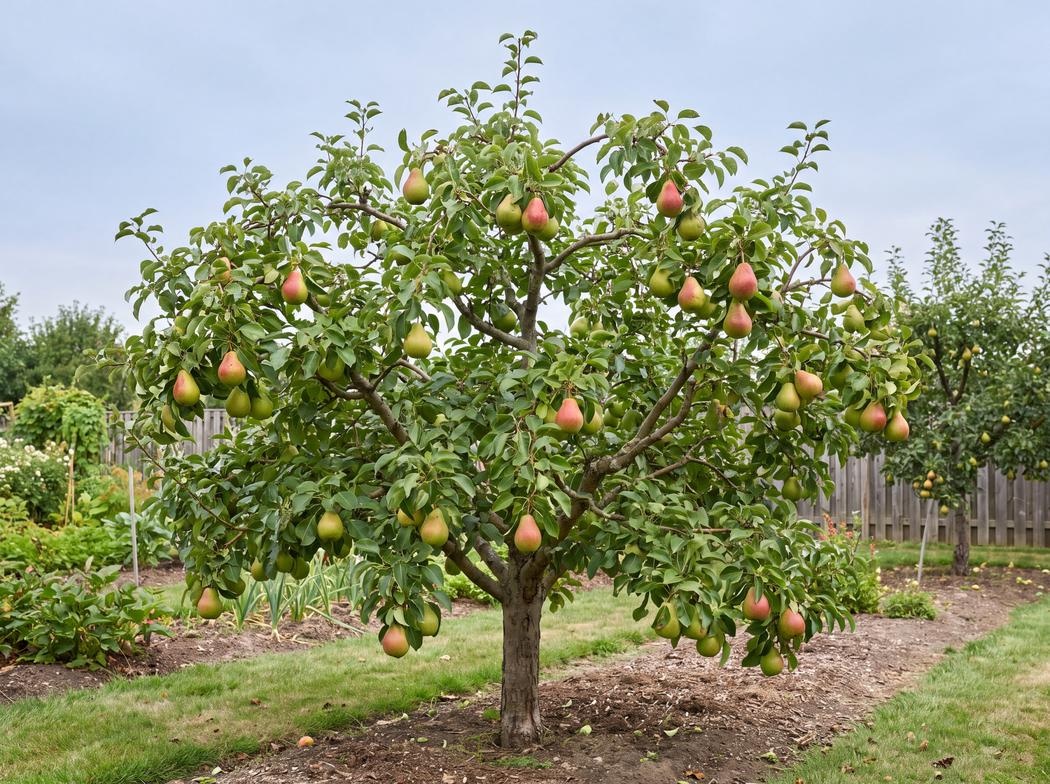
Pyrus Summercrisp produces crisp, mildly sweet green pears with a red blush in mid-August, pairing a cold-hardy fruit tree with white spring bloom and reliable home-orchard use.
- Description
- Additional information
Description
Pyrus Summercrisp brings an early pear harvest to a sunny home orchard, with crisp, mildly sweet green fruit blushed red and ready in mid-August. White flower clusters open in spring, and another compatible pear nearby is needed for dependable fruit set.
This cold-hardy tree matures to about 15 to 20 feet tall and wide in well-drained, evenly moist soil. Harvest the pears while they remain green, firm, and red-blushed, then refrigerate them promptly. Pear seeds and other nonfruit plant parts contain cyanogenic compounds; discard cores and keep prunings away from children and pets.
Additional information
| Height | 15 ft – 20 ft |
|---|---|
| Spread | 15 ft – 20 ft |
| Flowering months | April |
| Synonyms | Pyrus 'Summercrisp', Pyrus communis Summercrisp |
| Family | Rosaceae |
| Hazardous | yes |
| Variegated | unknown |
| Color flower spring | White |
| Aspect | South, West |
| Foliage | Deciduous |
| Habit | Bushy |
| Moisture | Moist but Well Drained |
| Ph | Acid, Neutral |
| Position | Full sun |
| Shape | Round |
| Suggest planting location | Urban and courtyard gardens, Edible fruit plants, Wildlife friendly gardens |
| Type | Tree |
| Use for | Bird-Friendly, Pollinator-Friendly, Edible |
| Soil | All types |
| Harvest in | 8 |
| Local names | Summercrisp pear |
| Blomidon Item No | PRUCOSU0007G |
| Usps | Crisp green pears develop a distinct red blush by mid-August., A hardy fruit tree for cold-climate home orchards., Full sun and evenly moist, well-drained soil support fruiting. |
| Propagation | Propagate by grafting or budding onto a clonal rootstock. |
| Pests | Pear psylla, codling moth, and borers may occur. |
| Diseases | Summercrisp resists fire blight, but anthracnose, canker, scab, and powdery mildew may occur. |
| Pruning | Remove dead, damaged, diseased, crossing, and crowded branches in late winter or early spring before growth begins. |
| Hazardous information | Pear seeds and other nonfruit plant parts contain cyanogenic compounds. Discard cores and keep prunings away from children and pets. |
| Watering instructions | Keep roots evenly moist, then water deeply during dry spells. |
| Sunlight instructions | Plant in full sun with the canopy clear of nearby structures. |