
Malus ‘Cortland’
$174.99
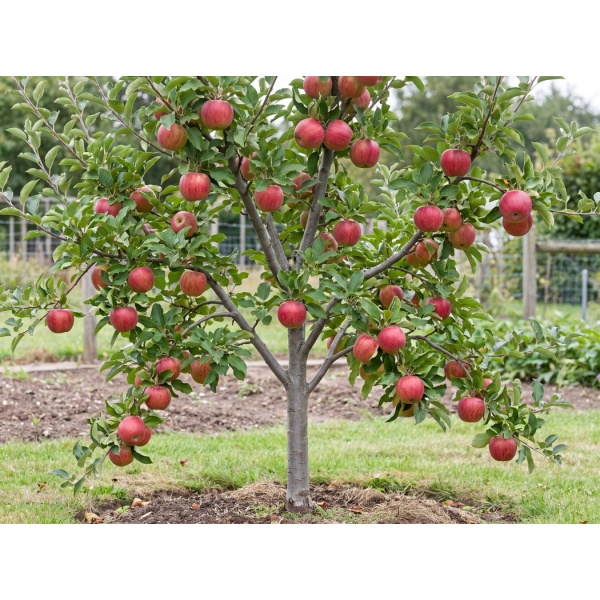
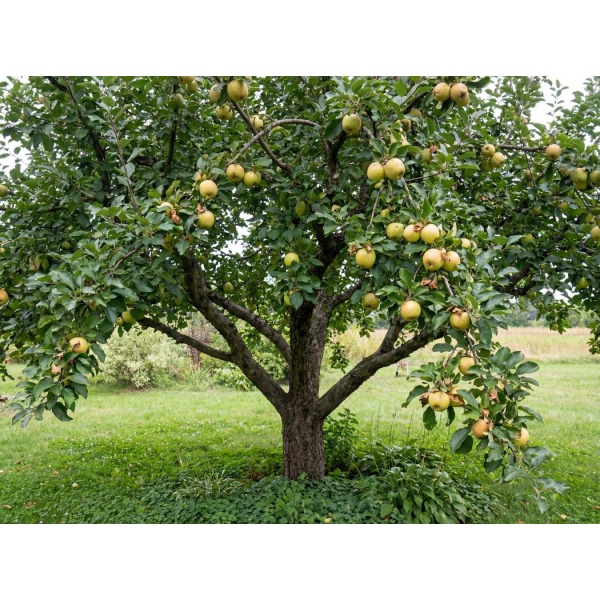
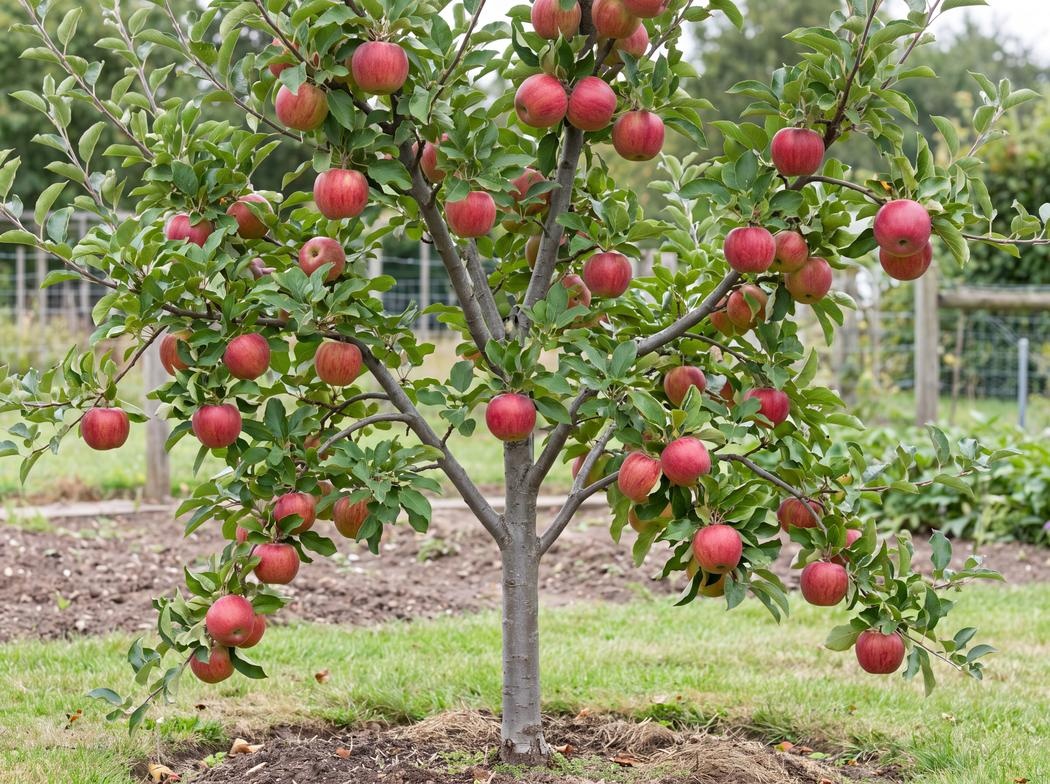
Malus domestica Cortland is a productive apple tree bearing medium to large red fruit with crisp, juicy white flesh that resists browning after cutting.
- Description
- Additional information
Description
Malus domestica Cortland is a productive mid-season apple with roundish, slightly flattened fruit colored red over yellow streaks. Its crisp, juicy white flesh has a sweet-tart flavor and resists browning, making it useful fresh, in salads, and for cooking or baking.
Grow a grafted tree in full sun and moist, well-drained soil. Plant a compatible apple cultivar with overlapping bloom nearby, prune during late-winter dormancy, and monitor regularly for common apple pests and diseases.
Additional information
| Height | 8 ft – 12 ft |
|---|---|
| Spread | 8 ft – 12 ft |
| Flowering months | April, May |
| Synonyms | Malus 'Cortland', Malus Cortland |
| Family | Rosaceae |
| Hazardous | unknown |
| Variegated | unknown |
| Color flower spring | White, Pink |
| Aspect | South, West |
| Foliage | Deciduous |
| Habit | Bushy, Columnar upright |
| Moisture | Moist but Well Drained |
| Ph | Acid, Neutral |
| Position | Full sun |
| Shape | Round, Upright |
| Suggest planting location | Edible fruit plants, Cottage and informal gardens, Wildlife friendly gardens |
| Type | Fruit |
| Use for | Bird-Friendly, Pollinator-Friendly, Edible |
| Soil | Clay, Loam, Sand |
| Harvest in | 9 |
| Local names | Cortland Apple |
| Blomidon Item No | MALACO0007G |
| Usps | Red apples keep their white flesh bright after slicing., Crisp, juicy fruit works for fresh eating, salads, and baking., Full sun and a compatible pollinizer support heavy mid-season crops. |
| Drought resistance | moderate |
| Propagation | Graft dormant Cortland scion wood onto a suitable apple rootstock to preserve the cultivar. |
| Pests | Monitor for aphids, codling moth, and apple maggot, and remove damaged fruit promptly. |
| Diseases | Provide an open canopy and routine orchard hygiene to reduce apple scab, powdery mildew, and fire blight pressure. |
| Pruning | Prune in late winter after severe cold has passed, removing damaged, crossing, and crowded wood while retaining productive fruiting spurs. |
| Hazardous information | Apple seeds contain amygdalin, which the body can convert to cyanide. Discard cores, remove seeds from recipes, and do not let children or pets eat the seeds. |
| Watering instructions | Water deeply during establishment and dry periods; avoid saturated soil. |
| Sunlight instructions | Plant in full sun for reliable flowering, fruit color, and ripening. |
| Years to max height | 10 |
| Common Name | Cortland Apple |