
Taxus cuspidata ‘Capitata’
$341.99
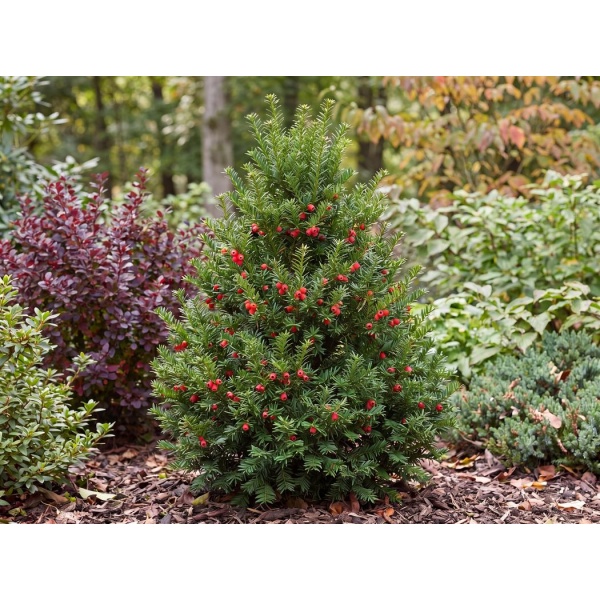
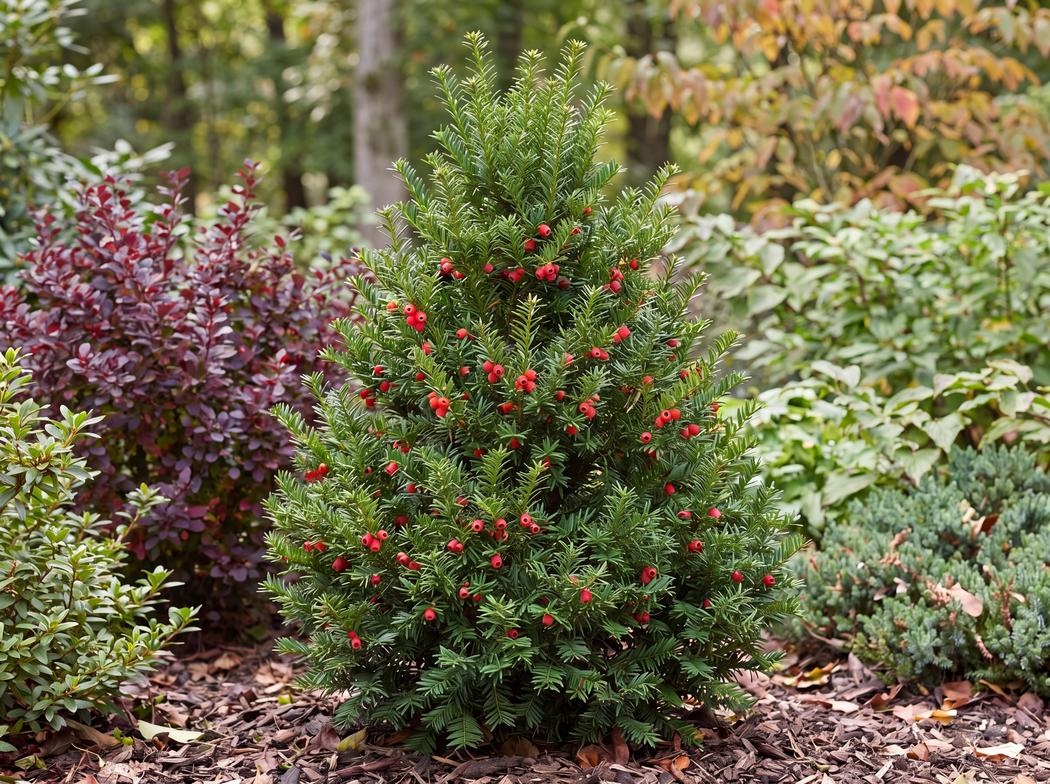
A dense, pyramidal large evergreen shrub or small tree with beautiful deep green needles, maintains its habit into old age, ideal for small-scale articulation in home landscapes; takes pruning exceptionally well; one of the few evergreens that loves shade
- Description
- Additional information
Description
A dense, pyramidal large evergreen shrub or small tree with beautiful deep green needles, maintains its habit into old age, ideal for small-scale articulation in home landscapes; takes pruning exceptionally well; one of the few evergreens that loves shade
Upright Japanese Yew is a dense multi-stemmed evergreen shrub with a distinctive and refined pyramidal form. Its relatively fine texture sets it apart from other landscape plants with less refined foliage.
This is a relatively low maintenance shrub, and can be pruned at anytime. It has no significant negative characteristics.
Upright Japanese Yew is a dwarf conifer which is primarily valued in the landscape for its distinctively pyramidal habit of growth. It has dark green evergreen foliage which emerges light green in spring. The ferny sprays of foliage remain dark green throughout the winter. The fruits are showy red drupes displayed from early to late fall. The peeling brown bark adds an interesting dimension to the landscape.
Upright Japanese Yew will grow to be about 15 feet tall at maturity, with a spread of 10 feet. It has a low canopy, and is suitable for planting under power lines. It grows at a slow rate, and under ideal conditions can be expected to live for 70 years or more.
This shrub performs well in both full sun and full shade. However, you may want to keep it away from hot, dry locations that receive direct afternoon sun or which get reflected sunlight, such as against the south side of a white wall. It does best in average to evenly moist conditions, but will not tolerate standing water. It is not particular as to soil type or pH. It is highly tolerant of urban pollution and will even thrive in inner city environments, and will benefit from being planted in a relatively sheltered location. Consider applying a thick mulch around the root zone in winter to protect it in exposed locations or colder microclimates. This is a selected variety of a species not originally from North America, and parts of it are known to be toxic to humans and animals, so care should be exercised in planting it around children and pets.
Additional information
| Common Name | Upright Japanese Yew |
|---|---|
| Height | 13 ft – 26 ft |
| Spread | 8 ft – 13 ft |
| Flowering months | March, April |
| Synonyms | Taxus baccata subsp. cuspidata, Taxus baccata var. cuspidata, Taxus cuspidata Aurescens, Taxus cuspidata Globe |
| Family | Taxaceae |
| Hazardous | yes |
| Variegated | no |
| Color flower spring | Green, Yellow |
| Aspect | East, South, West, North |
| Foliage | Evergreen |
| Habit | Bushy |
| Moisture | Moist but Well Drained, Well Drained Soil |
| Ph | Acid, Alkaline, Neutral |
| Position | All conditions |
| Shape | Upright, Spreading |
| Suggest planting location | Low maintenance planting, Architectural planting, Hedges and screening plants |
| Type | Conifer |
| Use for | Structural, Hedge, Screen |
| Years to max height | 20 |
| Drought resistance | yes |
| Cultivation | Grow in full sun to shade in moist, freely draining soil. Mulch over the shallow root area and water during extended dry periods. Keep the crown away from waterlogged ground. |
| Soil | Loam, Sand |
| Local names | Japanese yew |
| Usps | Dense dark green needles provide year-round structure., It responds well to clipping for hedges and screens., It grows from full sun to shade in moist, well-drained soil. |