
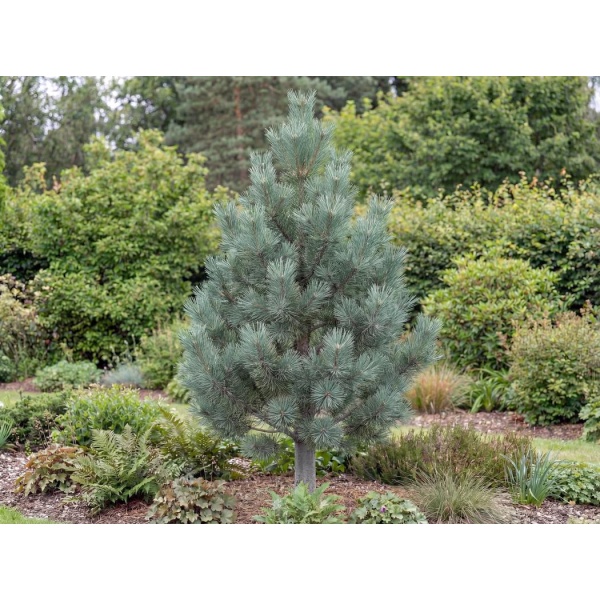
Pinus cembra ‘Glauca’
$659.99
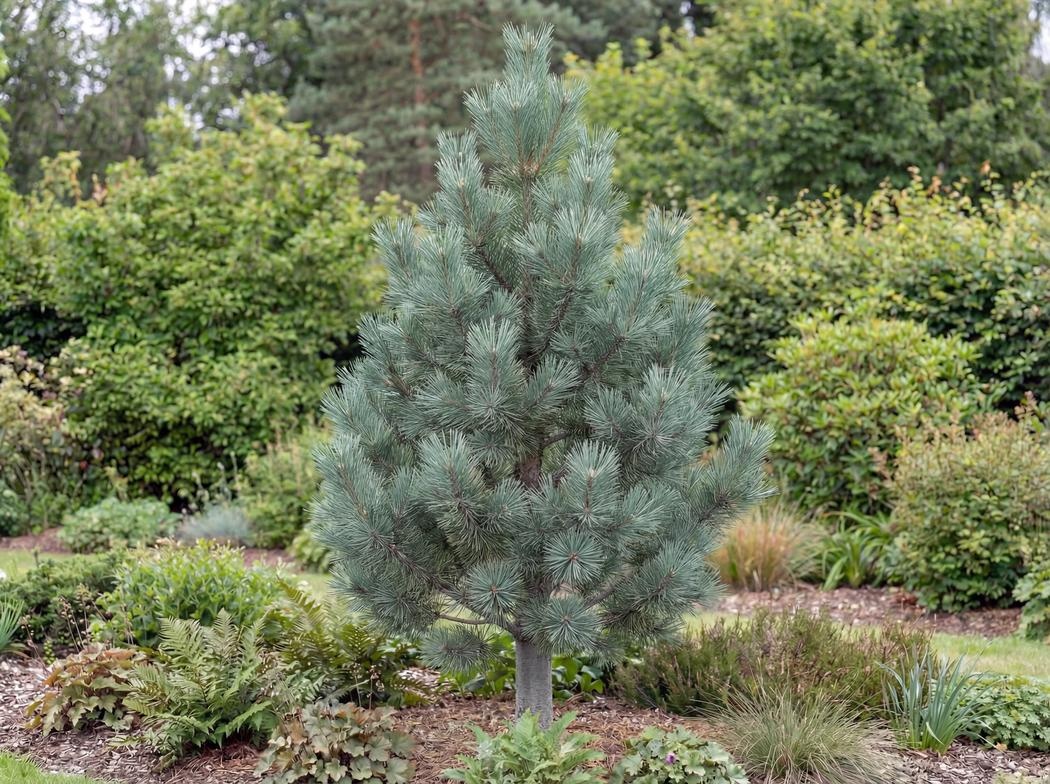
Pinus cembra Glauca Group brings year-round silver-blue needles and a dense pyramidal outline to sunny rock gardens and spacious containers.
- Description
- Additional information
Description
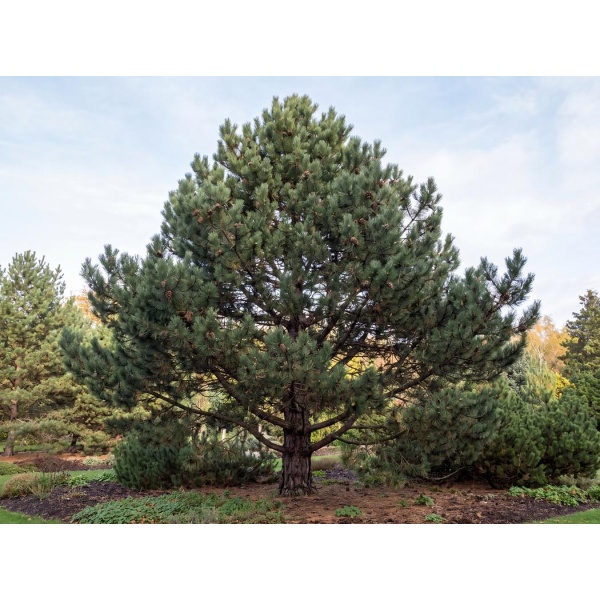
Silver-blue needles give Pinus cembra Glauca Group a cool, bright presence in every season. Its slow growth and dense pyramidal shape make it useful as a structured focal point in a sunny rock garden or a large container.
Plant it in well-drained, slightly acidic to neutral soil and keep the soil evenly moist while it establishes. Once settled, it tolerates some dryness. Pruning is rarely needed; remove only dead or damaged branches and correct competing leaders when young.
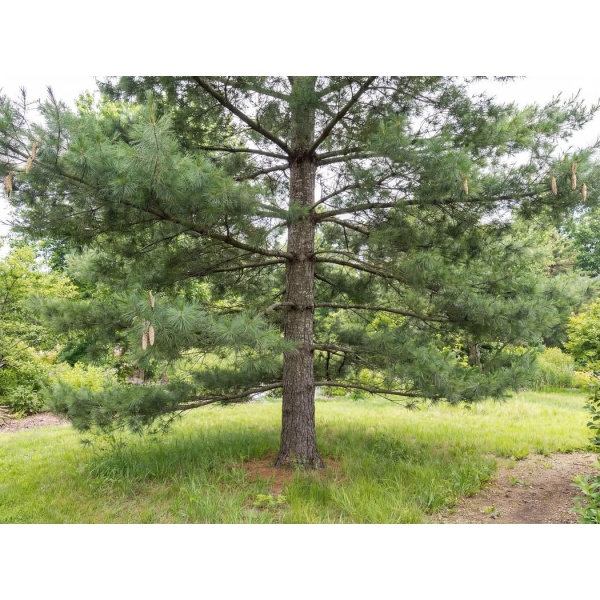
Mature cones shift from purple to brown and hold edible seeds. Choose a roomy, cool site with good air circulation and shelter from damaging winds.
Additional information
| Height | 10 ft – 16 ft |
|---|---|
| Spread | 10 ft – 16 ft |
| Synonyms | Pinus cembra 'Glauca', Pinus cembra Glauca |
| Family | Pinaceae |
| Hazardous | unknown |
| Variegated | unknown |
| Aspect | South, West |
| Foliage | Evergreen |
| Habit | Compact |
| Moisture | Moist but Well Drained |
| Ph | Acid, Neutral |
| Position | Full sun, Partial shade |
| Scent | Fragrant Light |
| Shape | Column, Pyramidal |
| Suggest planting location | Patio and container use, Rock and alpine gardens, Formal Garden |
| Type | Conifer |
| Use for | Sensory, Low maintenance, Container Planting |
| Drought resistance | moderate |
| Soil | Clay, Loam, Sand |
| Harvest in | 8, 9, 10 |
| Local names | Blue Swiss Stone Pine |
| Blomidon Item No | 134880, 129421, MO23012973, PINCEMG0175WB, 201797002 |
| Usps | Silver-blue needles keep their color through every season., Slow, compact growth suits rock gardens and large containers., Full sun and moist, well-drained soil support dense growth. |
| Propagation | Sow seed in containers in a cold frame in spring, or root semi-ripe cuttings from vigorous young growth in summer or early autumn. |
| Pests | Aphids, caterpillars, borers, bark beetles, miners, scale, mealybugs, and sawflies may occur. |
| Diseases | Blights, rots, canker, rusts, honey fungus, and needle cast may occur. |
| Pruning | Remove dead or damaged branches in late winter or early spring; otherwise let the natural pyramidal form develop without routine pruning. |
| Watering instructions | Water regularly while the tree establishes, then water during dry periods and avoid waterlogged soil. |
| Sunlight instructions | Grow in full sun or light partial shade in an open site with good air circulation. |