
Thuja occidentalis Nigra

$399.99
An extremely hardy and rugged northern evergreen; the species is typically a tall, pyramidal tree with reddish peeling bark, very attractive, however foliage tends to yellow in winter; numerous and diverse cultivars are available
- Description
- Additional information
Description
An extremely hardy and rugged northern evergreen; the species is typically a tall, pyramidal tree with reddish peeling bark, very attractive, however foliage tends to yellow in winter; numerous and diverse cultivars are available
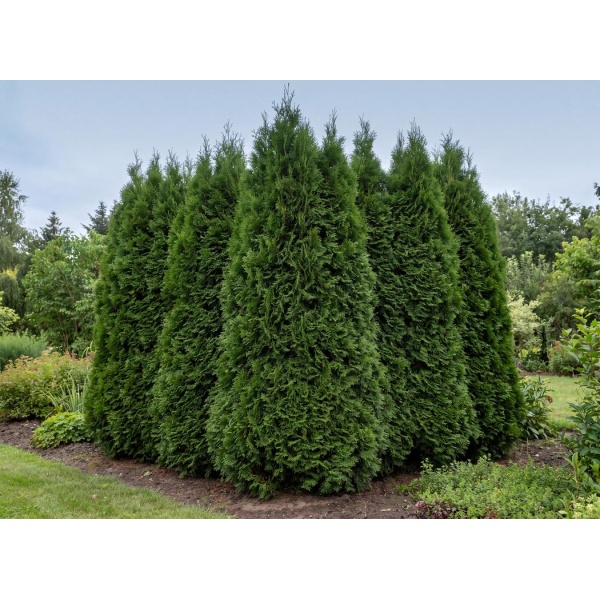
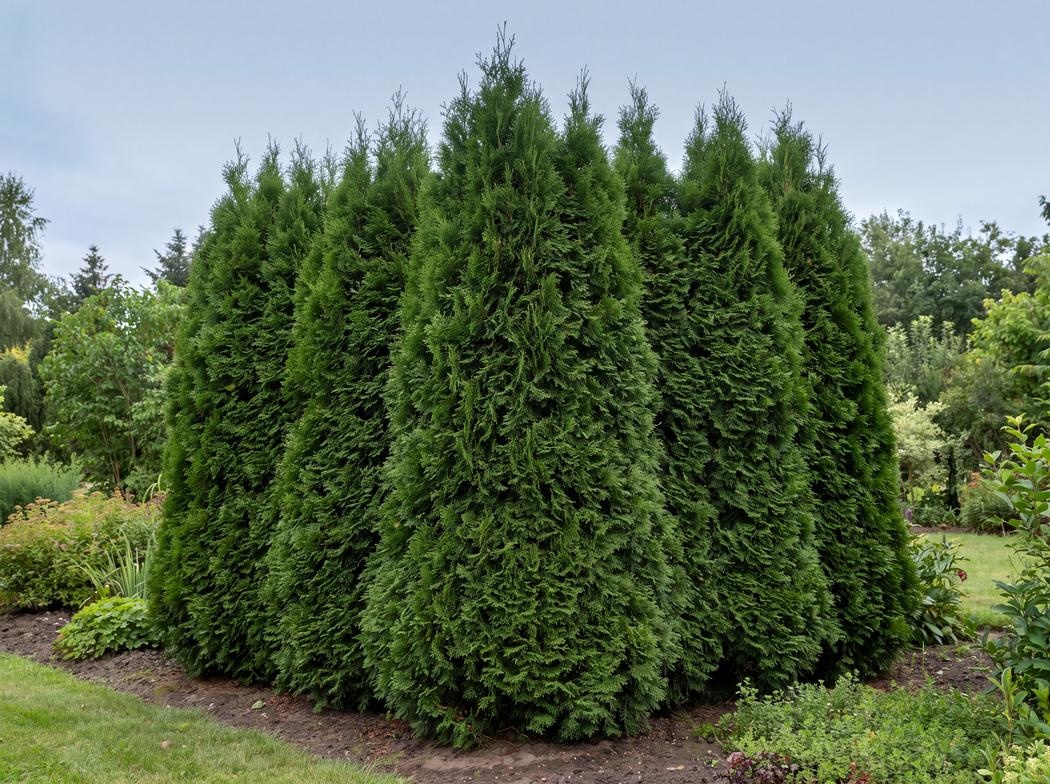
Arborvitae is a dense evergreen tree with a strong central leader and a distinctive and refined pyramidal form. Its relatively fine texture sets it apart from other landscape plants with less refined foliage.
This is a relatively low maintenance tree. When pruning is necessary, it is recommended to only trim back the new growth of the current season, other than to remove any dieback. It has no significant negative characteristics.
Arborvitae is primarily valued in the landscape for its distinctively pyramidal habit of growth. It has rich green evergreen foliage. The scale-like sprays of foliage remain green throughout the winter. The shaggy antique red bark adds an interesting dimension to the landscape.
Arborvitae will grow to be about 30 feet tall at maturity, with a spread of 20 feet. It has a low canopy with a typical clearance of 2 feet from the ground, and should not be planted underneath power lines. It grows at a slow rate, and under ideal conditions can be expected to live for 50 years or more.
This tree does best in full sun to partial shade. It is quite adaptable, prefering to grow in average to wet conditions, and will even tolerate some standing water. It is not particular as to soil type or pH. It is somewhat tolerant of urban pollution, and will benefit from being planted in a relatively sheltered location. Consider applying a thick mulch around the root zone in winter to protect it in exposed locations or colder microclimates. This species is native to parts of North America.
Additional information
| Height | 15 ft – 25 ft |
|---|---|
| Spread | 5 ft – 8 ft |
| Synonyms | Thuja occidentalis 'Nigra' |
| Family | Cupressaceae |
| Hazardous | yes |
| Variegated | unknown |
| Aspect | East, South, West |
| Foliage | Evergreen |
| Habit | Columnar upright |
| Moisture | Moist but Well Drained |
| Ph | Acid, Alkaline, Neutral |
| Position | Full sun, Partial shade |
| Shape | Pyramidal |
| Suggest planting location | Low maintenance planting, Wall and boundary borders, Architectural planting, Hedges and screening plants, Formal Garden |
| Type | Conifer |
| Use for | Hedge, Screen, Foundation Planting |
| Cultivation | Plant in full sun to partial shade in moist, well-drained loam or clay. Water regularly during dry spells and avoid sites with strong wind. |
| Soil | Clay, Loam |
| Local names | Dark Green Arborvitae, American Arborvitae, Eastern Arborvitae, Eastern White-cedar, Northern White-cedar |
| Blomidon Item No | 125366, 148567, THUOCN0150WB, THUOCN03G, THUOCN05G, THUOCN07G, THUOCN175WB, THUOCN200WB, THUOCN225WB, THUOCN250WB |
| Usps | Dense dark green foliage holds its color through winter., Its narrow pyramidal habit makes a dependable hedge or screen., Full sun to partial shade with moist, well-drained soil suits it. |