
Fagus sylvatica
$499.99
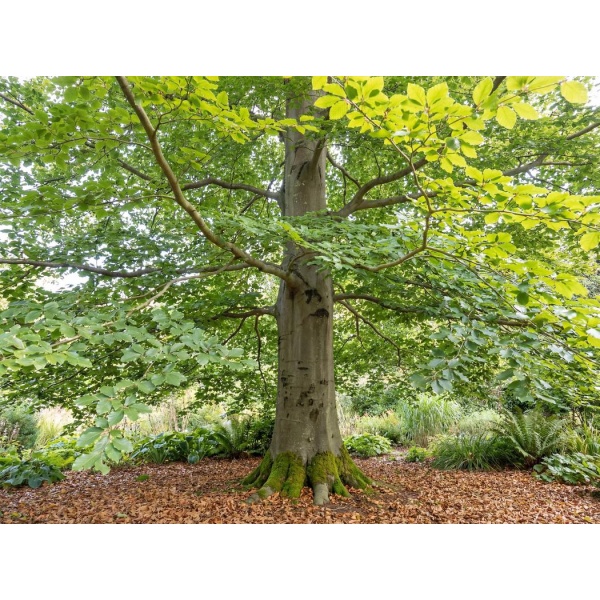
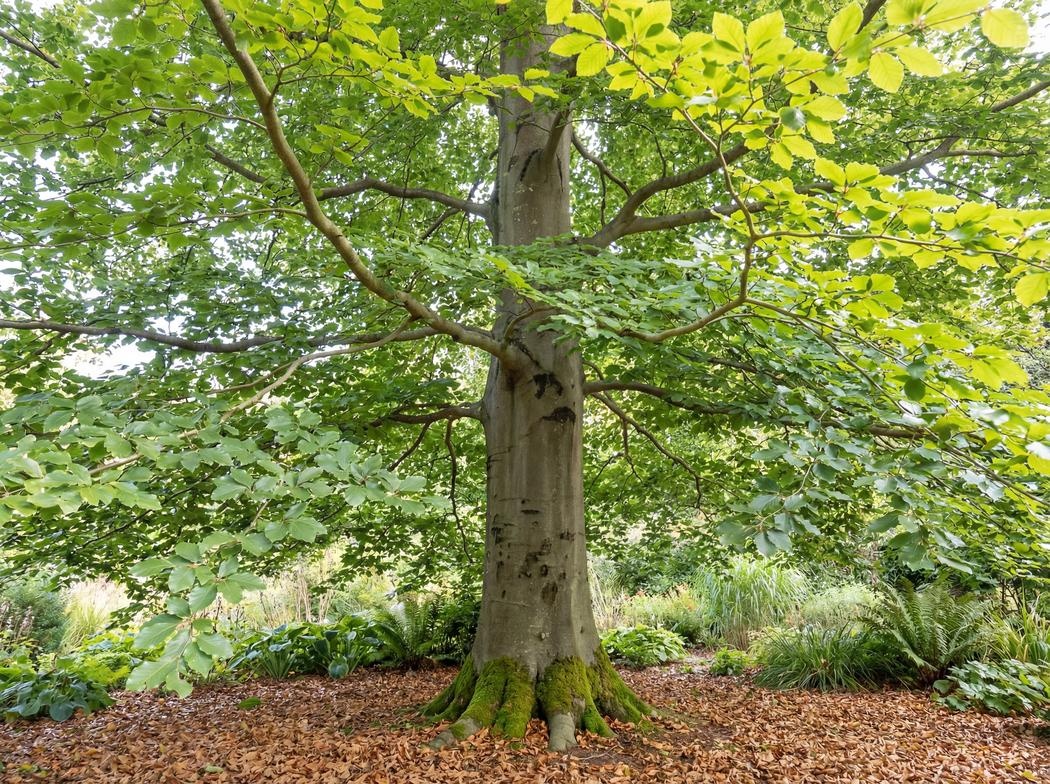
Fagus sylvatica grows into a broad shade tree whose green leaves turn golden copper and russet brown in fall.
- Description
- Additional information
Description
A broad, low-branching crown makes Fagus sylvatica a substantial shade tree for spacious lawns, parks, and large gardens. Green leaves turn golden copper to russet brown in fall, when bristly husks hold triangular beechnuts.
Plant in full sun or partial shade in moist, freely drained soil and allow room for the mature crown. The nuts are edible when properly cooked, but raw or unripe nuts are toxic if eaten; keep fallen nuts away from pets.
Additional information
| Height | 50 ft – 98 ft |
|---|---|
| Spread | 35 ft – 49 ft |
| Flowering months | April, May |
| Synonyms | Castanea fagus, Fagus cuprea |
| Family | Fagaceae |
| Hazardous | yes |
| Variegated | unknown |
| Color flower spring | Green, Red, Brown, Yellow |
| Aspect | East, South, West, North |
| Foliage | Deciduous |
| Habit | Bushy |
| Moisture | Moist but Well Drained, Well Drained Soil |
| Ph | Acid, Alkaline, Neutral |
| Position | Full sun, Partial shade |
| Shape | Oval, Round, Spreading |
| Suggest planting location | Architectural planting, Hedges and screening plants, Cottage and informal gardens, Wildlife friendly gardens |
| Type | Tree |
| Use for | Architectural, Hedge, Bird-Friendly |
| Years to max height | 20 |
| Drought resistance | no |
| Soil | Chalk, Clay, Loam, Sand |
| Local names | Common Beech, European Beech |
| Cultivation | Plant in full sun or partial shade in moist, freely drained chalk, clay, loam, or sandy soil. Allow room for the broad crown and avoid waterlogged sites. |
| Usps | Green leaves turn golden copper to russet brown in fall., Its broad crown provides shade in large gardens and parks., Grow in full sun or partial shade in moist, well-drained soil. |
| Propagation | Sow ripe nuts soon after collection in late summer or fall. Replant seedlings after about 18 months. |
| Pests | Aphids, Japanese beetles, caterpillars, scales, and borers may occur, especially on stressed trees. |
| Diseases | Watch for canker, beech bark disease, powdery mildew, honey fungus, and bracket fungi. |
| Pruning | Trim established beech hedges in August to control size. Prune specimen trees between fall and early spring, keeping large cuts to a minimum. |
| Hazardous information | Raw or unripe nuts are toxic if eaten; keep fallen nuts away from pets. |
| Watering instructions | Keep soil moist but well drained, especially while roots establish. |
| Sunlight instructions | Grow in full sun or partial shade; full sun gives best color. |