
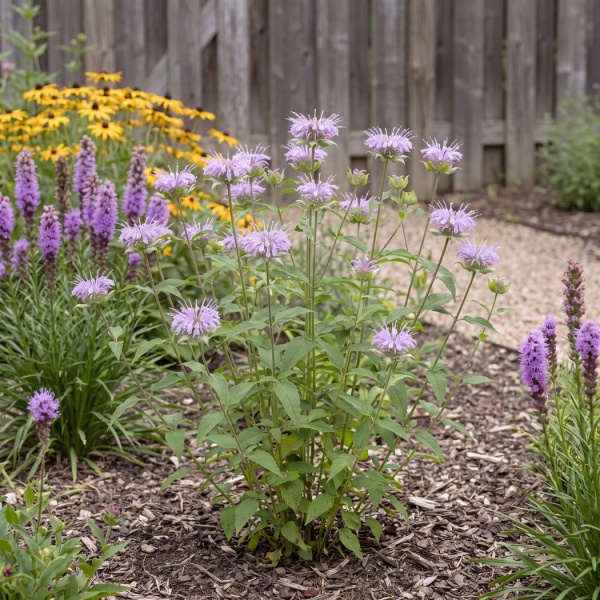
Monarda fistulosa
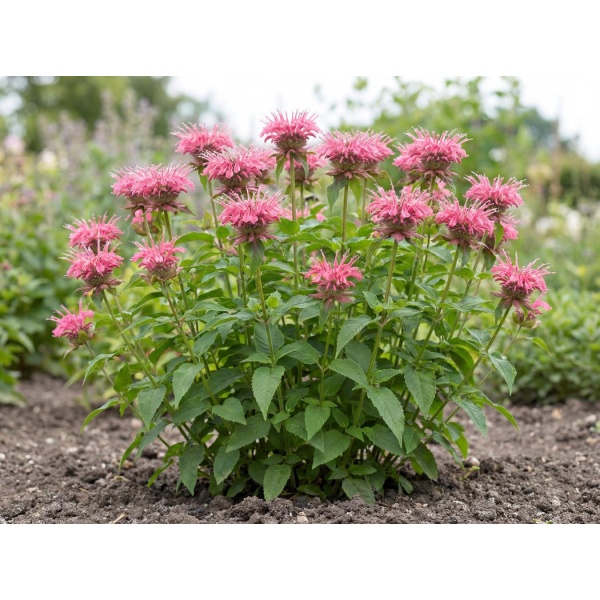
$21.99
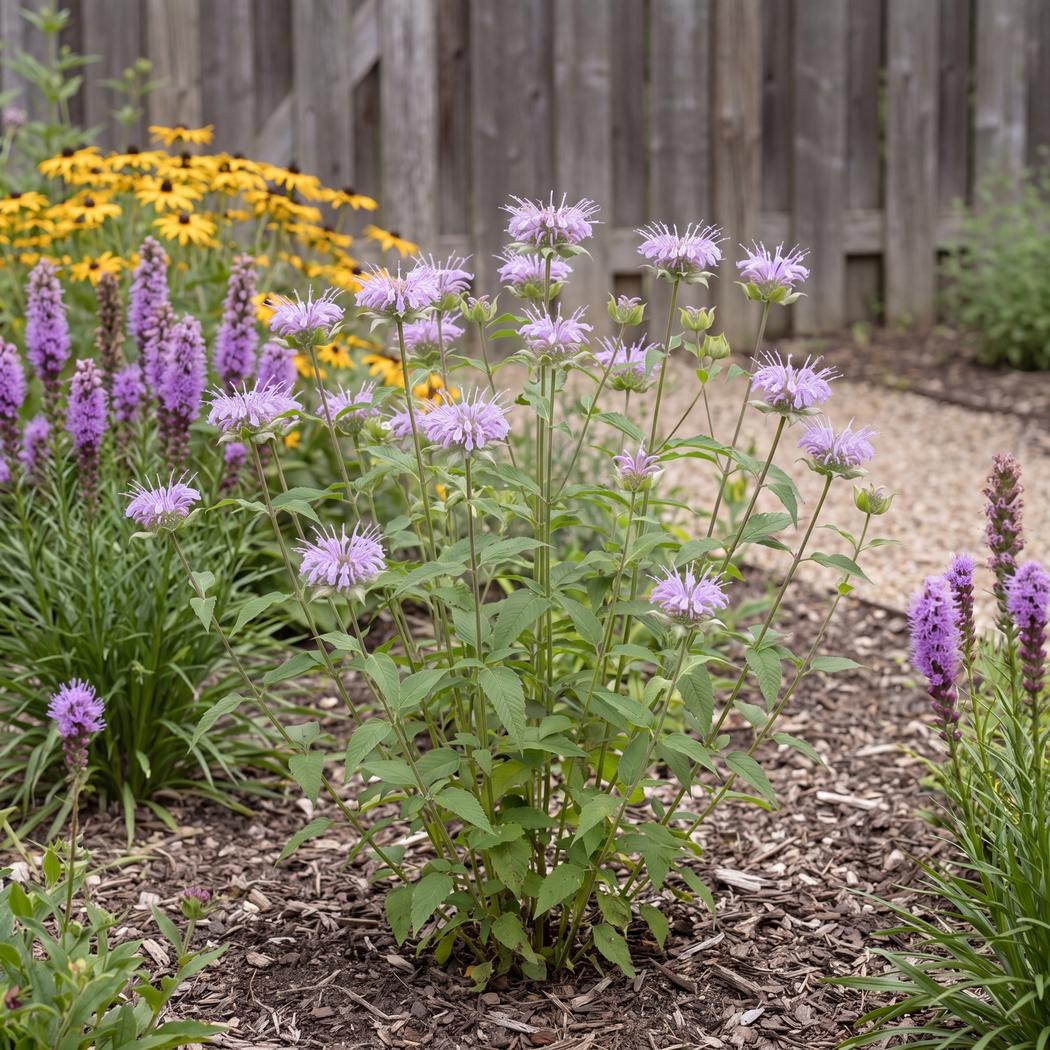
This wildflower variety produces pretty lavender-pink flowers in mid summer; best in dry to medium moisture soil; needs good air circulation; great for massing along borders
- Description
- Additional information
Description
This wildflower variety produces pretty lavender-pink flowers in mid summer; best in dry to medium moisture soil; needs good air circulation; great for massing along borders
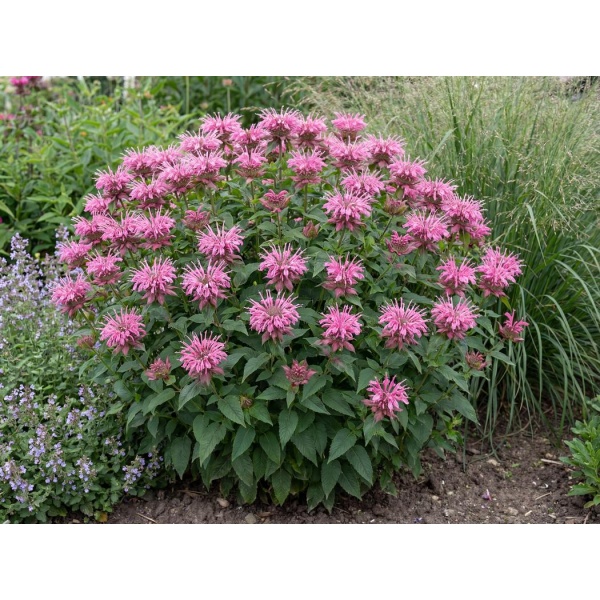
Wild Beebalm is an herbaceous perennial with a mounded form. Its medium texture blends into the garden, but can always be balanced by a couple of finer or coarser plants for an effective composition.
This plant will require occasional maintenance and upkeep. Trim off the flower heads after they fade and die to encourage more blooms late into the season. It is a good choice for attracting bees, butterflies and hummingbirds to your yard, but is not particularly attractive to deer who tend to leave it alone in favor of tastier treats. Gardeners should be aware of the following characteristic(s) that may warrant special consideration;
Wild Beebalm has masses of beautiful clusters of fragrant pink flowers with lavender overtones at the ends of the stems from mid summer to early fall, which are most effective when planted in groupings. The flowers are excellent for cutting. Its fragrant pointy leaves remain green in colour throughout the season.
Wild Beebalm will grow to be about 3 feet tall at maturity, with a spread of 3 feet. When grown in masses or used as a bedding plant, individual plants should be spaced approximately 30 inches apart. It grows at a fast rate, and under ideal conditions can be expected to live for approximately 5 years. As an herbaceous perennial, this plant will usually die back to the crown each winter, and will regrow from the base each spring. Be careful not to disturb the crown in late winter when it may not be readily seen!
This plant does best in full sun to partial shade. It prefers dry to average moisture levels with very well-drained soil, and will often die in standing water. It is not particular as to soil type or pH. It is highly tolerant of urban pollution and will even thrive in inner city environments. This species is native to parts of North America. It can be propagated by division.
Additional information
| Common Name | Wild Beebalm |
|---|---|
| Height | 2 ft – 4 ft |
| Spread | 2 ft – 3 ft |
| Flowering months | June, July, August, September |
| Synonyms | Monarda mollis, Monarda scabra |
| Family | Lamiaceae |
| Hazardous | unknown |
| Variegated | unknown |
| Color flower autumn | Purple, Pink |
| Color flower summer | Purple, Pink |
| Aspect | East, South, West |
| Foliage | Deciduous |
| Habit | Clump-former |
| Moisture | Moist but Well Drained, Well Drained Soil |
| Ph | Acid, Alkaline, Neutral |
| Position | Full sun, Partial shade |
| Scent | Fragrant |
| Shape | Upright |
| Suggest planting location | Pollinator Garden, Flowering borders, Cottage and informal gardens, Wildlife friendly gardens, Prairie style planting |
| Type | Perennial |
| Use for | Bee-Friendly, Butterfly-Friendly, Naturalizing |
| Years to max height | 2 |
| Drought resistance | yes |
| Cultivation | Grow in full sun or partial shade in moist but well-drained soil. Allow good airflow and water during extended dry periods. Deadhead for a longer display and divide established clumps when needed. |
| Soil | Clay, Loam |
| Local names | Wild Bergamot, Appalachian Bergamot, Bee Balm, Eastern Bergamot, Horsemint |
| Blomidon Item No | MO23020831, ZMONFI0001G |
| Usps | Lavender-pink flower heads feed bees, butterflies, and hummingbirds., Aromatic edible leaves can flavor tea., Full sun and well-drained soil support the strongest flowering. |