
Vaccinium corymbosum ‘Jersey’

$49.99
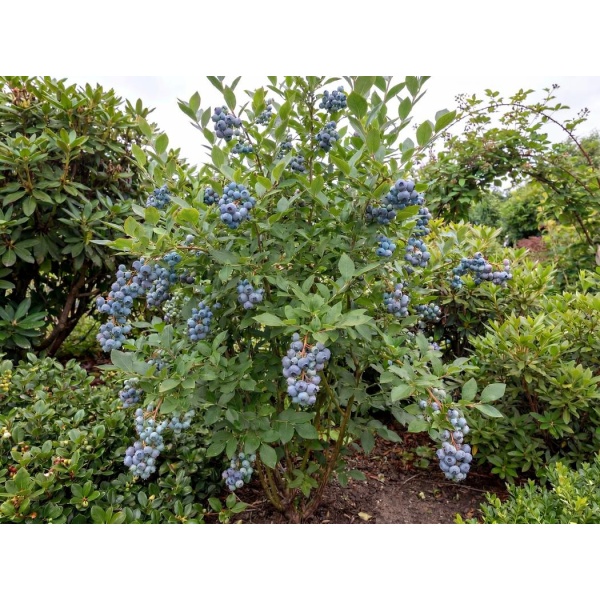
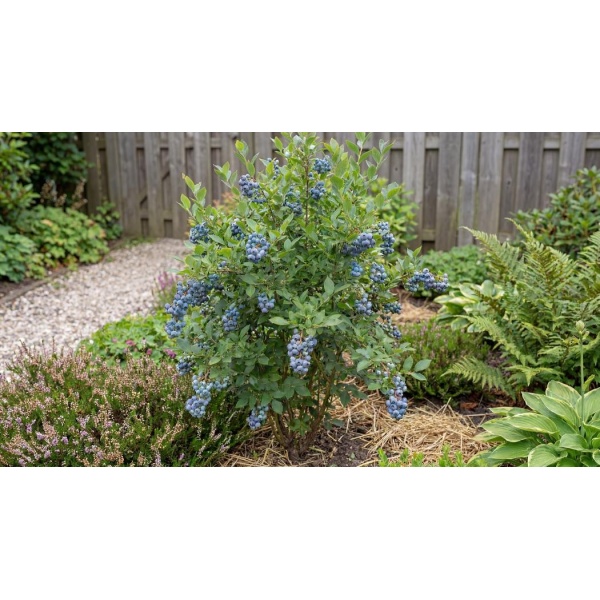
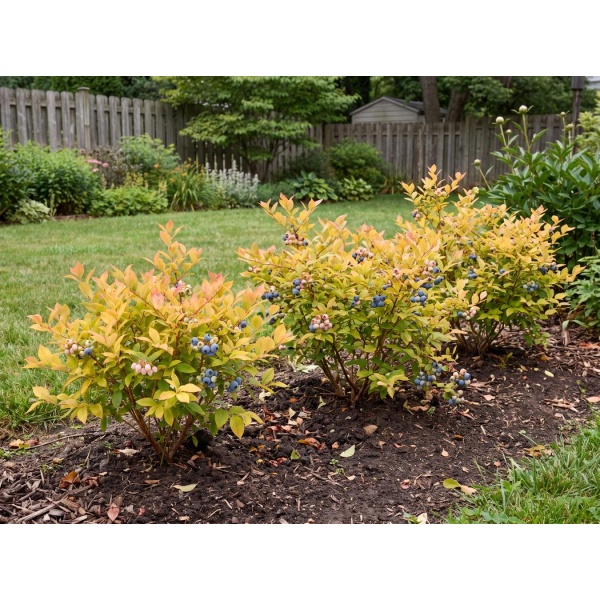
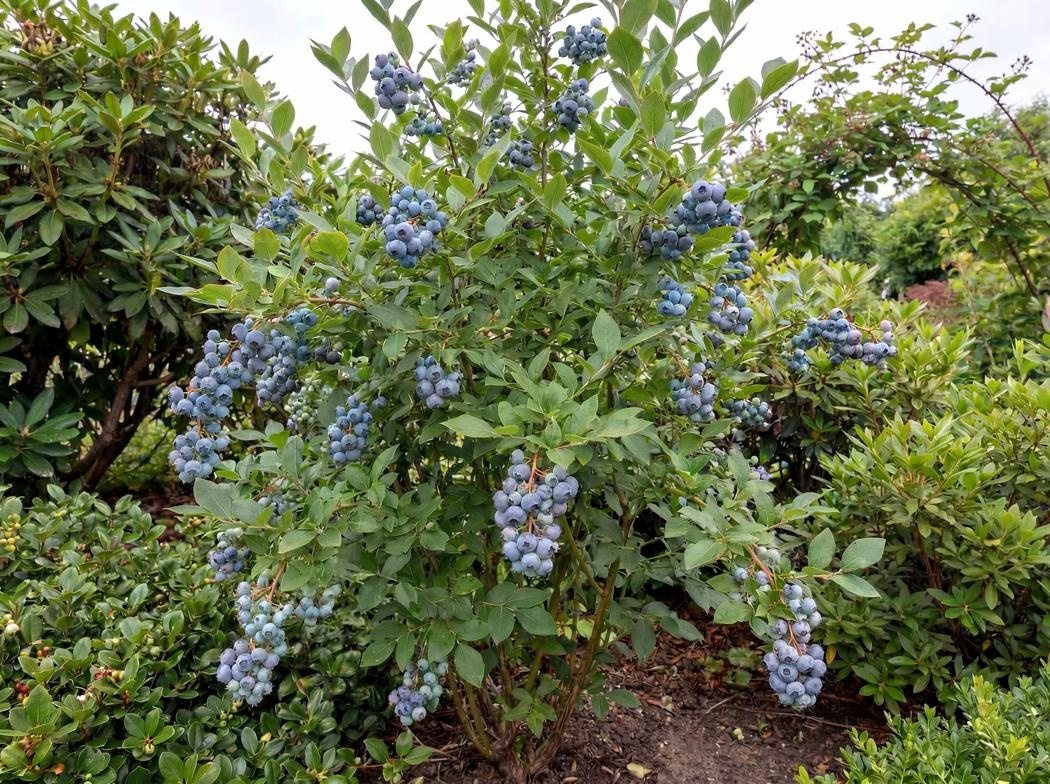
Vaccinium corymbosum Jersey is a vigorous upright highbush blueberry with white spring flowers, sweet blue summer fruit, and orange-red fall foliage.
- Description
- Additional information
Description
Vaccinium corymbosum Jersey is a vigorous upright deciduous highbush blueberry with small dark-green leaves, white late-spring flowers, and loose clusters of sweet small to medium blue berries in mid to late summer. Its foliage turns orange-red in fall.
Grow it in full sun or partial shade in sheltered, humus-rich, strongly acidic soil that remains evenly moist but well drained. Although capable of setting fruit, Jersey benefits from a compatible late-flowering highbush cultivar to improve berry size and yield.
Additional information
| Height | 5 ft – 8 ft |
|---|---|
| Spread | 5 ft – 8 ft |
| Flowering months | April, May |
| Synonyms | Vaccinium corymbosum 'Jersey', Vaccinium Jersey |
| Family | Ericaceae |
| Hazardous | unknown |
| Variegated | no |
| Color flower spring | White |
| Aspect | East, South, West |
| Foliage | Deciduous |
| Habit | Bushy, Columnar upright |
| Moisture | Moist but Well Drained |
| Ph | Acid |
| Position | Full sun, Partial shade |
| Shape | Upright |
| Suggest planting location | Hedges and screening plants, Cottage and informal gardens, Wildlife friendly gardens, Vegetable Garden |
| Type | Fruit |
| Use for | Bird-Friendly, Pollinator-Friendly, Edible |
| Years to max height | 10 |
| Drought resistance | no |
| Soil | Loam, Sand |
| Harvest in | 7, 8 |
| Local names | Jersey Blueberry, Jersey Northern Highbush Blueberry |
| Blomidon Item No | MO23014549, VACCOJ0002G, VACCOJ0005G, 201700938, 201817632, 201708394, 14086, 73373 |
| Cultivation | Plant in sheltered, humus-rich, moisture-retentive but well-drained acidic soil in full sun or partial shade. Add a compatible late-flowering highbush cultivar for larger fruit. |
| Propagation | Propagate by softwood cuttings in late spring or semi-ripe cuttings in summer. |
| Pests | Birds, spotted-wing drosophila, aphids, and scale insects may damage fruit or growth. |
| Diseases | Mummy berry, botrytis, powdery mildew, leaf spots, canker, and root rot may occur. |
| Pruning | Prune in late winter, removing dead or weak growth and renewing one or two of the oldest canes at ground level on mature bushes. |
| Watering instructions | Keep shallow roots evenly moist but drained, especially as berries develop. |
| Sunlight instructions | Grow in full sun or partial shade in a sheltered position. |