
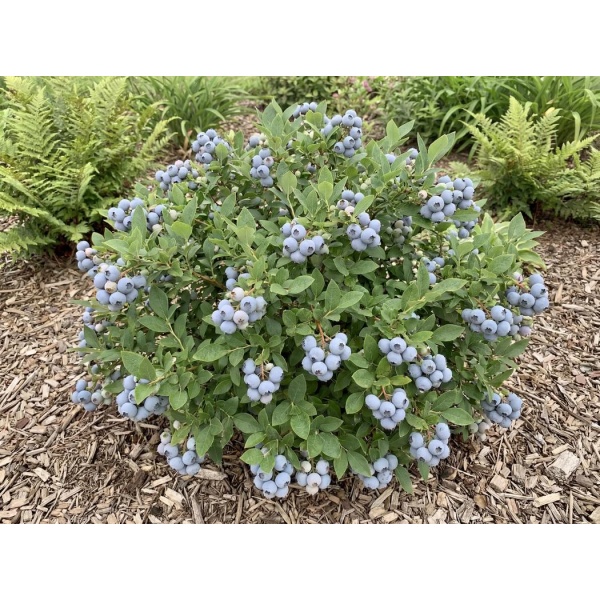
Vaccinium corymbosum ‘Northland’
$49.99
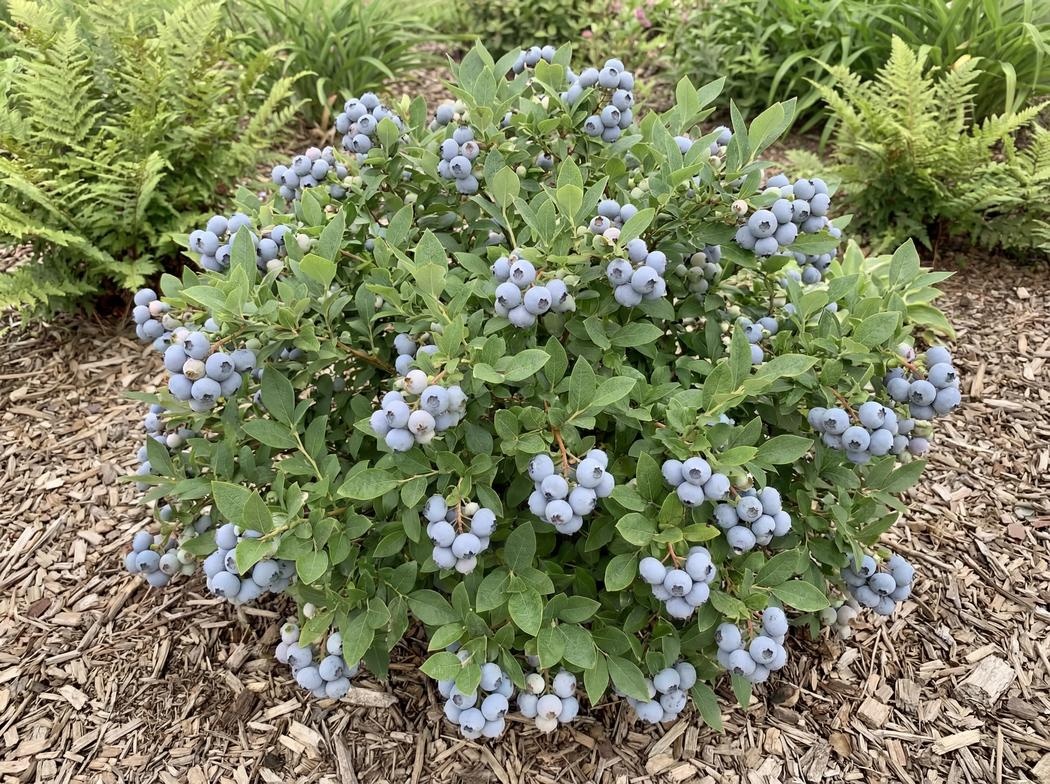
Sweet early-summer berries and vivid fall foliage make Vaccinium corymbosum Northland a compact, cold-hardy choice for edible hedges and containers.
- Description
- Additional information
Description
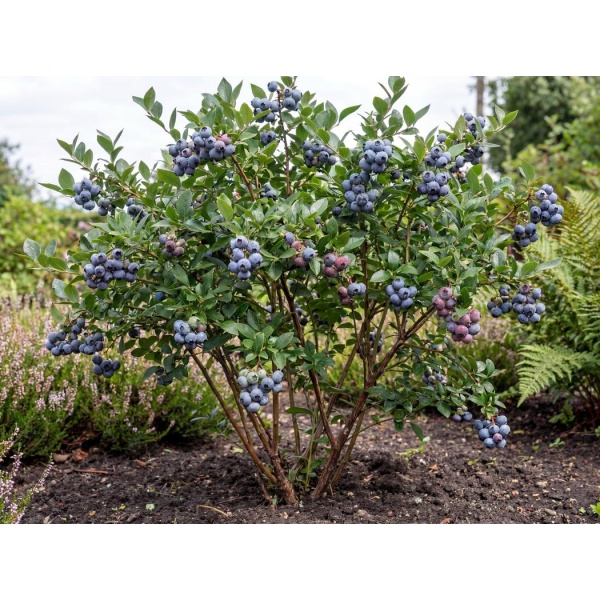
Sweet blue berries arrive in early summer on Vaccinium corymbosum Northland, a compact, spreading shrub that also brings white spring flowers and bright fall foliage to edible gardens.
Plant it in acidic, organically rich soil with steady moisture and good drainage. Full sun gives the best crop, while partial shade is also suitable. A compatible blueberry nearby can improve berry size and yield.
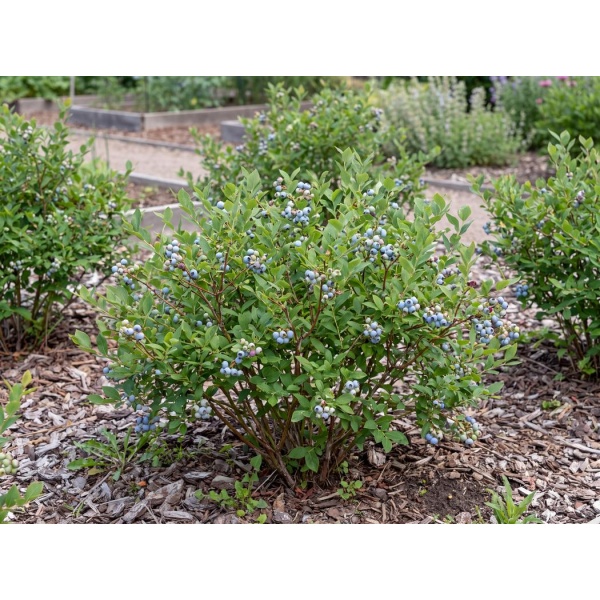
Its manageable size works well in a fruiting hedge, mixed shrub border, or large patio container. Mulch over the shallow roots, water regularly, and protect ripening fruit from birds when needed.
Additional information
| Height | 3 ft – 4 ft |
|---|---|
| Spread | 4 ft – 5 ft |
| Flowering months | May |
| Synonyms | Vaccinium corymbosum 'Northland', Vaccinium Northland |
| Family | Ericaceae |
| Hazardous | unknown |
| Variegated | unknown |
| Color flower spring | White |
| Aspect | East, South, West |
| Foliage | Deciduous |
| Habit | Bushy |
| Moisture | Moist but Well Drained |
| Ph | Acid |
| Position | Full sun, Partial shade |
| Shape | Spreading |
| Suggest planting location | Flowering borders, Patio and container use, Hedges and screening plants, Edible fruit plants, Wildlife friendly gardens |
| Type | Fruit |
| Use for | Hedge, Container Planting, Edible |
| Years to max height | 10 |
| Soil | Loam, Sand |
| Harvest in | 6 |
| Local names | Highbush blueberry, Half-high blueberry |
| Blomidon Item No | 120862, 120863, 104350, 110569, 104486, MO23083226, VACCONL0002G, 100-4672, 100-9087, 202025239, 201817633 |
| Propagation | Take softwood cuttings in late spring or semi-ripe cuttings in early summer, then keep them evenly moist while they root. |
| Pests | Birds, blueberry maggot, cherry fruit worm, spotted wing drosophila, and vine weevil larvae may cause damage. |
| Diseases | Potential problems include root rot, anthracnose, cane cankers, mildew, botrytis, mummy berry, and chlorosis in alkaline soil. |
| Pruning | Prune established plants as needed in late winter, removing dead or weak growth and thinning older stems before new growth starts. |
| Watering instructions | Water deeply to keep the root zone moist but never saturated. |
| Sunlight instructions | Grow in full sun or partial shade on an east, south, or west aspect. |
| Common Name | Northland Blueberry |