
Syringa vulgaris President Grevy
$54.99
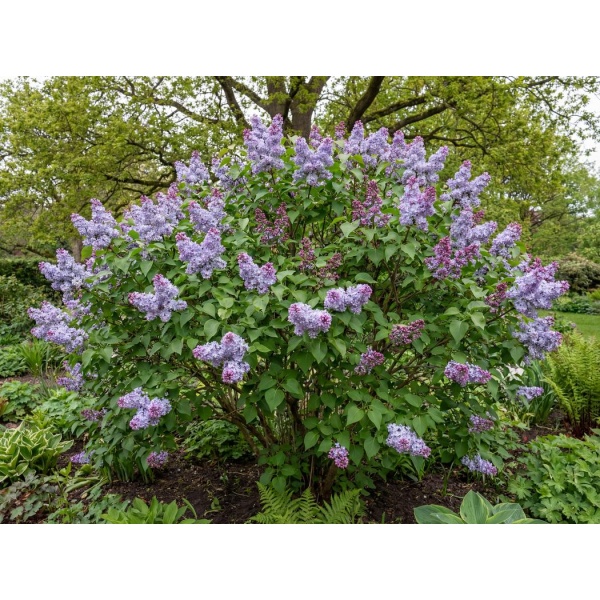
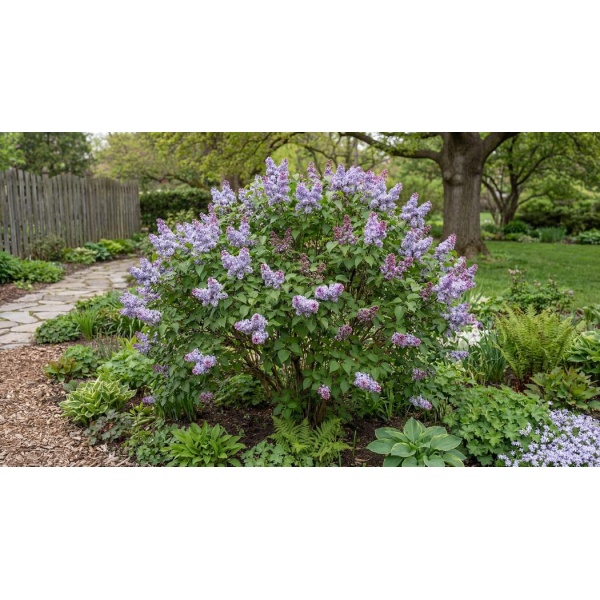
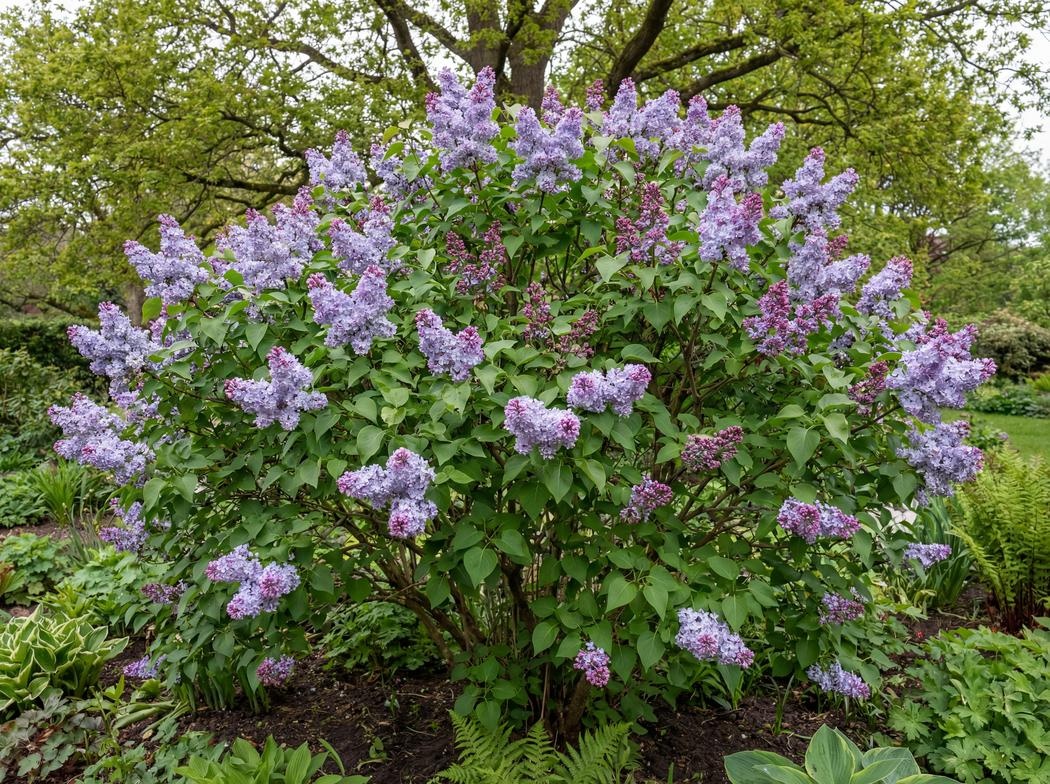
Double, highly fragrant lavender-blue panicles make Syringa vulgaris Président Grévy a commanding late-spring shrub for sunny borders and flowering hedges.
- Description
- Additional information
Description
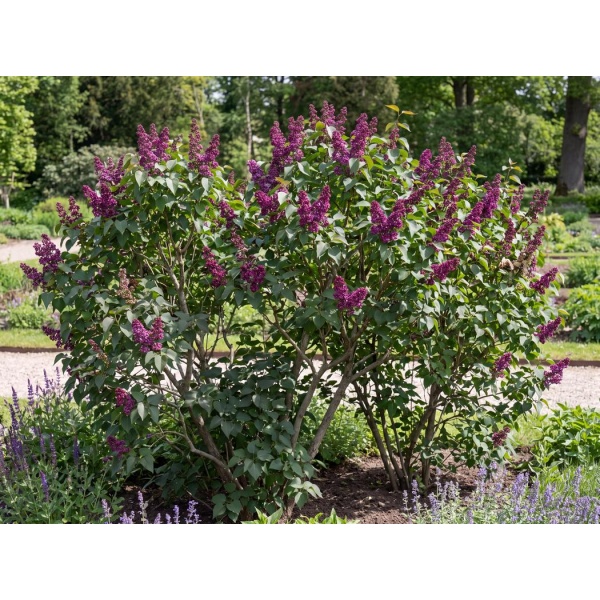
Immense panicles of double, highly fragrant lavender-blue flowers make Syringa vulgaris Président Grévy a vivid late-spring focal shrub. Deep violet buds open above green, heart-shaped leaves on an upright, rounded plant that matures about 3 to 3.6 meters tall.
Plant this deciduous lilac in full sun and fertile, humus-rich, moist but well-drained neutral to alkaline soil. It suits mixed borders, flowering hedges, screens, and cutting gardens. Prune immediately after flowering, remove spent blooms and unwanted suckers, and maintain open airflow.
Additional information
| Height | 10 ft – 12 ft |
|---|---|
| Spread | 7 ft – 8 ft |
| Flowering months | May |
| Synonyms | Syringa President Grevy, Syringa vulgaris 'President Grevy', Syringa vulgaris President Grevy |
| Family | Oleaceae |
| Hazardous | unknown |
| Variegated | no |
| Color flower spring | Purple, Blue |
| Foliage | Deciduous |
| Habit | Bushy |
| Moisture | Moist but Well Drained |
| Ph | Alkaline, Neutral |
| Position | Full sun, Partial shade |
| Scent | Fragrant |
| Shape | Round, Upright |
| Suggest planting location | Urban and courtyard gardens, Flowering borders, Cut flower use, Hedges and screening plants, Cottage and informal gardens |
| Type | Shrub |
| Use for | Hedge, Cutting Garden, Sensory |
| Drought resistance | moderate |
| Cultivation | Plant in full sun to partial shade in fertile, humus-rich, moist but well-drained neutral to alkaline soil. Prune immediately after flowering. |
| Soil | Chalk, Clay, Loam, Sand |
| Local names | President Grevy Lilac, French Lilac |
| Blomidon Item No | 121014, 121015, 140421, 108902, 113751, 104798, MO23011267, SYRVUPG0002G, SYRVUPG0003G, 79339, 202042996 |
| Usps | |
| Propagation | Propagate by softwood cuttings or layering in early summer; graft in winter or chip-bud in summer. |
| Pests | Watch for lilac leaf miners, thrips, borers, scale insects, and caterpillars. |
| Diseases | Powdery mildew, lilac blight, leaf spots, wilts, ringspot virus, and honey fungus may occur. |
| Pruning | Prune immediately after flowering; remove faded flowers and unwanted root suckers. |
| Watering instructions | Keep newly planted shrubs watered during dry spells; established plants need water mainly in exceptionally dry weather. |
| Sunlight instructions | Plant in full sun for the best flowering; light partial shade is tolerated. |