
Lonicera caerulea Honey Bee

$43.99
Lonicera caerulea Honey Bee bears tart-sweet blue berries that cling well for a flexible early-summer harvest and pollinates compatible haskaps.
- Description
- Additional information
Description
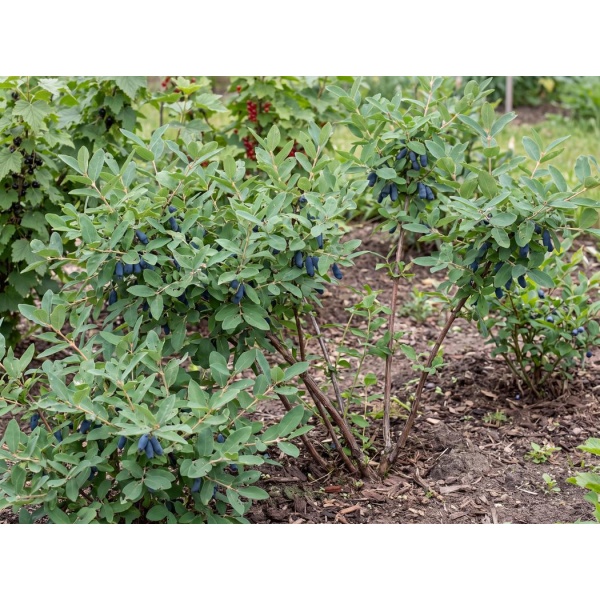
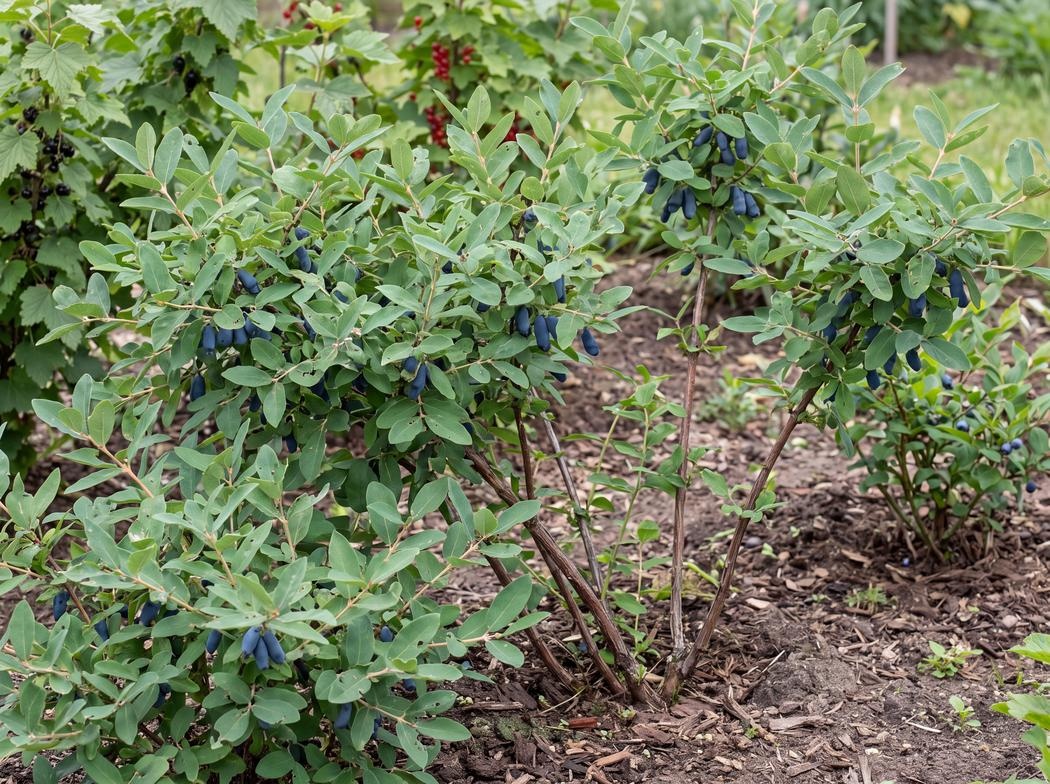
Lonicera caerulea Honey Bee forms a vigorous, upright dome of blue-green foliage and carries long blue berries that remain firmly attached after ripening. The tart-sweet crop is useful for juice, jelly, or wine, while the fruit’s strong hold gives gardeners a wider hand-picking window.
This deciduous shrub also supplies compatible pollen for several haskap cultivars, but it cannot fertilize itself. Plant a different, unrelated honeyberry that blooms at the same time nearby to obtain fruit on both shrubs. Grow it in sun or partial shade in moist, well-drained soil.
Additional information
| Height | 150 cm – 150 cm |
|---|---|
| Spread | 150 cm – 150 cm |
| Flowering months | April |
| Synonyms | Lonicera caerulea Honeybee, Lonicera caerulea var. kamtschatica Honey Bee, Lonicera caerulea var. kamtschatica Myberry Bee |
| Family | Caprifoliaceae |
| Propagation | Propagate by semi-hardwood or hardwood cuttings. |
| Pests | Aphids, thrips, and glasshouse whitefly may occur. |
| Diseases | Honey Bee is highly resistant to leaf mildew. |
| Pruning | Once established, remove weak or straggly growth and up to one-fifth of older stems in early to midsummer. |
| Hazardous | unknown |
| Variegated | unknown |
| Watering instructions | Keep soil moist but well drained, especially during fruit development. |
| Sunlight instructions | Grow in full sun or partial shade with east, south, or west exposure. |
| Aspect | East, South, West |
| Foliage | Deciduous |
| Habit | Bushy |
| Moisture | Moist but Well Drained |
| Ph | Acid, Neutral |
| Position | Full sun, Partial shade |
| Shape | Dome, Upright |
| Suggest planting location | Patio and container use, Hedges and screening plants, Edible fruit plants, Vegetable Garden |
| Type | Shrub |
| Use for | Hedge, Container Planting, Edible |
| Years to max height | 5 |
| Drought resistance | moderate |
| Cultivation | Plant in full sun or partial shade in moist, well-drained soil. Add a different compatible honeyberry nearby for cross-pollination and fruit set. Water during dry spells while fruit develops. |
| Soil | All types |
| Harvest in | 6, 7 |
| Local names | Haskap, Honeyberry |
| Blomidon Item No | LONCAHBL0002G |
| Usps | Long blue berries remain firmly attached after ripening., It pollinates compatible haskaps while producing its own useful crop. |
| Common Name | Honeybee® Honeyberry |