
Pennisetum alopecuroides ‘Little Bunny’

$28.99
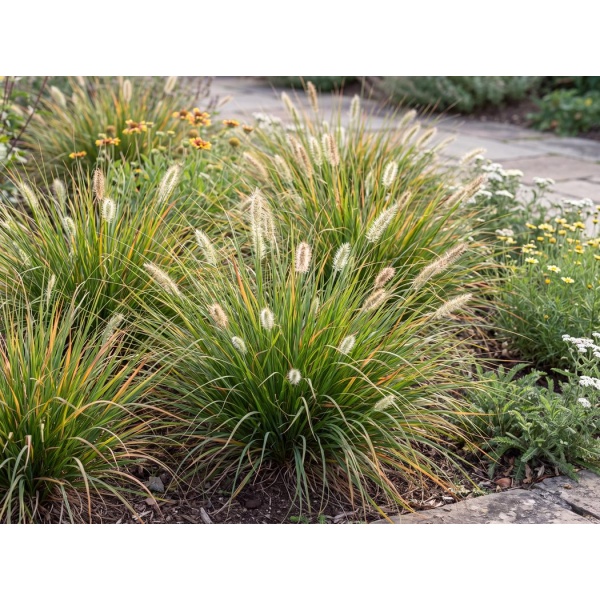
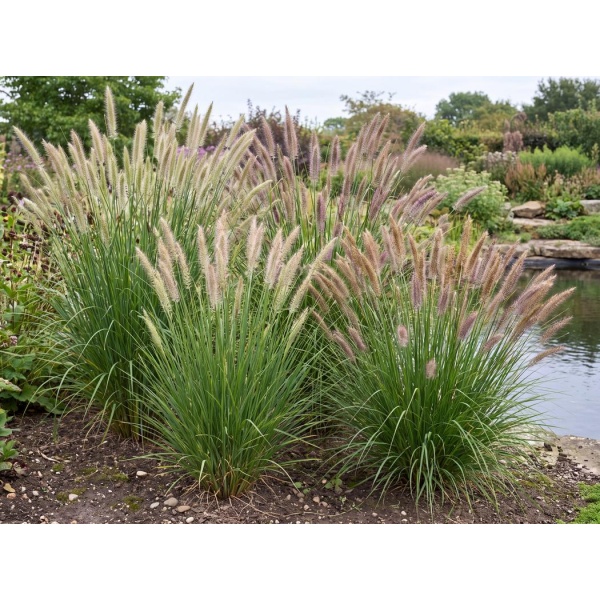
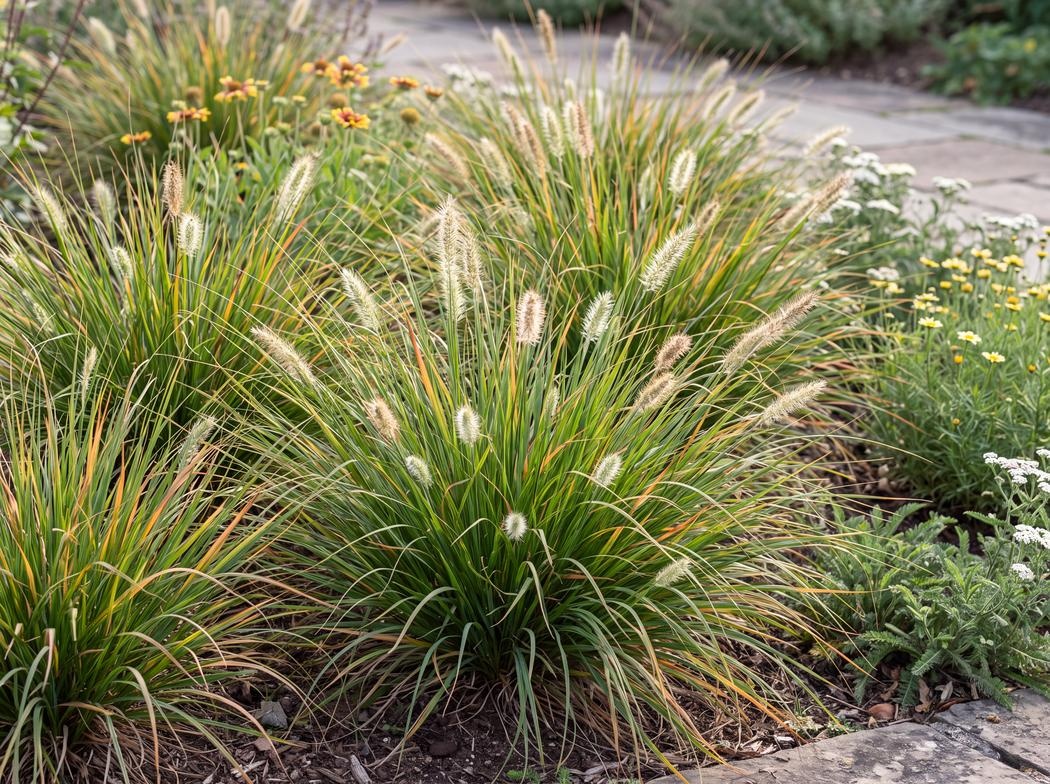
Cenchrus alopecuroides Little Bunny forms a low fountain of green leaves with tiny cream-to-buff bottlebrush plumes from summer into fall.
- Description
- Additional information
Description
A compact fountain of fine green leaves lets Cenchrus alopecuroides Little Bunny bring ornamental-grass texture to small borders. Short, fluffy cream-to-buff plumes appear from midsummer into fall, while the foliage changes to yellow and russet.
Place it in full sun in a border, rock garden, or container with well-drained soil. Water regularly while new roots establish, then reduce frequency because established plants tolerate drought. Cut dead foliage back in late winter or early spring before fresh shoots appear.
Additional information
| Height | 10 in – 1 ft |
|---|---|
| Spread | 1 ft – 2 ft |
| Flowering months | July, August, September, October |
| Synonyms | Cenchrus purpurascens Little Bunny, Pennisetum alopecuroides 'Little Bunny', Pennisetum alopecuroides Little Bunny, Pennisetum Little Bunny |
| Family | Poaceae |
| Hazardous | unknown |
| Variegated | no |
| Color flower autumn | White, Brown, Cream |
| Color flower summer | Green, White, Cream |
| Color flower winter | Brown, Cream |
| Aspect | East, South, West |
| Foliage | Deciduous |
| Habit | Clump-former |
| Moisture | Moist but Well Drained |
| Ph | Acid, Alkaline, Neutral |
| Position | Full sun |
| Shape | Mound-forming, Arching |
| Suggest planting location | Urban and courtyard gardens, Flowering borders, Patio and container use, Cottage and informal gardens, Rock and alpine gardens |
| Type | Grass |
| Use for | Deer resistant, Low maintenance, Container Planting |
| Years to max height | 2 |
| Drought resistance | yes |
| Soil | Chalk, Clay, Loam, Sand |
| Local names | Little Bunny Dwarf Fountain Grass, Miniature Fountain Grass, Chinese Fountain Grass |
| Usps | Fluffy buff plumes top a low fountain mound from summer into fall., The compact mound fits borders, rock gardens, and containers., Give the clump full sun and moist but well-drained soil. |
| Propagation | Divide established clumps in spring or early summer. |
| Pests | Aphids, mealybugs, spider mites, spittlebugs, and chinch bugs may occasionally occur. |
| Diseases | Leaf spot may occur. |
| Pruning | Cut dead foliage to the ground in late winter or early spring before new shoots appear. |
| Watering instructions | Water regularly to establish, then reduce frequency as roots settle. |
| Sunlight instructions | Give full sun in a sheltered east-, south-, or west-facing site. |